EN
EN
News
-
How Do Hatcheries Ensure High-Quality Chick Production Consistently?
Modern commercial hatcheries face increasing pressure to deliver consistent, high-quality chick production while maintaining operational efficiency and profitability. The success of any hatchery operation depends on a complex interplay of environment...
Dec. 22. 2025 -
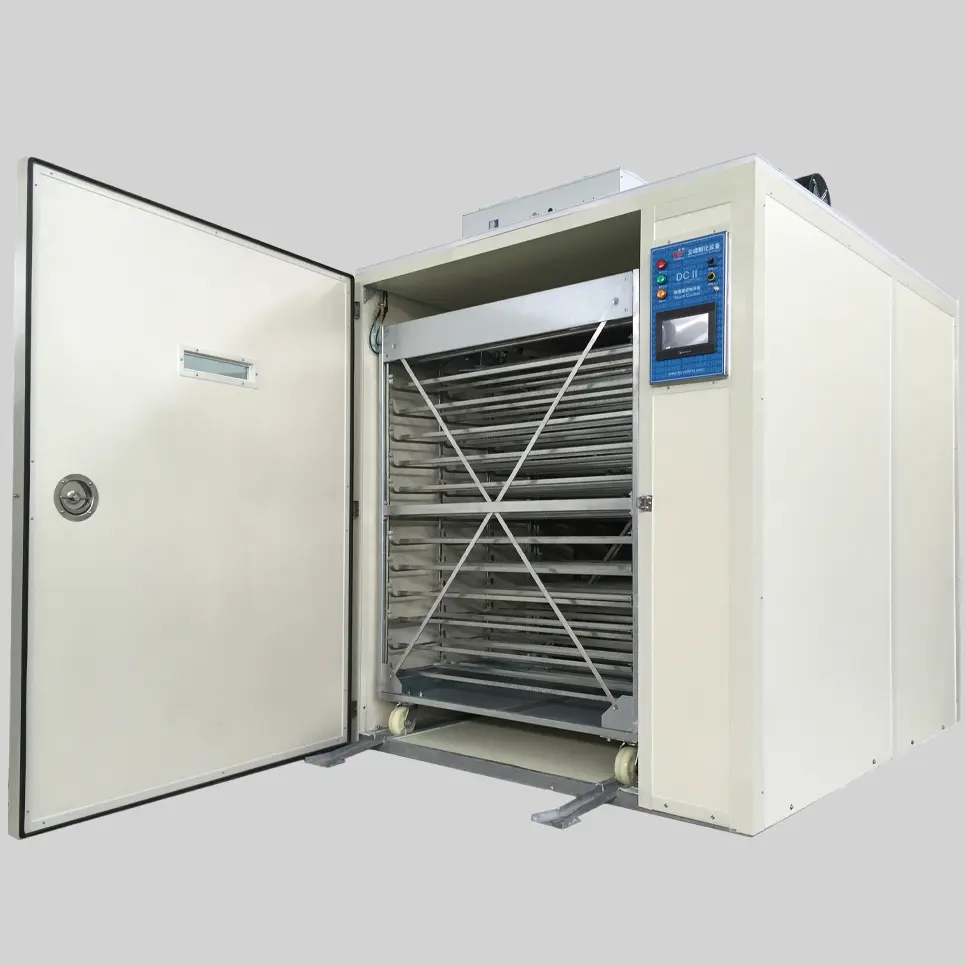
How Does an Automatic Incubator Support Higher Hatch Rates in Industrial Settings?
Industrial poultry operations face mounting pressure to maximize productivity while maintaining consistent quality standards. The implementation of advanced incubation technology has become crucial for commercial hatcheries seeking to optimize their ...
Dec. 16. 2025 -
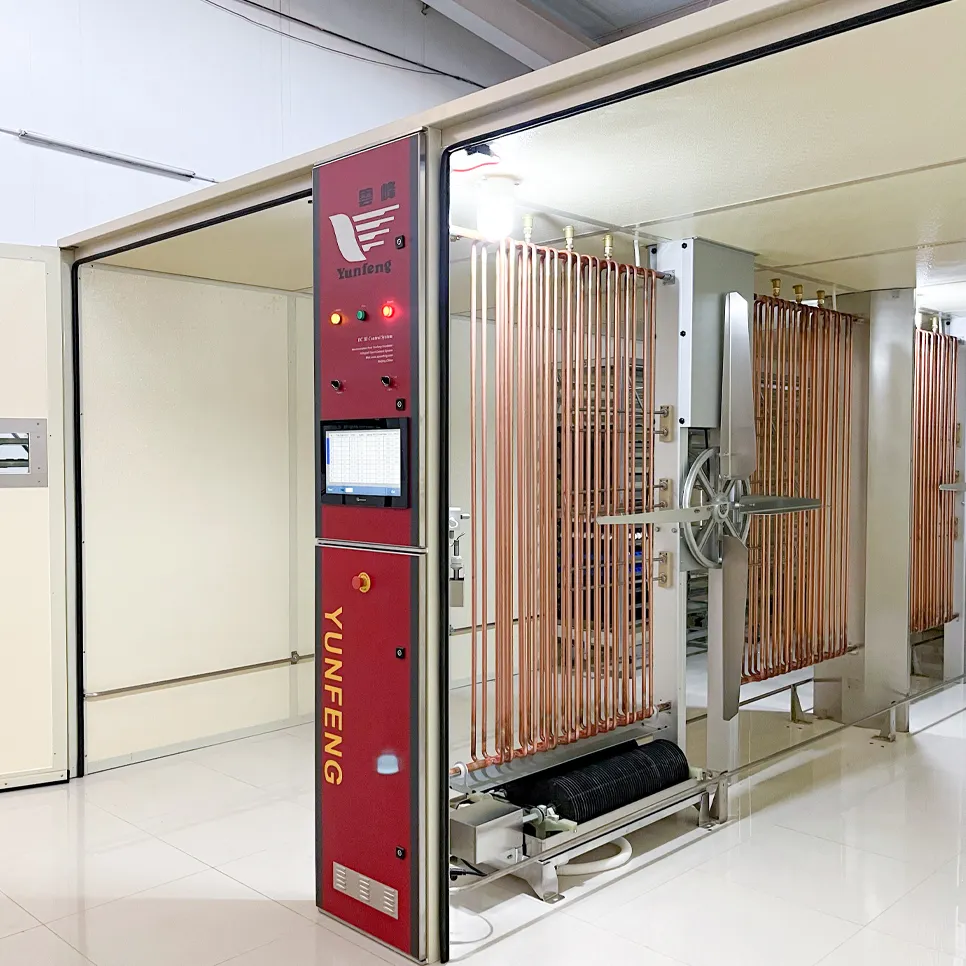
How Do Automatic Incubators Ensure Consistent Temperature and Humidity Control?
Modern poultry breeding and laboratory research rely heavily on precise environmental control systems to achieve optimal hatching rates and experimental outcomes. Automatic incubators have revolutionized the industry by providing sophisticated monito...
Dec. 10. 2025 -

Can Automatic Incubators Reduce Labor Costs in Large-Scale Operations?
Large-scale poultry operations face mounting pressure to optimize efficiency while managing rising labor costs. Traditional manual incubation methods require constant monitoring, temperature adjustments, and egg turning, consuming significant human r...
Dec. 04. 2025 -
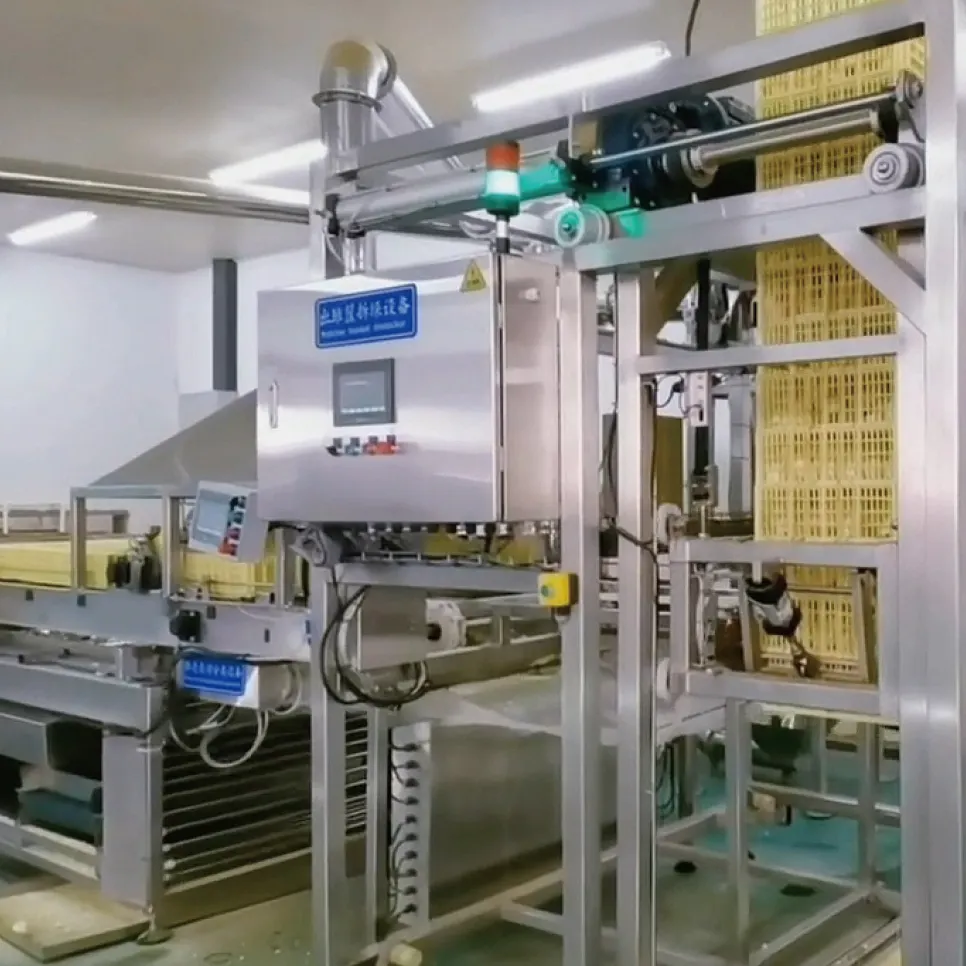
How to Clean and Disinfect a Hen Incubator Between Hatching Cycles?
Maintaining proper hygiene in your hen incubator is crucial for successful hatching cycles and healthy chick development. Between each hatching cycle, thorough cleaning and disinfection protocols help prevent the spread of harmful bacteria, fungi, ...
Nov. 28. 2025 -
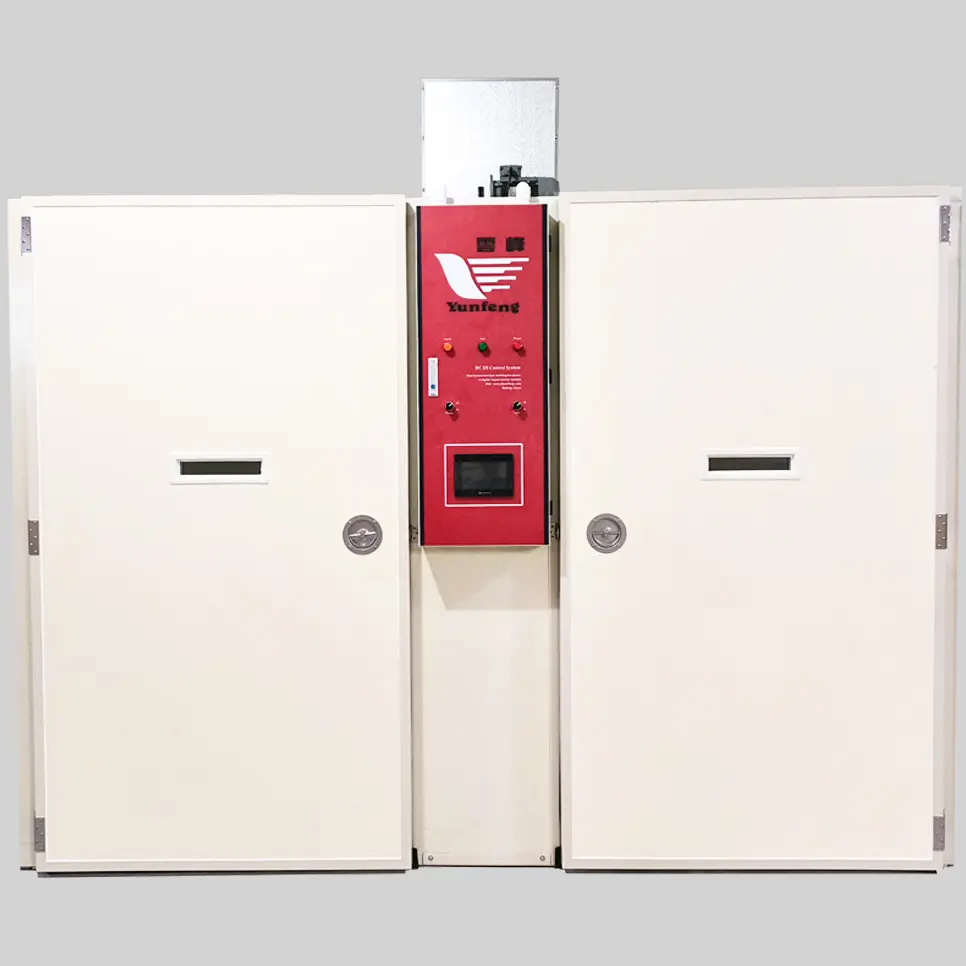
Why Is Humidity Regulation Important for Hen Incubator Success?
Successful poultry breeding depends heavily on maintaining precise environmental conditions during the incubation process. Temperature and humidity control represent the most critical factors that determine hatching success rates in commercial and ...
Nov. 24. 2025