EN
EN

How Does an Automatic Incubator Support Higher Hatch Rates in Industrial Settings?
Industrial poultry operations face mounting pressure to maximize productivity while maintaining consistent quality standards. The implementation of advanced incubation technology has become crucial for commercial hatcheries seeking to optimize their output and reduce operational costs. Modern automatic incubator systems represent a significant advancement in controlled environment technology, offering precise parameter management that directly impacts hatch success rates. These sophisticated systems eliminate many variables that traditionally challenged manual incubation processes, delivering measurable improvements in both efficiency and profitability for large-scale operations.
Temperature Control Excellence in Modern Incubation Systems
Precision Thermal Management
Temperature stability forms the foundation of successful embryonic development, requiring maintenance within extremely narrow tolerances throughout the entire incubation cycle. Advanced automatic incubator systems utilize sophisticated sensor networks and microprocessor-controlled heating elements to maintain temperature variations of less than 0.1 degrees Celsius. This level of precision ensures optimal cellular development and prevents the thermal stress that can significantly reduce hatch rates in commercial operations.
Industrial-grade incubation systems incorporate multiple temperature zones with independent control capabilities, allowing for precise management of different developmental stages. The integration of thermal mapping technology enables operators to identify and eliminate hot spots or cold zones that could compromise embryonic viability. Real-time monitoring systems provide continuous feedback, automatically adjusting heating elements to compensate for external environmental changes or internal load variations.
Adaptive Temperature Programming
Modern systems feature programmable temperature profiles that accommodate the specific requirements of different species and breeding programs. These profiles automatically adjust temperature setpoints throughout the incubation period, reflecting the changing metabolic needs of developing embryos. The ability to customize temperature curves based on genetic lines or environmental conditions allows hatcheries to optimize outcomes for their specific production requirements.
Advanced predictive algorithms analyze historical performance data to refine temperature management strategies continuously. Machine learning capabilities enable these systems to adapt to seasonal variations, facility-specific conditions, and other factors that influence incubation success. This intelligent approach to temperature control represents a significant advancement over traditional static setpoint systems.
Humidity Management and Moisture Control Systems
Precise Moisture Regulation
Humidity control plays a critical role in embryonic development, affecting cellular hydration, gas exchange efficiency, and the timing of internal pipping processes. automatic incubator systems employ sophisticated humidification and dehumidification technologies to maintain optimal moisture levels throughout the incubation cycle. These systems utilize ultrasonic humidifiers, steam injection systems, and precision dehumidification units to achieve the exact humidity profiles required for maximum hatch rates.
The integration of multiple humidity sensors throughout the incubation chamber provides comprehensive monitoring coverage, ensuring uniform moisture distribution. Advanced control algorithms compensate for the natural moisture production of developing embryos, adjusting external humidity inputs to maintain consistent conditions. This dynamic approach prevents the humidity fluctuations that can lead to developmental abnormalities or reduced viability.
Automated Moisture Scheduling
Professional incubation systems feature programmable humidity schedules that automatically adjust moisture levels based on incubation stage and species-specific requirements. These schedules typically include initial humidity levels for early development, reduced moisture during mid-incubation, and increased humidity during the hatching phase. The precision of these automated systems eliminates the inconsistencies associated with manual humidity management.
Water quality management systems ensure that humidity generation utilizes purified water, preventing the introduction of contaminants that could affect embryonic health. Integrated filtration and sterilization systems maintain water quality standards while automated fill systems ensure continuous operation without manual intervention. These features contribute significantly to the reliability and consistency of industrial incubation operations.
Advanced Ventilation and Air Quality Management
Optimized Airflow Patterns
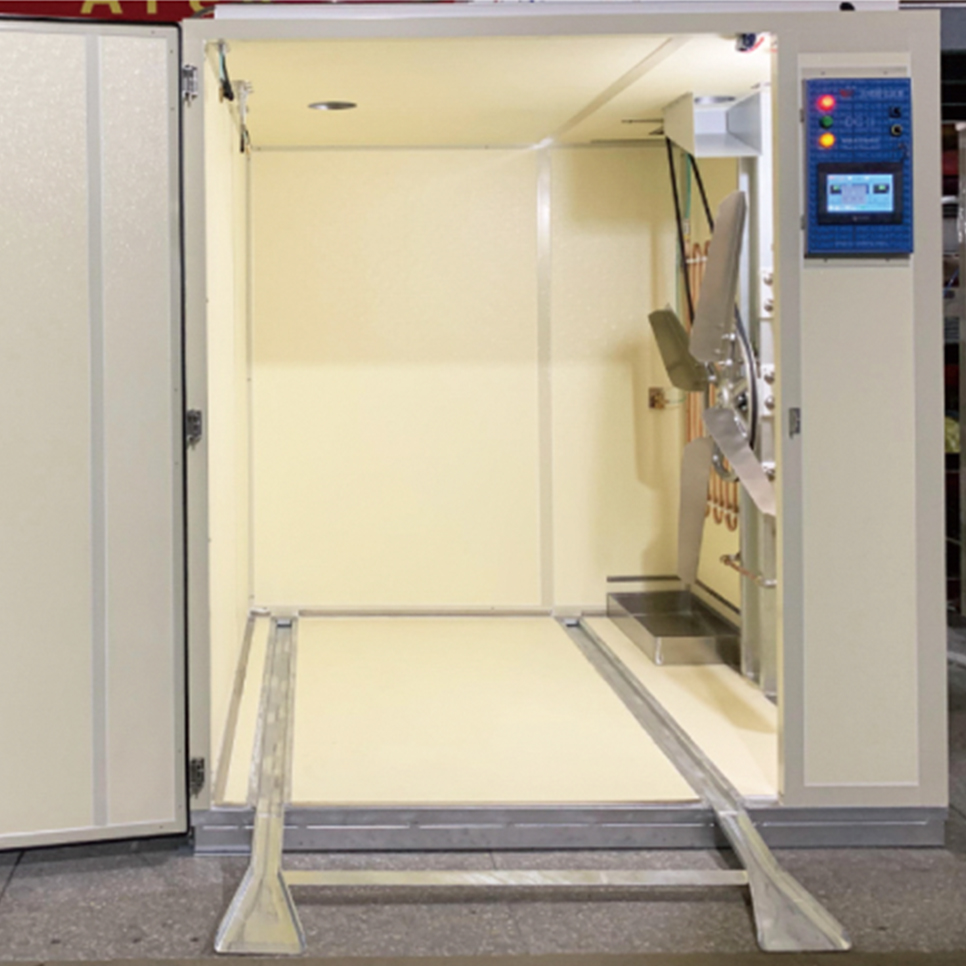
Proper ventilation ensures adequate oxygen supply and carbon dioxide removal while maintaining uniform environmental conditions throughout the incubation chamber. Modern automatic incubator systems incorporate computational fluid dynamics principles in their design, creating optimal airflow patterns that eliminate dead zones and ensure consistent gas exchange. Variable-speed fans and motorized dampers provide precise control over air circulation rates and distribution patterns.
The integration of multiple air quality sensors monitors oxygen and carbon dioxide levels continuously, automatically adjusting ventilation rates to maintain optimal atmospheric conditions. This real-time monitoring prevents the accumulation of harmful gases that could compromise embryonic development or hatch success. Advanced systems also incorporate air filtration technologies to prevent the introduction of airborne contaminants.
Intelligent Ventilation Control
Sophisticated control algorithms analyze multiple environmental parameters to optimize ventilation strategies for current conditions and embryonic developmental stages. These systems automatically increase ventilation rates during periods of high metabolic activity while reducing air exchange during sensitive developmental phases. The ability to fine-tune ventilation parameters based on real-time feedback significantly improves incubation outcomes.
Energy recovery systems capture waste heat from exhaust air to pre-condition incoming fresh air, improving overall system efficiency while maintaining optimal environmental conditions. This approach reduces operational costs while ensuring consistent air quality throughout the incubation process. The integration of these technologies demonstrates the sophisticated engineering that characterizes modern industrial incubation systems.
Automated Egg Turning and Positioning Systems
Mechanical Turning Precision
Proper egg orientation and regular turning prevent embryonic adhesion to shell membranes while promoting optimal development patterns. Automated turning systems eliminate the labor requirements and potential inconsistencies associated with manual turning operations. These systems provide precise angular positioning with programmable turning schedules that accommodate species-specific requirements and developmental stages.
Modern turning mechanisms utilize gentle, gradual movements that minimize stress on developing embryos while ensuring complete positional changes. The integration of position sensors confirms proper turning execution while safety systems prevent over-rotation or mechanical damage. These features ensure reliable operation throughout extended incubation cycles without manual intervention.
Customizable Turning Programs
Advanced incubation systems offer fully programmable turning schedules with variable angles, frequencies, and timing parameters. These programs can be customized based on species requirements, genetic lines, or specific production objectives. The ability to modify turning parameters during incubation allows operators to respond to changing developmental needs or optimize outcomes based on performance data.
Safety features prevent turning operations during critical developmental periods while ensuring consistent execution throughout the majority of the incubation cycle. Backup power systems maintain turning operations during power interruptions, preventing the developmental problems that can result from extended static positioning. These comprehensive safety measures contribute significantly to the reliability of automated incubation operations.
Monitoring and Data Management Capabilities
Real-Time Performance Tracking
Comprehensive monitoring systems provide continuous oversight of all critical incubation parameters, generating detailed performance records for analysis and optimization purposes. These systems track temperature, humidity, ventilation, and turning operations while maintaining historical databases for trend analysis. The integration of alarm systems ensures immediate notification of any deviations from optimal conditions.
Advanced data logging capabilities enable detailed analysis of incubation cycles, facilitating the identification of optimization opportunities and process improvements. Automated report generation provides management with essential performance metrics while supporting quality assurance and regulatory compliance requirements. The availability of comprehensive data supports evidence-based decision making and continuous improvement initiatives.
Predictive Analytics and Optimization
Machine learning algorithms analyze historical performance data to identify patterns and correlations that influence hatch success rates. These analytical capabilities enable predictive maintenance scheduling, optimal parameter selection, and early identification of potential issues. The integration of artificial intelligence technologies represents the cutting edge of incubation system development.
Remote monitoring capabilities allow operators to oversee incubation operations from anywhere, providing flexibility and responsiveness that traditional systems cannot match. Cloud-based data storage and analysis platforms enable comparison with industry benchmarks and best practices from other facilities. These advanced capabilities demonstrate the sophisticated technology integration that characterizes modern automatic incubator systems.
Energy Efficiency and Operational Cost Benefits
Optimized Resource Utilization
Modern automatic incubator systems incorporate energy-efficient components and intelligent control strategies that significantly reduce operational costs compared to traditional incubation methods. Variable-speed motors, high-efficiency heating elements, and advanced insulation systems minimize energy consumption while maintaining optimal environmental conditions. These efficiency improvements contribute directly to improved profitability in commercial operations.
Demand-based control systems adjust energy consumption based on actual requirements rather than operating at fixed capacity levels. This intelligent approach reduces waste while ensuring adequate capacity for changing conditions. The integration of renewable energy sources and energy storage systems further enhances the sustainability and cost-effectiveness of modern incubation operations.
Reduced Labor Requirements
Automation eliminates many manual tasks associated with traditional incubation methods, reducing labor costs while improving consistency and reliability. Automated systems operate continuously without breaks or shift changes, maintaining optimal conditions throughout the entire incubation cycle. This consistency contributes significantly to improved hatch rates and reduced operational costs.
The reduction in manual intervention also minimizes the risk of human error and contamination, improving overall biosecurity and product quality. Staff can focus on higher-value activities such as quality control, maintenance, and process optimization rather than routine monitoring and adjustment tasks. This reallocation of human resources improves overall operational efficiency and competitiveness.
FAQ
What maintenance requirements are associated with automatic incubator systems?
Professional automatic incubator systems require regular maintenance including sensor calibration, filter replacement, and cleaning protocols to ensure optimal performance. Most systems include predictive maintenance features that schedule service based on actual operating conditions rather than fixed time intervals. Proper maintenance typically involves weekly cleaning cycles, monthly calibration checks, and annual comprehensive service by qualified technicians. The integration of remote monitoring capabilities allows many maintenance issues to be identified and addressed before they impact incubation operations.
How do automatic systems compare to manual incubation methods in terms of hatch rates?
Studies consistently demonstrate that automatic incubator systems achieve 10-15% higher hatch rates compared to manual operations due to improved consistency and precision in environmental control. The elimination of human error factors and the ability to maintain optimal conditions continuously throughout the incubation cycle contribute significantly to these improvements. Additionally, automatic systems reduce the variability between batches, providing more predictable outcomes for production planning and quality control purposes.
What capacity ranges are available for industrial automatic incubator systems?
Industrial automatic incubator systems are available in capacities ranging from several thousand eggs to over 100,000 eggs per unit, with modular designs allowing for expansion as operations grow. The most common commercial sizes range from 10,000 to 50,000 egg capacity, providing optimal balance between efficiency and flexibility for most operations. Larger installations often utilize multiple units to provide redundancy and allow for staged production schedules that maximize facility utilization and market responsiveness.
How do these systems integrate with existing facility infrastructure?
Modern automatic incubator systems are designed for integration with existing electrical, HVAC, and data management infrastructure through standardized interfaces and communication protocols. Most systems require three-phase electrical power, compressed air, and water connections, with optional integration to facility automation systems for centralized monitoring and control. Professional installation teams work with facility engineers to ensure proper integration while minimizing disruption to ongoing operations during system commissioning and startup phases.
Industrial poultry operations face mounting pressure to maximize productivity while maintaining consistent quality standards. The implementation of advanced incubation technology has become crucial for commercial hatcheries seeking to optimize their output and reduce operational costs. Modern automatic incubator systems represent a significant advancement in controlled environment technology, offering precise parameter management that directly impacts hatch success rates. These sophisticated systems eliminate many variables that traditionally challenged manual incubation processes, delivering measurable improvements in both efficiency and profitability for large-scale operations.
Temperature Control Excellence in Modern Incubation Systems
Precision Thermal Management
Temperature stability forms the foundation of successful embryonic development, requiring maintenance within extremely narrow tolerances throughout the entire incubation cycle. Advanced automatic incubator systems utilize sophisticated sensor networks and microprocessor-controlled heating elements to maintain temperature variations of less than 0.1 degrees Celsius. This level of precision ensures optimal cellular development and prevents the thermal stress that can significantly reduce hatch rates in commercial operations.
Industrial-grade incubation systems incorporate multiple temperature zones with independent control capabilities, allowing for precise management of different developmental stages. The integration of thermal mapping technology enables operators to identify and eliminate hot spots or cold zones that could compromise embryonic viability. Real-time monitoring systems provide continuous feedback, automatically adjusting heating elements to compensate for external environmental changes or internal load variations.
Adaptive Temperature Programming
Modern systems feature programmable temperature profiles that accommodate the specific requirements of different species and breeding programs. These profiles automatically adjust temperature setpoints throughout the incubation period, reflecting the changing metabolic needs of developing embryos. The ability to customize temperature curves based on genetic lines or environmental conditions allows hatcheries to optimize outcomes for their specific production requirements.
Advanced predictive algorithms analyze historical performance data to refine temperature management strategies continuously. Machine learning capabilities enable these systems to adapt to seasonal variations, facility-specific conditions, and other factors that influence incubation success. This intelligent approach to temperature control represents a significant advancement over traditional static setpoint systems.
Humidity Management and Moisture Control Systems
Precise Moisture Regulation
Humidity control plays a critical role in embryonic development, affecting cellular hydration, gas exchange efficiency, and the timing of internal pipping processes. automatic incubator systems employ sophisticated humidification and dehumidification technologies to maintain optimal moisture levels throughout the incubation cycle. These systems utilize ultrasonic humidifiers, steam injection systems, and precision dehumidification units to achieve the exact humidity profiles required for maximum hatch rates.
The integration of multiple humidity sensors throughout the incubation chamber provides comprehensive monitoring coverage, ensuring uniform moisture distribution. Advanced control algorithms compensate for the natural moisture production of developing embryos, adjusting external humidity inputs to maintain consistent conditions. This dynamic approach prevents the humidity fluctuations that can lead to developmental abnormalities or reduced viability.
Automated Moisture Scheduling
Professional incubation systems feature programmable humidity schedules that automatically adjust moisture levels based on incubation stage and species-specific requirements. These schedules typically include initial humidity levels for early development, reduced moisture during mid-incubation, and increased humidity during the hatching phase. The precision of these automated systems eliminates the inconsistencies associated with manual humidity management.
Water quality management systems ensure that humidity generation utilizes purified water, preventing the introduction of contaminants that could affect embryonic health. Integrated filtration and sterilization systems maintain water quality standards while automated fill systems ensure continuous operation without manual intervention. These features contribute significantly to the reliability and consistency of industrial incubation operations.
Advanced Ventilation and Air Quality Management
Optimized Airflow Patterns
Proper ventilation ensures adequate oxygen supply and carbon dioxide removal while maintaining uniform environmental conditions throughout the incubation chamber. Modern automatic incubator systems incorporate computational fluid dynamics principles in their design, creating optimal airflow patterns that eliminate dead zones and ensure consistent gas exchange. Variable-speed fans and motorized dampers provide precise control over air circulation rates and distribution patterns.
The integration of multiple air quality sensors monitors oxygen and carbon dioxide levels continuously, automatically adjusting ventilation rates to maintain optimal atmospheric conditions. This real-time monitoring prevents the accumulation of harmful gases that could compromise embryonic development or hatch success. Advanced systems also incorporate air filtration technologies to prevent the introduction of airborne contaminants.
Intelligent Ventilation Control
Sophisticated control algorithms analyze multiple environmental parameters to optimize ventilation strategies for current conditions and embryonic developmental stages. These systems automatically increase ventilation rates during periods of high metabolic activity while reducing air exchange during sensitive developmental phases. The ability to fine-tune ventilation parameters based on real-time feedback significantly improves incubation outcomes.
Energy recovery systems capture waste heat from exhaust air to pre-condition incoming fresh air, improving overall system efficiency while maintaining optimal environmental conditions. This approach reduces operational costs while ensuring consistent air quality throughout the incubation process. The integration of these technologies demonstrates the sophisticated engineering that characterizes modern industrial incubation systems.
Automated Egg Turning and Positioning Systems
Mechanical Turning Precision
Proper egg orientation and regular turning prevent embryonic adhesion to shell membranes while promoting optimal development patterns. Automated turning systems eliminate the labor requirements and potential inconsistencies associated with manual turning operations. These systems provide precise angular positioning with programmable turning schedules that accommodate species-specific requirements and developmental stages.
Modern turning mechanisms utilize gentle, gradual movements that minimize stress on developing embryos while ensuring complete positional changes. The integration of position sensors confirms proper turning execution while safety systems prevent over-rotation or mechanical damage. These features ensure reliable operation throughout extended incubation cycles without manual intervention.
Customizable Turning Programs
Advanced incubation systems offer fully programmable turning schedules with variable angles, frequencies, and timing parameters. These programs can be customized based on species requirements, genetic lines, or specific production objectives. The ability to modify turning parameters during incubation allows operators to respond to changing developmental needs or optimize outcomes based on performance data.
Safety features prevent turning operations during critical developmental periods while ensuring consistent execution throughout the majority of the incubation cycle. Backup power systems maintain turning operations during power interruptions, preventing the developmental problems that can result from extended static positioning. These comprehensive safety measures contribute significantly to the reliability of automated incubation operations.
Monitoring and Data Management Capabilities
Real-Time Performance Tracking
Comprehensive monitoring systems provide continuous oversight of all critical incubation parameters, generating detailed performance records for analysis and optimization purposes. These systems track temperature, humidity, ventilation, and turning operations while maintaining historical databases for trend analysis. The integration of alarm systems ensures immediate notification of any deviations from optimal conditions.
Advanced data logging capabilities enable detailed analysis of incubation cycles, facilitating the identification of optimization opportunities and process improvements. Automated report generation provides management with essential performance metrics while supporting quality assurance and regulatory compliance requirements. The availability of comprehensive data supports evidence-based decision making and continuous improvement initiatives.
Predictive Analytics and Optimization
Machine learning algorithms analyze historical performance data to identify patterns and correlations that influence hatch success rates. These analytical capabilities enable predictive maintenance scheduling, optimal parameter selection, and early identification of potential issues. The integration of artificial intelligence technologies represents the cutting edge of incubation system development.
Remote monitoring capabilities allow operators to oversee incubation operations from anywhere, providing flexibility and responsiveness that traditional systems cannot match. Cloud-based data storage and analysis platforms enable comparison with industry benchmarks and best practices from other facilities. These advanced capabilities demonstrate the sophisticated technology integration that characterizes modern automatic incubator systems.
Energy Efficiency and Operational Cost Benefits
Optimized Resource Utilization
Modern automatic incubator systems incorporate energy-efficient components and intelligent control strategies that significantly reduce operational costs compared to traditional incubation methods. Variable-speed motors, high-efficiency heating elements, and advanced insulation systems minimize energy consumption while maintaining optimal environmental conditions. These efficiency improvements contribute directly to improved profitability in commercial operations.
Demand-based control systems adjust energy consumption based on actual requirements rather than operating at fixed capacity levels. This intelligent approach reduces waste while ensuring adequate capacity for changing conditions. The integration of renewable energy sources and energy storage systems further enhances the sustainability and cost-effectiveness of modern incubation operations.
Reduced Labor Requirements
Automation eliminates many manual tasks associated with traditional incubation methods, reducing labor costs while improving consistency and reliability. Automated systems operate continuously without breaks or shift changes, maintaining optimal conditions throughout the entire incubation cycle. This consistency contributes significantly to improved hatch rates and reduced operational costs.
The reduction in manual intervention also minimizes the risk of human error and contamination, improving overall biosecurity and product quality. Staff can focus on higher-value activities such as quality control, maintenance, and process optimization rather than routine monitoring and adjustment tasks. This reallocation of human resources improves overall operational efficiency and competitiveness.
FAQ
What maintenance requirements are associated with automatic incubator systems?
Professional automatic incubator systems require regular maintenance including sensor calibration, filter replacement, and cleaning protocols to ensure optimal performance. Most systems include predictive maintenance features that schedule service based on actual operating conditions rather than fixed time intervals. Proper maintenance typically involves weekly cleaning cycles, monthly calibration checks, and annual comprehensive service by qualified technicians. The integration of remote monitoring capabilities allows many maintenance issues to be identified and addressed before they impact incubation operations.
How do automatic systems compare to manual incubation methods in terms of hatch rates?
Studies consistently demonstrate that automatic incubator systems achieve 10-15% higher hatch rates compared to manual operations due to improved consistency and precision in environmental control. The elimination of human error factors and the ability to maintain optimal conditions continuously throughout the incubation cycle contribute significantly to these improvements. Additionally, automatic systems reduce the variability between batches, providing more predictable outcomes for production planning and quality control purposes.
What capacity ranges are available for industrial automatic incubator systems?
Industrial automatic incubator systems are available in capacities ranging from several thousand eggs to over 100,000 eggs per unit, with modular designs allowing for expansion as operations grow. The most common commercial sizes range from 10,000 to 50,000 egg capacity, providing optimal balance between efficiency and flexibility for most operations. Larger installations often utilize multiple units to provide redundancy and allow for staged production schedules that maximize facility utilization and market responsiveness.
How do these systems integrate with existing facility infrastructure?
Modern automatic incubator systems are designed for integration with existing electrical, HVAC, and data management infrastructure through standardized interfaces and communication protocols. Most systems require three-phase electrical power, compressed air, and water connections, with optional integration to facility automation systems for centralized monitoring and control. Professional installation teams work with facility engineers to ensure proper integration while minimizing disruption to ongoing operations during system commissioning and startup phases.