EN
EN


Why Is Humidity Regulation Important for Hen Incubator Success?
Successful poultry breeding depends heavily on maintaining precise environmental conditions during the incubation process. Temperature and humidity control represent the most critical factors that determine hatching success rates in commercial and backyard poultry operations. Professional breeders understand that even minor fluctuations in these parameters can significantly impact embryo development and overall hatch rates. Modern hen incubator systems require sophisticated humidity management to achieve optimal results consistently.
Understanding Humidity Requirements in Poultry Incubation
Optimal Humidity Levels for Different Incubation Stages
The incubation process requires different humidity levels at various developmental stages to support proper embryo growth. During the initial 18 days of incubation, maintaining relative humidity between 55-60% creates ideal conditions for cell division and organ formation. This controlled environment prevents excessive moisture loss from the egg while allowing necessary gas exchange through the shell. Professional hen incubator operators monitor these levels continuously using calibrated hygrometers and automated control systems.
The final three days before hatching require increased humidity levels of 65-70% to facilitate the hatching process. This higher moisture content softens the inner shell membrane and prevents the chick from becoming stuck during emergence. Experienced breeders adjust their hen incubator settings precisely during this critical transition period to maximize successful hatches.
Environmental Factors Affecting Humidity Control
External weather conditions significantly influence humidity management within incubation facilities. Seasonal variations in ambient moisture levels require constant adjustments to maintain stable internal conditions. During winter months, heated indoor air typically contains less moisture, necessitating increased humidification efforts. Summer conditions often bring higher ambient humidity that can interfere with precise control mechanisms.
Facility design and ventilation systems also impact humidity regulation effectiveness. Proper air circulation prevents moisture stratification and ensures uniform conditions throughout the hen incubator chamber. Modern facilities incorporate sophisticated HVAC systems that work in conjunction with dedicated humidification equipment to maintain consistent environmental parameters.
Technical Aspects of Humidity Generation Systems
Ultrasonic Humidification Technology
Ultrasonic humidifiers represent the most advanced solution for precise moisture control in commercial hen incubator operations. These systems generate microscopic water droplets through high-frequency vibrations, creating a fine mist that distributes evenly throughout the incubation chamber. The technology operates silently and efficiently, consuming minimal energy while delivering consistent humidity output. Advanced ultrasonic units feature programmable controls that automatically adjust output based on real-time humidity readings.
The ultrasonic approach offers superior control compared to traditional steam or evaporative methods. Water droplet size remains consistent, preventing over-humidification in localized areas that could damage developing embryos. Professional breeders prefer ultrasonic systems because they respond rapidly to environmental changes and maintain stable conditions throughout the incubation cycle.
Integration with Automated Control Systems
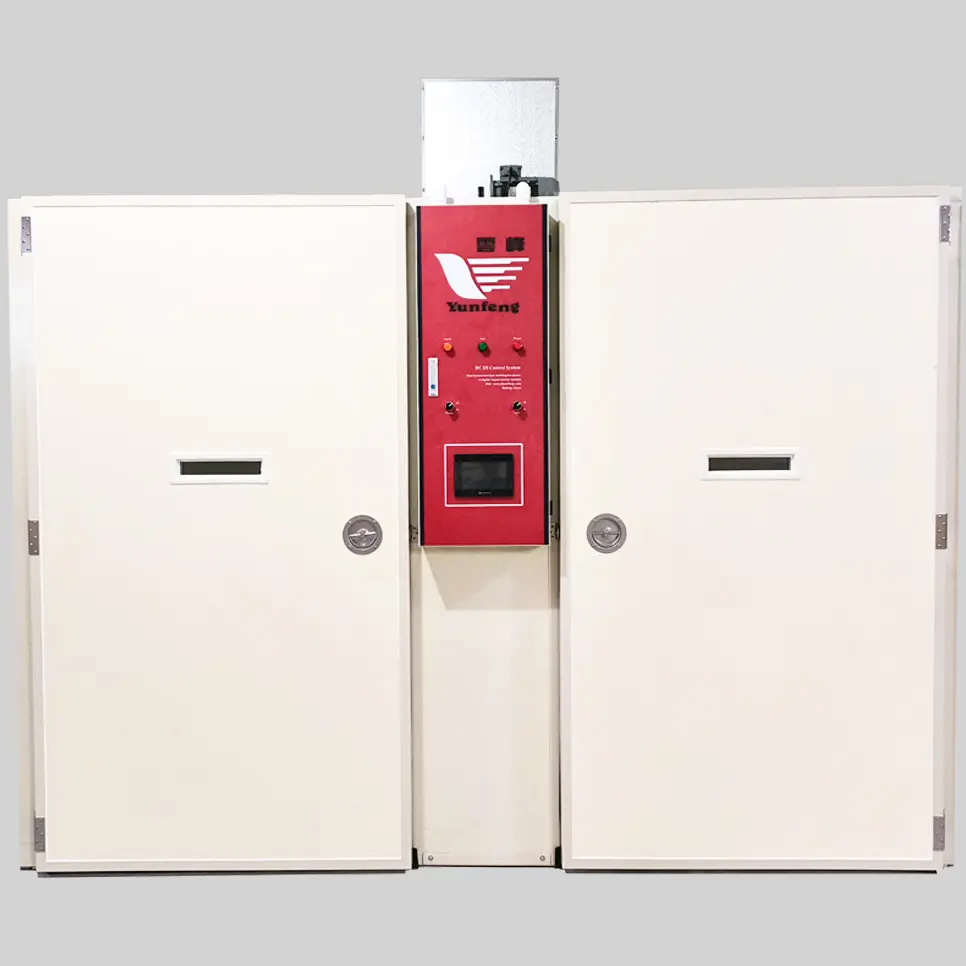
Modern hen incubator facilities rely on integrated automation systems that coordinate temperature, humidity, and ventilation functions. These sophisticated platforms continuously monitor environmental conditions and make real-time adjustments to maintain optimal parameters. Programmable logic controllers receive input from multiple sensors and execute preset algorithms to ensure consistent performance.
Data logging capabilities allow operators to track historical performance and identify trends that might indicate equipment maintenance needs or environmental challenges. Remote monitoring systems enable off-site supervision of critical hen incubator functions, providing alerts when conditions deviate from acceptable ranges. This technology reduces labor requirements while improving overall reliability and hatch rate consistency.
Impact of Improper Humidity on Embryo Development
Consequences of Low Humidity Conditions
Insufficient humidity during incubation causes excessive moisture loss from developing eggs, leading to various developmental problems. Embryos may become stuck to the shell membrane due to inadequate lubrication, preventing normal positioning changes required for proper growth. Low humidity conditions also concentrate dissolved minerals within the egg, potentially creating toxic environments that impair cellular development.
Chicks that successfully hatch under low humidity conditions often exhibit reduced body weight and delayed development. These effects carry forward into the growing period, resulting in decreased feed conversion efficiency and slower growth rates. Commercial operations experience significant economic losses when hen incubator humidity levels remain consistently below optimal ranges.
Problems Associated with Excessive Humidity
Over-humidification creates equally serious problems that can devastate hatching success rates. Excessive moisture prevents normal water loss from eggs, causing embryos to retain too much fluid and develop improperly. High humidity conditions also promote bacterial and fungal growth within the incubation environment, introducing pathogens that can infect developing embryos.
Chicks hatching in over-humidified conditions often struggle to break free from their shells due to weakened muscles and excess fluid retention. Those that do emerge successfully may experience respiratory problems and reduced vitality during their first days of life. Maintaining precise humidity control in hen incubator systems prevents these costly developmental issues.
Economic Benefits of Proper Humidity Management
Improved Hatch Rate Performance
Professional poultry operations that invest in quality humidity control systems consistently achieve higher hatch rates compared to facilities with basic equipment. Studies demonstrate that proper humidity management can improve overall hatching success by 8-12% compared to operations using inferior control methods. This improvement translates directly into increased revenue and better return on investment for breeding programs.
Enhanced hatch rate consistency also improves production planning and resource allocation. Predictable outcomes allow managers to optimize facility utilization and reduce waste associated with failed batches. Commercial hen incubator operations benefit from reduced variability in weekly and monthly output numbers, enabling better customer service and contract fulfillment.
Reduced Mortality and Health Issues
Proper humidity control during incubation significantly reduces early chick mortality rates and health problems that affect long-term productivity. Well-developed chicks exhibit stronger immune systems and better stress tolerance, reducing medication costs and veterinary expenses. These healthier birds also demonstrate improved feed conversion ratios and faster growth rates throughout their production cycle.
The economic impact extends beyond immediate hatching success to encompass entire production cycles. Birds that experience optimal incubation conditions typically maintain better health throughout their lives, reducing replacement costs and improving overall flock profitability. Investment in advanced hen incubator humidity control systems pays dividends through multiple generations of healthier, more productive poultry.
Best Practices for Humidity Monitoring and Control
Calibration and Maintenance Procedures
Regular calibration of humidity monitoring equipment ensures accurate readings and reliable control system performance. Professional operations implement weekly verification procedures using certified reference standards to maintain measurement accuracy. Humidity sensors require periodic cleaning and replacement according to manufacturer specifications to prevent drift and measurement errors.
Preventive maintenance schedules should include comprehensive inspection of humidification equipment, including ultrasonic transducers, water filtration systems, and distribution networks. Clean water sources prevent mineral buildup that can impair system performance and introduce contaminants into the hen incubator environment. Documentation of all maintenance activities supports regulatory compliance and quality assurance programs.
Staff Training and Protocol Development
Successful humidity management requires properly trained personnel who understand the critical relationship between environmental conditions and embryo development. Training programs should cover equipment operation, troubleshooting procedures, and emergency response protocols. Staff members must recognize early warning signs of system malfunctions and implement corrective actions quickly to prevent batch losses.
Written standard operating procedures ensure consistent performance across all shifts and personnel changes. These documents should specify target humidity ranges, adjustment protocols, and escalation procedures for abnormal conditions. Regular training updates keep staff informed about new technologies and best practices in hen incubator humidity management.
FAQ
What humidity level should be maintained during the first 18 days of incubation
The optimal humidity level for the first 18 days of incubation ranges between 55-60% relative humidity. This range supports proper embryo development while preventing excessive moisture loss from the eggs. Maintaining consistent levels within this range is more important than hitting exact percentages, as minor fluctuations are normal and acceptable.
How does humidity affect hatching success rates
Proper humidity control can improve overall hatching success rates by 8-12% compared to operations with poor environmental management. Low humidity causes excessive moisture loss and developmental problems, while high humidity prevents normal water loss and promotes bacterial growth. Maintaining optimal levels throughout the incubation period ensures healthy embryo development and successful hatching.
What type of humidification system works best for commercial operations
Ultrasonic humidification systems provide the most precise and reliable moisture control for commercial hen incubator operations. These systems generate consistent, fine water droplets that distribute evenly throughout the incubation chamber. They operate efficiently, respond quickly to environmental changes, and integrate well with automated control systems for optimal performance.
How often should humidity monitoring equipment be calibrated
Humidity monitoring equipment should be calibrated weekly using certified reference standards to ensure measurement accuracy. Monthly comprehensive calibrations provide additional verification of system performance. Any significant changes in readings or suspected equipment malfunctions warrant immediate calibration checks to prevent improper environmental conditions that could affect hatching success.
Successful poultry breeding depends heavily on maintaining precise environmental conditions during the incubation process. Temperature and humidity control represent the most critical factors that determine hatching success rates in commercial and backyard poultry operations. Professional breeders understand that even minor fluctuations in these parameters can significantly impact embryo development and overall hatch rates. Modern hen incubator systems require sophisticated humidity management to achieve optimal results consistently.
Understanding Humidity Requirements in Poultry Incubation
Optimal Humidity Levels for Different Incubation Stages
The incubation process requires different humidity levels at various developmental stages to support proper embryo growth. During the initial 18 days of incubation, maintaining relative humidity between 55-60% creates ideal conditions for cell division and organ formation. This controlled environment prevents excessive moisture loss from the egg while allowing necessary gas exchange through the shell. Professional hen incubator operators monitor these levels continuously using calibrated hygrometers and automated control systems.
The final three days before hatching require increased humidity levels of 65-70% to facilitate the hatching process. This higher moisture content softens the inner shell membrane and prevents the chick from becoming stuck during emergence. Experienced breeders adjust their hen incubator settings precisely during this critical transition period to maximize successful hatches.
Environmental Factors Affecting Humidity Control
External weather conditions significantly influence humidity management within incubation facilities. Seasonal variations in ambient moisture levels require constant adjustments to maintain stable internal conditions. During winter months, heated indoor air typically contains less moisture, necessitating increased humidification efforts. Summer conditions often bring higher ambient humidity that can interfere with precise control mechanisms.
Facility design and ventilation systems also impact humidity regulation effectiveness. Proper air circulation prevents moisture stratification and ensures uniform conditions throughout the hen incubator chamber. Modern facilities incorporate sophisticated HVAC systems that work in conjunction with dedicated humidification equipment to maintain consistent environmental parameters.
Technical Aspects of Humidity Generation Systems
Ultrasonic Humidification Technology
Ultrasonic humidifiers represent the most advanced solution for precise moisture control in commercial hen incubator operations. These systems generate microscopic water droplets through high-frequency vibrations, creating a fine mist that distributes evenly throughout the incubation chamber. The technology operates silently and efficiently, consuming minimal energy while delivering consistent humidity output. Advanced ultrasonic units feature programmable controls that automatically adjust output based on real-time humidity readings.
The ultrasonic approach offers superior control compared to traditional steam or evaporative methods. Water droplet size remains consistent, preventing over-humidification in localized areas that could damage developing embryos. Professional breeders prefer ultrasonic systems because they respond rapidly to environmental changes and maintain stable conditions throughout the incubation cycle.
Integration with Automated Control Systems
Modern hen incubator facilities rely on integrated automation systems that coordinate temperature, humidity, and ventilation functions. These sophisticated platforms continuously monitor environmental conditions and make real-time adjustments to maintain optimal parameters. Programmable logic controllers receive input from multiple sensors and execute preset algorithms to ensure consistent performance.
Data logging capabilities allow operators to track historical performance and identify trends that might indicate equipment maintenance needs or environmental challenges. Remote monitoring systems enable off-site supervision of critical hen incubator functions, providing alerts when conditions deviate from acceptable ranges. This technology reduces labor requirements while improving overall reliability and hatch rate consistency.
Impact of Improper Humidity on Embryo Development
Consequences of Low Humidity Conditions
Insufficient humidity during incubation causes excessive moisture loss from developing eggs, leading to various developmental problems. Embryos may become stuck to the shell membrane due to inadequate lubrication, preventing normal positioning changes required for proper growth. Low humidity conditions also concentrate dissolved minerals within the egg, potentially creating toxic environments that impair cellular development.
Chicks that successfully hatch under low humidity conditions often exhibit reduced body weight and delayed development. These effects carry forward into the growing period, resulting in decreased feed conversion efficiency and slower growth rates. Commercial operations experience significant economic losses when hen incubator humidity levels remain consistently below optimal ranges.
Problems Associated with Excessive Humidity
Over-humidification creates equally serious problems that can devastate hatching success rates. Excessive moisture prevents normal water loss from eggs, causing embryos to retain too much fluid and develop improperly. High humidity conditions also promote bacterial and fungal growth within the incubation environment, introducing pathogens that can infect developing embryos.
Chicks hatching in over-humidified conditions often struggle to break free from their shells due to weakened muscles and excess fluid retention. Those that do emerge successfully may experience respiratory problems and reduced vitality during their first days of life. Maintaining precise humidity control in hen incubator systems prevents these costly developmental issues.
Economic Benefits of Proper Humidity Management
Improved Hatch Rate Performance
Professional poultry operations that invest in quality humidity control systems consistently achieve higher hatch rates compared to facilities with basic equipment. Studies demonstrate that proper humidity management can improve overall hatching success by 8-12% compared to operations using inferior control methods. This improvement translates directly into increased revenue and better return on investment for breeding programs.
Enhanced hatch rate consistency also improves production planning and resource allocation. Predictable outcomes allow managers to optimize facility utilization and reduce waste associated with failed batches. Commercial hen incubator operations benefit from reduced variability in weekly and monthly output numbers, enabling better customer service and contract fulfillment.
Reduced Mortality and Health Issues
Proper humidity control during incubation significantly reduces early chick mortality rates and health problems that affect long-term productivity. Well-developed chicks exhibit stronger immune systems and better stress tolerance, reducing medication costs and veterinary expenses. These healthier birds also demonstrate improved feed conversion ratios and faster growth rates throughout their production cycle.
The economic impact extends beyond immediate hatching success to encompass entire production cycles. Birds that experience optimal incubation conditions typically maintain better health throughout their lives, reducing replacement costs and improving overall flock profitability. Investment in advanced hen incubator humidity control systems pays dividends through multiple generations of healthier, more productive poultry.
Best Practices for Humidity Monitoring and Control
Calibration and Maintenance Procedures
Regular calibration of humidity monitoring equipment ensures accurate readings and reliable control system performance. Professional operations implement weekly verification procedures using certified reference standards to maintain measurement accuracy. Humidity sensors require periodic cleaning and replacement according to manufacturer specifications to prevent drift and measurement errors.
Preventive maintenance schedules should include comprehensive inspection of humidification equipment, including ultrasonic transducers, water filtration systems, and distribution networks. Clean water sources prevent mineral buildup that can impair system performance and introduce contaminants into the hen incubator environment. Documentation of all maintenance activities supports regulatory compliance and quality assurance programs.
Staff Training and Protocol Development
Successful humidity management requires properly trained personnel who understand the critical relationship between environmental conditions and embryo development. Training programs should cover equipment operation, troubleshooting procedures, and emergency response protocols. Staff members must recognize early warning signs of system malfunctions and implement corrective actions quickly to prevent batch losses.
Written standard operating procedures ensure consistent performance across all shifts and personnel changes. These documents should specify target humidity ranges, adjustment protocols, and escalation procedures for abnormal conditions. Regular training updates keep staff informed about new technologies and best practices in hen incubator humidity management.
FAQ
What humidity level should be maintained during the first 18 days of incubation
The optimal humidity level for the first 18 days of incubation ranges between 55-60% relative humidity. This range supports proper embryo development while preventing excessive moisture loss from the eggs. Maintaining consistent levels within this range is more important than hitting exact percentages, as minor fluctuations are normal and acceptable.
How does humidity affect hatching success rates
Proper humidity control can improve overall hatching success rates by 8-12% compared to operations with poor environmental management. Low humidity causes excessive moisture loss and developmental problems, while high humidity prevents normal water loss and promotes bacterial growth. Maintaining optimal levels throughout the incubation period ensures healthy embryo development and successful hatching.
What type of humidification system works best for commercial operations
Ultrasonic humidification systems provide the most precise and reliable moisture control for commercial hen incubator operations. These systems generate consistent, fine water droplets that distribute evenly throughout the incubation chamber. They operate efficiently, respond quickly to environmental changes, and integrate well with automated control systems for optimal performance.
How often should humidity monitoring equipment be calibrated
Humidity monitoring equipment should be calibrated weekly using certified reference standards to ensure measurement accuracy. Monthly comprehensive calibrations provide additional verification of system performance. Any significant changes in readings or suspected equipment malfunctions warrant immediate calibration checks to prevent improper environmental conditions that could affect hatching success.