EN
EN

How Do Automatic Incubators Ensure Consistent Temperature and Humidity Control?
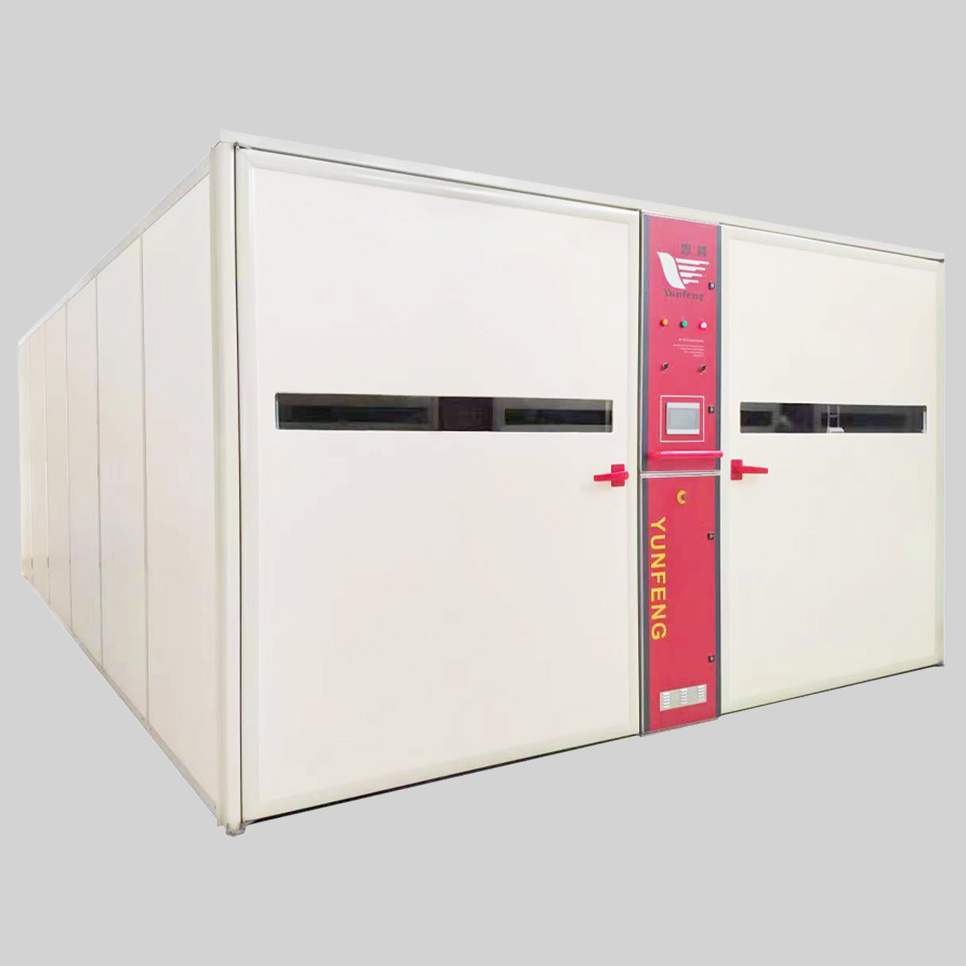
Modern poultry breeding and laboratory research rely heavily on precise environmental control systems to achieve optimal hatching rates and experimental outcomes. Automatic incubators have revolutionized the industry by providing sophisticated monitoring and adjustment mechanisms that eliminate human error and ensure consistent results. These advanced systems integrate multiple sensors, control algorithms, and mechanical components to maintain ideal conditions throughout the incubation period. The technology behind these units represents decades of engineering refinement focused on creating the most stable environment possible for developing embryos or sensitive biological specimens.
Advanced Temperature Control Mechanisms
Digital Thermostat Systems
The heart of temperature regulation in automatic incubators lies in sophisticated digital thermostat systems that continuously monitor and adjust heating elements. These systems utilize high-precision thermistors or RTD sensors positioned strategically throughout the incubation chamber to detect even minute temperature variations. The digital controllers process this information using advanced algorithms that calculate the exact amount of heating required to maintain the setpoint temperature. Unlike traditional analog systems, digital thermostats can respond to temperature changes within seconds, preventing the temperature swings that can be detrimental to developing embryos.
Modern automatic incubators employ proportional-integral-derivative control systems that learn from environmental patterns and adjust their responses accordingly. This predictive capability allows the incubator to anticipate temperature changes before they occur, such as when the ambient room temperature fluctuates throughout the day. The system maintains temperature stability within extremely narrow tolerances, typically plus or minus 0.1 degrees Celsius, which is crucial for optimal development rates and hatching success.
Heating Element Distribution
Effective temperature control requires proper heat distribution throughout the incubation chamber, which automatic incubators achieve through strategically placed heating elements and circulation fans. Multiple heating zones ensure that temperature remains uniform from top to bottom and front to back within the unit. Ceramic heating elements are commonly used because they provide consistent, long-lasting heat output without creating hot spots that could damage developing specimens.
The circulation system works in conjunction with heating elements to eliminate temperature gradients that might otherwise exist within the chamber. Variable-speed fans adjust their operation based on real-time temperature readings, increasing circulation when temperature differences are detected between zones. This dynamic response ensures that all areas of the incubator maintain the same temperature, regardless of egg placement or external environmental conditions.
Humidity Regulation Systems
Water Reservoir Management
Humidity control in automatic incubators relies on precisely managed water reservoirs and evaporation surfaces that respond to humidity sensors throughout the incubation period. These systems monitor relative humidity levels continuously and automatically add or restrict water flow to maintain optimal moisture conditions. The water management system includes multiple channels and adjustable surface areas that can be modified based on the specific requirements of different incubation stages.
Advanced automatic incubators feature heated water reservoirs that accelerate evaporation when higher humidity levels are required quickly. Temperature-controlled water systems prevent condensation problems while ensuring that humidity changes occur gradually rather than in sudden spikes that could stress developing embryos. The integration of humidity and temperature control prevents the common issue where increasing temperature inadvertently reduces relative humidity levels.
Ventilation and Air Exchange
Proper ventilation systems in automatic incubators balance the need for fresh air exchange with humidity retention and temperature stability. Microprocessor-controlled dampers adjust ventilation rates based on carbon dioxide levels, oxygen concentration, and humidity readings. This dynamic ventilation system ensures adequate air quality while preventing excessive moisture loss that could compromise development.
The ventilation control algorithms account for the changing needs throughout the incubation period, automatically adjusting air exchange rates as embryonic development progresses and oxygen consumption increases. Fresh air intake is filtered and pre-conditioned to match the internal temperature and humidity levels, preventing environmental shocks when outside air enters the system. This sophisticated approach to air management is what separates high-quality automatic incubators from simpler manual units.
Sensor Technology and Monitoring
Multi-Point Sensing Networks
Contemporary automatic incubators employ networks of multiple sensors positioned throughout the incubation chamber to provide comprehensive environmental monitoring. Temperature sensors are typically placed at various heights and locations to detect any stratification or uneven heating patterns. Humidity sensors use capacitive or resistive technology to provide accurate moisture readings that feed directly into the control system for immediate response.
The sensor network includes redundant monitoring points that serve as backup systems in case primary sensors fail or provide questionable readings. Data from all sensors is continuously compared and analyzed by the control system to identify potential malfunctions or calibration drift. This redundancy ensures that automatic incubators maintain reliable operation even when individual components experience problems, providing peace of mind for valuable breeding programs or critical research applications.
Data Logging and Alert Systems
Modern automatic incubators feature comprehensive data logging capabilities that record temperature and humidity measurements at regular intervals throughout the entire incubation period. This historical data serves multiple purposes, including troubleshooting, performance analysis, and compliance documentation for regulatory requirements. The logged information helps operators identify patterns and optimize settings for specific applications or environmental conditions.
Alert systems notify operators immediately when environmental parameters exceed predetermined limits or when system malfunctions are detected. These notifications can be delivered through various channels including audible alarms, visual displays, text messages, or email alerts depending on the severity of the situation. Remote monitoring capabilities allow operators to check incubator status and receive alerts even when they are not physically present, ensuring continuous oversight of critical incubation processes.
Calibration and Maintenance Protocols
Automated Calibration Procedures
Regular calibration is essential for maintaining the accuracy of automatic incubators, and modern units include automated calibration procedures that simplify this critical maintenance task. Self-calibrating sensors can detect drift and adjust their readings automatically, while more sophisticated systems include reference standards that allow for periodic verification of sensor accuracy. These automated procedures reduce the likelihood of human error during calibration and ensure that adjustments are made correctly.
The calibration system maintains records of all adjustments and calibration checks, providing a complete audit trail for quality assurance purposes. This documentation is particularly important for commercial breeding operations and research facilities that must demonstrate compliance with industry standards or regulatory requirements. Automatic incubators with advanced calibration systems can often detect when calibration is needed and prompt operators to perform necessary maintenance procedures.
Preventive Maintenance Features
Built-in diagnostic systems in automatic incubators monitor component performance and predict when maintenance will be required before problems occur. These predictive maintenance features track operating hours, cycle counts, and performance parameters to identify components that may need attention. Early warning systems alert operators to potential issues such as fan bearing wear, heating element degradation, or sensor drift before these problems affect incubation results.
Maintenance scheduling systems help operators track routine service requirements such as cleaning schedules, filter replacements, and calibration intervals. These systems can generate maintenance reminders and provide step-by-step procedures for common service tasks. The integration of maintenance tracking with operational data helps identify relationships between maintenance practices and incubation success rates, enabling continuous improvement in operational procedures.
FAQ
How often should automatic incubators be calibrated for optimal performance?
Most automatic incubators should undergo calibration checks at least quarterly, though high-use commercial units may require monthly verification. The frequency depends on usage intensity, environmental conditions, and regulatory requirements. Many modern units include self-calibration features that perform continuous adjustments, but periodic verification with certified reference standards remains essential for maintaining accuracy and compliance with quality standards.
What backup systems protect against power failures in automatic incubators?
Quality automatic incubators typically include battery backup systems that maintain critical functions during brief power outages, while more comprehensive units may support external generator connections for extended power failures. The backup systems prioritize temperature maintenance over other functions, and many units include alarm systems that alert operators to power issues. Some advanced models feature dual power supply options and automatic switching capabilities to ensure continuous operation.
Can automatic incubators adjust settings for different species or applications?
Modern automatic incubators offer programmable settings that can be customized for various species, research applications, or specific breeding requirements. These systems store multiple program profiles that include temperature curves, humidity schedules, and ventilation patterns optimized for different applications. Advanced units may include preset programs for common species while allowing complete customization for specialized requirements or research protocols.
How do automatic incubators handle environmental changes in the surrounding room?
Sophisticated control algorithms in automatic incubators continuously monitor both internal and external conditions to compensate for ambient temperature and humidity fluctuations. The systems increase or decrease heating and cooling output based on external conditions while maintaining internal setpoints. Insulation quality and thermal mass design also help buffer against rapid external changes, while predictive control systems can anticipate and prepare for known environmental patterns such as daily temperature cycles.
Modern poultry breeding and laboratory research rely heavily on precise environmental control systems to achieve optimal hatching rates and experimental outcomes. Automatic incubators have revolutionized the industry by providing sophisticated monitoring and adjustment mechanisms that eliminate human error and ensure consistent results. These advanced systems integrate multiple sensors, control algorithms, and mechanical components to maintain ideal conditions throughout the incubation period. The technology behind these units represents decades of engineering refinement focused on creating the most stable environment possible for developing embryos or sensitive biological specimens.
Advanced Temperature Control Mechanisms
Digital Thermostat Systems
The heart of temperature regulation in automatic incubators lies in sophisticated digital thermostat systems that continuously monitor and adjust heating elements. These systems utilize high-precision thermistors or RTD sensors positioned strategically throughout the incubation chamber to detect even minute temperature variations. The digital controllers process this information using advanced algorithms that calculate the exact amount of heating required to maintain the setpoint temperature. Unlike traditional analog systems, digital thermostats can respond to temperature changes within seconds, preventing the temperature swings that can be detrimental to developing embryos.
Modern automatic incubators employ proportional-integral-derivative control systems that learn from environmental patterns and adjust their responses accordingly. This predictive capability allows the incubator to anticipate temperature changes before they occur, such as when the ambient room temperature fluctuates throughout the day. The system maintains temperature stability within extremely narrow tolerances, typically plus or minus 0.1 degrees Celsius, which is crucial for optimal development rates and hatching success.
Heating Element Distribution
Effective temperature control requires proper heat distribution throughout the incubation chamber, which automatic incubators achieve through strategically placed heating elements and circulation fans. Multiple heating zones ensure that temperature remains uniform from top to bottom and front to back within the unit. Ceramic heating elements are commonly used because they provide consistent, long-lasting heat output without creating hot spots that could damage developing specimens.
The circulation system works in conjunction with heating elements to eliminate temperature gradients that might otherwise exist within the chamber. Variable-speed fans adjust their operation based on real-time temperature readings, increasing circulation when temperature differences are detected between zones. This dynamic response ensures that all areas of the incubator maintain the same temperature, regardless of egg placement or external environmental conditions.
Humidity Regulation Systems
Water Reservoir Management
Humidity control in automatic incubators relies on precisely managed water reservoirs and evaporation surfaces that respond to humidity sensors throughout the incubation period. These systems monitor relative humidity levels continuously and automatically add or restrict water flow to maintain optimal moisture conditions. The water management system includes multiple channels and adjustable surface areas that can be modified based on the specific requirements of different incubation stages.
Advanced automatic incubators feature heated water reservoirs that accelerate evaporation when higher humidity levels are required quickly. Temperature-controlled water systems prevent condensation problems while ensuring that humidity changes occur gradually rather than in sudden spikes that could stress developing embryos. The integration of humidity and temperature control prevents the common issue where increasing temperature inadvertently reduces relative humidity levels.
Ventilation and Air Exchange
Proper ventilation systems in automatic incubators balance the need for fresh air exchange with humidity retention and temperature stability. Microprocessor-controlled dampers adjust ventilation rates based on carbon dioxide levels, oxygen concentration, and humidity readings. This dynamic ventilation system ensures adequate air quality while preventing excessive moisture loss that could compromise development.
The ventilation control algorithms account for the changing needs throughout the incubation period, automatically adjusting air exchange rates as embryonic development progresses and oxygen consumption increases. Fresh air intake is filtered and pre-conditioned to match the internal temperature and humidity levels, preventing environmental shocks when outside air enters the system. This sophisticated approach to air management is what separates high-quality automatic incubators from simpler manual units.
Sensor Technology and Monitoring
Multi-Point Sensing Networks
Contemporary automatic incubators employ networks of multiple sensors positioned throughout the incubation chamber to provide comprehensive environmental monitoring. Temperature sensors are typically placed at various heights and locations to detect any stratification or uneven heating patterns. Humidity sensors use capacitive or resistive technology to provide accurate moisture readings that feed directly into the control system for immediate response.
The sensor network includes redundant monitoring points that serve as backup systems in case primary sensors fail or provide questionable readings. Data from all sensors is continuously compared and analyzed by the control system to identify potential malfunctions or calibration drift. This redundancy ensures that automatic incubators maintain reliable operation even when individual components experience problems, providing peace of mind for valuable breeding programs or critical research applications.
Data Logging and Alert Systems
Modern automatic incubators feature comprehensive data logging capabilities that record temperature and humidity measurements at regular intervals throughout the entire incubation period. This historical data serves multiple purposes, including troubleshooting, performance analysis, and compliance documentation for regulatory requirements. The logged information helps operators identify patterns and optimize settings for specific applications or environmental conditions.
Alert systems notify operators immediately when environmental parameters exceed predetermined limits or when system malfunctions are detected. These notifications can be delivered through various channels including audible alarms, visual displays, text messages, or email alerts depending on the severity of the situation. Remote monitoring capabilities allow operators to check incubator status and receive alerts even when they are not physically present, ensuring continuous oversight of critical incubation processes.
Calibration and Maintenance Protocols
Automated Calibration Procedures
Regular calibration is essential for maintaining the accuracy of automatic incubators, and modern units include automated calibration procedures that simplify this critical maintenance task. Self-calibrating sensors can detect drift and adjust their readings automatically, while more sophisticated systems include reference standards that allow for periodic verification of sensor accuracy. These automated procedures reduce the likelihood of human error during calibration and ensure that adjustments are made correctly.
The calibration system maintains records of all adjustments and calibration checks, providing a complete audit trail for quality assurance purposes. This documentation is particularly important for commercial breeding operations and research facilities that must demonstrate compliance with industry standards or regulatory requirements. Automatic incubators with advanced calibration systems can often detect when calibration is needed and prompt operators to perform necessary maintenance procedures.
Preventive Maintenance Features
Built-in diagnostic systems in automatic incubators monitor component performance and predict when maintenance will be required before problems occur. These predictive maintenance features track operating hours, cycle counts, and performance parameters to identify components that may need attention. Early warning systems alert operators to potential issues such as fan bearing wear, heating element degradation, or sensor drift before these problems affect incubation results.
Maintenance scheduling systems help operators track routine service requirements such as cleaning schedules, filter replacements, and calibration intervals. These systems can generate maintenance reminders and provide step-by-step procedures for common service tasks. The integration of maintenance tracking with operational data helps identify relationships between maintenance practices and incubation success rates, enabling continuous improvement in operational procedures.
FAQ
How often should automatic incubators be calibrated for optimal performance?
Most automatic incubators should undergo calibration checks at least quarterly, though high-use commercial units may require monthly verification. The frequency depends on usage intensity, environmental conditions, and regulatory requirements. Many modern units include self-calibration features that perform continuous adjustments, but periodic verification with certified reference standards remains essential for maintaining accuracy and compliance with quality standards.
What backup systems protect against power failures in automatic incubators?
Quality automatic incubators typically include battery backup systems that maintain critical functions during brief power outages, while more comprehensive units may support external generator connections for extended power failures. The backup systems prioritize temperature maintenance over other functions, and many units include alarm systems that alert operators to power issues. Some advanced models feature dual power supply options and automatic switching capabilities to ensure continuous operation.
Can automatic incubators adjust settings for different species or applications?
Modern automatic incubators offer programmable settings that can be customized for various species, research applications, or specific breeding requirements. These systems store multiple program profiles that include temperature curves, humidity schedules, and ventilation patterns optimized for different applications. Advanced units may include preset programs for common species while allowing complete customization for specialized requirements or research protocols.
How do automatic incubators handle environmental changes in the surrounding room?
Sophisticated control algorithms in automatic incubators continuously monitor both internal and external conditions to compensate for ambient temperature and humidity fluctuations. The systems increase or decrease heating and cooling output based on external conditions while maintaining internal setpoints. Insulation quality and thermal mass design also help buffer against rapid external changes, while predictive control systems can anticipate and prepare for known environmental patterns such as daily temperature cycles.