EN
EN


Can Automatic Incubators Reduce Labor Costs in Large-Scale Operations?
Large-scale poultry operations face mounting pressure to optimize efficiency while managing rising labor costs. Traditional manual incubation methods require constant monitoring, temperature adjustments, and egg turning, consuming significant human resources. Modern automatic incubators have emerged as a transformative solution, offering sophisticated automation that can dramatically reduce labor requirements while improving hatch rates and operational consistency.
Understanding Labor Cost Challenges in Poultry Operations
Manual Incubation Labor Requirements
Traditional incubation systems demand intensive human intervention throughout the 21-day hatching cycle. Workers must manually turn eggs multiple times daily, monitor temperature and humidity levels continuously, and make frequent adjustments to maintain optimal conditions. This labor-intensive approach typically requires dedicated staff working in shifts to ensure around-the-clock supervision.
The financial impact extends beyond direct wages, encompassing training costs, benefits, overtime payments, and the inherent risks of human error. Large facilities often employ specialized incubation technicians whose expertise comes at premium rates, making labor one of the most significant operational expenses in commercial hatcheries.
Staffing Complexities and Operational Inefficiencies
Managing incubation staff presents unique challenges, particularly during peak production periods when multiple batches require simultaneous attention. Scheduling complications arise when coordinating breaks, vacations, and shift changes while maintaining continuous monitoring. The need for backup personnel during sick leave or emergencies further inflates labor costs.
Human-dependent processes also introduce variability in care quality, as different technicians may interpret environmental readings differently or respond inconsistently to changing conditions. This variability can impact hatch rates and chick quality, ultimately affecting profitability across the entire operation.
Automation Technology in Modern Incubation Systems
Advanced Control Systems and Sensors
Contemporary automatic incubators integrate sophisticated microprocessor-controlled systems that precisely manage every aspect of the incubation environment. Digital sensors continuously monitor temperature, humidity, ventilation, and egg position, making real-time adjustments without human intervention. These systems maintain environmental parameters within extremely narrow tolerances, often exceeding the precision achievable through manual monitoring.
Smart control algorithms learn from historical data and environmental patterns, enabling predictive adjustments that prevent deviation from optimal conditions. Some advanced units incorporate artificial intelligence that adapts to specific egg types, seasonal variations, and facility-specific requirements, continuously optimizing performance without operator input.
Automated Egg Handling and Turning Mechanisms
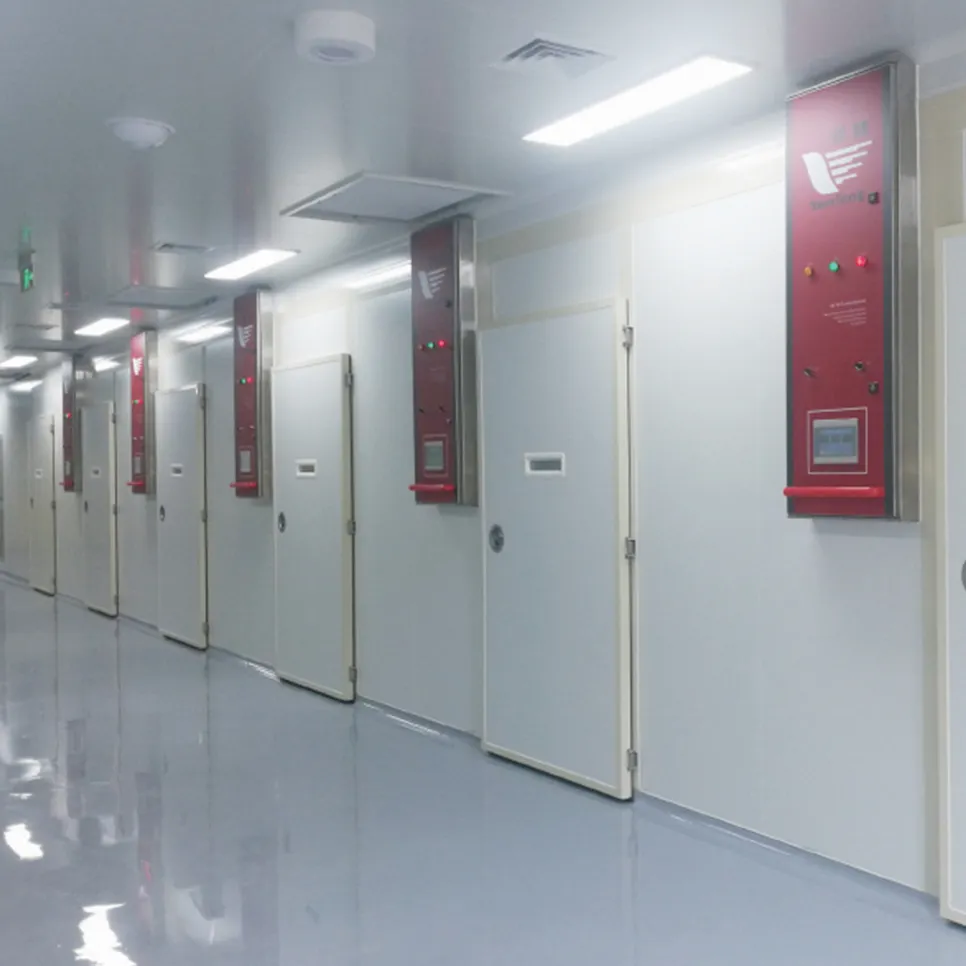
Modern automatic incubators feature pneumatic or servo-driven turning systems that rotate eggs at precise intervals throughout the incubation period. These mechanisms eliminate the manual labor traditionally required for egg turning while ensuring consistent, gentle handling that reduces breakage and improves embryo development. Automated systems can handle thousands of eggs simultaneously with uniform precision.
Loading and unloading processes have also been streamlined through automated trolley systems and robotic handling equipment. These innovations reduce physical strain on workers while increasing processing speed and accuracy, allowing facilities to handle larger volumes with minimal human intervention.
Quantifying Labor Cost Reductions
Direct Labor Savings Analysis
Implementing automatic incubators can reduce labor requirements by 60-80% compared to manual systems, depending on facility size and complexity. A typical large-scale operation requiring three full-time technicians for manual incubation might operate effectively with a single supervisor overseeing multiple automated units. This reduction translates to substantial annual savings in wages, benefits, and associated employment costs.
The financial impact becomes more pronounced when considering overtime elimination, reduced training expenses, and decreased turnover costs. Automatic incubators operate consistently regardless of holidays, weekends, or staff availability, eliminating premium pay rates typically associated with continuous manual monitoring requirements.
Productivity and Efficiency Gains
Beyond direct labor cost reduction, automatic incubators enable existing staff to focus on higher-value activities such as quality control, breeding program management, and facility optimization. This reallocation of human resources often generates additional value that compounds the initial labor savings, improving overall operational efficiency and profitability.
Automated systems also enable larger batch processing capabilities, allowing facilities to increase throughput without proportional increases in staffing. The consistent performance of automatic incubators often results in improved hatch rates and chick quality, further enhancing the economic benefits beyond simple labor cost reduction.
Implementation Considerations and Best Practices
Technology Integration and Training Requirements
Successful implementation of automatic incubators requires careful planning and staff training to maximize labor cost benefits. While these systems significantly reduce hands-on requirements, operators must understand system monitoring, maintenance procedures, and troubleshooting protocols. Initial training investments typically pay dividends through improved system utilization and reduced downtime.
Integration with existing facility management systems can further enhance efficiency gains by providing centralized monitoring and data collection capabilities. Modern automatic incubators often include remote monitoring features that allow oversight from multiple locations, reducing the need for on-site presence during routine operations.
Maintenance and Long-term Cost Benefits
While automatic incubators require regular maintenance, these systems typically demand less frequent attention than manual alternatives. Preventive maintenance schedules can be optimized to minimize disruption, and many components feature extended service intervals that reduce ongoing labor requirements. The consistency of automated operations also reduces wear and tear associated with frequent manual adjustments.
Long-term operational data from automatic incubators provides valuable insights for continuous improvement, enabling facilities to optimize performance and further reduce labor requirements over time. This data-driven approach to incubation management creates ongoing opportunities for efficiency gains and cost reduction.
Return on Investment and Economic Impact
Capital Investment versus Labor Savings
The initial investment in automatic incubators is typically recovered through labor savings within 2-3 years for most large-scale operations. When calculating return on investment, facilities must consider not only direct labor cost reduction but also improved hatch rates, reduced product loss, and enhanced operational consistency. These combined benefits often result in payback periods shorter than initially projected.
Financing options and equipment leasing programs can further improve the economic attractiveness of automatic incubators, allowing facilities to realize immediate labor cost benefits while spreading capital investments over time. The predictable nature of automation benefits makes these investments particularly suitable for structured financing arrangements.
Competitive Advantages and Market Position
Facilities implementing automatic incubators often gain significant competitive advantages through reduced operational costs and improved product consistency. Lower labor requirements enable more aggressive pricing strategies while maintaining profitability, potentially capturing increased market share in competitive environments.
The reliability and consistency of automatic incubators also support business expansion by reducing the complexity of scaling operations. Facilities can increase capacity without proportional increases in management complexity or specialized labor requirements, facilitating growth and market expansion opportunities.
FAQ
How much can large-scale operations save on labor costs with automatic incubators?
Large-scale operations typically save 60-80% on direct labor costs related to incubation when implementing automatic incubators. For a facility requiring three full-time manual technicians, automation can reduce this to one supervisor, representing annual savings of $80,000-$120,000 in wages alone, plus additional savings in benefits, training, and overtime costs.
What is the typical payback period for investing in automatic incubators?
Most large-scale operations recover their investment in automatic incubators within 2-3 years through labor cost savings alone. When factoring in improved hatch rates, reduced product loss, and enhanced operational efficiency, payback periods often range from 18-30 months depending on facility size and current labor costs.
Do automatic incubators require specialized maintenance staff?
While automatic incubators require regular maintenance, most systems are designed for standard facility maintenance teams to service. Basic preventive maintenance can typically be performed by existing staff with appropriate training, while major repairs may require specialized technicians. Overall maintenance labor requirements are generally lower than the labor saved through automation.
Can automatic incubators handle the same capacity as manual systems with fewer workers?
Automatic incubators often handle significantly larger capacities than manual systems while requiring fewer workers. Modern automated units can process thousands of eggs per cycle with minimal human intervention, compared to manual systems where capacity is limited by the number of eggs workers can effectively monitor and turn. This scalability advantage makes automation particularly attractive for large-scale operations seeking to expand capacity without proportional labor increases.
Large-scale poultry operations face mounting pressure to optimize efficiency while managing rising labor costs. Traditional manual incubation methods require constant monitoring, temperature adjustments, and egg turning, consuming significant human resources. Modern automatic incubators have emerged as a transformative solution, offering sophisticated automation that can dramatically reduce labor requirements while improving hatch rates and operational consistency.
Understanding Labor Cost Challenges in Poultry Operations
Manual Incubation Labor Requirements
Traditional incubation systems demand intensive human intervention throughout the 21-day hatching cycle. Workers must manually turn eggs multiple times daily, monitor temperature and humidity levels continuously, and make frequent adjustments to maintain optimal conditions. This labor-intensive approach typically requires dedicated staff working in shifts to ensure around-the-clock supervision.
The financial impact extends beyond direct wages, encompassing training costs, benefits, overtime payments, and the inherent risks of human error. Large facilities often employ specialized incubation technicians whose expertise comes at premium rates, making labor one of the most significant operational expenses in commercial hatcheries.
Staffing Complexities and Operational Inefficiencies
Managing incubation staff presents unique challenges, particularly during peak production periods when multiple batches require simultaneous attention. Scheduling complications arise when coordinating breaks, vacations, and shift changes while maintaining continuous monitoring. The need for backup personnel during sick leave or emergencies further inflates labor costs.
Human-dependent processes also introduce variability in care quality, as different technicians may interpret environmental readings differently or respond inconsistently to changing conditions. This variability can impact hatch rates and chick quality, ultimately affecting profitability across the entire operation.
Automation Technology in Modern Incubation Systems
Advanced Control Systems and Sensors
Contemporary automatic incubators integrate sophisticated microprocessor-controlled systems that precisely manage every aspect of the incubation environment. Digital sensors continuously monitor temperature, humidity, ventilation, and egg position, making real-time adjustments without human intervention. These systems maintain environmental parameters within extremely narrow tolerances, often exceeding the precision achievable through manual monitoring.
Smart control algorithms learn from historical data and environmental patterns, enabling predictive adjustments that prevent deviation from optimal conditions. Some advanced units incorporate artificial intelligence that adapts to specific egg types, seasonal variations, and facility-specific requirements, continuously optimizing performance without operator input.
Automated Egg Handling and Turning Mechanisms
Modern automatic incubators feature pneumatic or servo-driven turning systems that rotate eggs at precise intervals throughout the incubation period. These mechanisms eliminate the manual labor traditionally required for egg turning while ensuring consistent, gentle handling that reduces breakage and improves embryo development. Automated systems can handle thousands of eggs simultaneously with uniform precision.
Loading and unloading processes have also been streamlined through automated trolley systems and robotic handling equipment. These innovations reduce physical strain on workers while increasing processing speed and accuracy, allowing facilities to handle larger volumes with minimal human intervention.
Quantifying Labor Cost Reductions
Direct Labor Savings Analysis
Implementing automatic incubators can reduce labor requirements by 60-80% compared to manual systems, depending on facility size and complexity. A typical large-scale operation requiring three full-time technicians for manual incubation might operate effectively with a single supervisor overseeing multiple automated units. This reduction translates to substantial annual savings in wages, benefits, and associated employment costs.
The financial impact becomes more pronounced when considering overtime elimination, reduced training expenses, and decreased turnover costs. Automatic incubators operate consistently regardless of holidays, weekends, or staff availability, eliminating premium pay rates typically associated with continuous manual monitoring requirements.
Productivity and Efficiency Gains
Beyond direct labor cost reduction, automatic incubators enable existing staff to focus on higher-value activities such as quality control, breeding program management, and facility optimization. This reallocation of human resources often generates additional value that compounds the initial labor savings, improving overall operational efficiency and profitability.
Automated systems also enable larger batch processing capabilities, allowing facilities to increase throughput without proportional increases in staffing. The consistent performance of automatic incubators often results in improved hatch rates and chick quality, further enhancing the economic benefits beyond simple labor cost reduction.
Implementation Considerations and Best Practices
Technology Integration and Training Requirements
Successful implementation of automatic incubators requires careful planning and staff training to maximize labor cost benefits. While these systems significantly reduce hands-on requirements, operators must understand system monitoring, maintenance procedures, and troubleshooting protocols. Initial training investments typically pay dividends through improved system utilization and reduced downtime.
Integration with existing facility management systems can further enhance efficiency gains by providing centralized monitoring and data collection capabilities. Modern automatic incubators often include remote monitoring features that allow oversight from multiple locations, reducing the need for on-site presence during routine operations.
Maintenance and Long-term Cost Benefits
While automatic incubators require regular maintenance, these systems typically demand less frequent attention than manual alternatives. Preventive maintenance schedules can be optimized to minimize disruption, and many components feature extended service intervals that reduce ongoing labor requirements. The consistency of automated operations also reduces wear and tear associated with frequent manual adjustments.
Long-term operational data from automatic incubators provides valuable insights for continuous improvement, enabling facilities to optimize performance and further reduce labor requirements over time. This data-driven approach to incubation management creates ongoing opportunities for efficiency gains and cost reduction.
Return on Investment and Economic Impact
Capital Investment versus Labor Savings
The initial investment in automatic incubators is typically recovered through labor savings within 2-3 years for most large-scale operations. When calculating return on investment, facilities must consider not only direct labor cost reduction but also improved hatch rates, reduced product loss, and enhanced operational consistency. These combined benefits often result in payback periods shorter than initially projected.
Financing options and equipment leasing programs can further improve the economic attractiveness of automatic incubators, allowing facilities to realize immediate labor cost benefits while spreading capital investments over time. The predictable nature of automation benefits makes these investments particularly suitable for structured financing arrangements.
Competitive Advantages and Market Position
Facilities implementing automatic incubators often gain significant competitive advantages through reduced operational costs and improved product consistency. Lower labor requirements enable more aggressive pricing strategies while maintaining profitability, potentially capturing increased market share in competitive environments.
The reliability and consistency of automatic incubators also support business expansion by reducing the complexity of scaling operations. Facilities can increase capacity without proportional increases in management complexity or specialized labor requirements, facilitating growth and market expansion opportunities.
FAQ
How much can large-scale operations save on labor costs with automatic incubators?
Large-scale operations typically save 60-80% on direct labor costs related to incubation when implementing automatic incubators. For a facility requiring three full-time manual technicians, automation can reduce this to one supervisor, representing annual savings of $80,000-$120,000 in wages alone, plus additional savings in benefits, training, and overtime costs.
What is the typical payback period for investing in automatic incubators?
Most large-scale operations recover their investment in automatic incubators within 2-3 years through labor cost savings alone. When factoring in improved hatch rates, reduced product loss, and enhanced operational efficiency, payback periods often range from 18-30 months depending on facility size and current labor costs.
Do automatic incubators require specialized maintenance staff?
While automatic incubators require regular maintenance, most systems are designed for standard facility maintenance teams to service. Basic preventive maintenance can typically be performed by existing staff with appropriate training, while major repairs may require specialized technicians. Overall maintenance labor requirements are generally lower than the labor saved through automation.
Can automatic incubators handle the same capacity as manual systems with fewer workers?
Automatic incubators often handle significantly larger capacities than manual systems while requiring fewer workers. Modern automated units can process thousands of eggs per cycle with minimal human intervention, compared to manual systems where capacity is limited by the number of eggs workers can effectively monitor and turn. This scalability advantage makes automation particularly attractive for large-scale operations seeking to expand capacity without proportional labor increases.