Determining the optimal timing for hatchery equipment upgrades represents a critical strategic decision that directly impacts production efficiency, operational costs, and competitive positioning in the poultry industry. As we approach 2026, hatchery operators face evolving market conditions, advancing technology standards, and changing regulatory requirements that collectively influence equipment replacement decisions. Understanding these timing factors enables facilities to maximize return on investment while maintaining operational continuity and production quality standards.
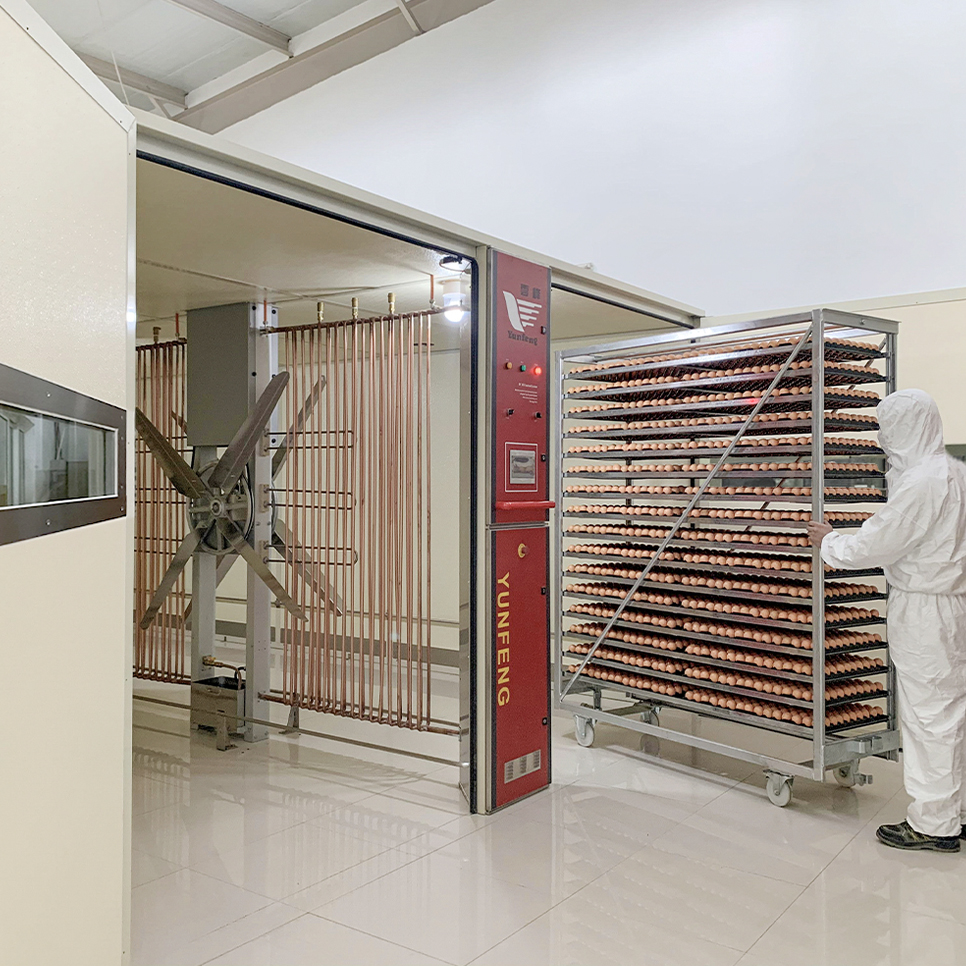
Strategic upgrade timing requires careful analysis of multiple convergent factors including equipment lifecycle stages, technological advancement cycles, and market demand patterns. Modern hatchery operations must balance the costs of maintaining aging equipment against the benefits of enhanced efficiency, improved hatch rates, and reduced operational complexity that newer systems provide. The decision framework involves evaluating current equipment performance metrics, anticipated technology developments, and projected business growth trajectories to identify the optimal upgrade window.
Monitoring key performance indicators reveals when existing hatchery equipment begins approaching end-of-life thresholds that justify replacement consideration. Declining hatch rates below industry benchmarks, increased energy consumption per unit of production, and rising maintenance frequency indicate equipment aging that impacts operational profitability. These performance degradations typically accelerate as equipment exceeds manufacturer-recommended service intervals.
Temperature control inconsistencies represent another critical indicator requiring attention, as modern hatchery equipment offers significantly improved thermal regulation compared to older systems. Facilities experiencing temperature fluctuations exceeding acceptable tolerances should evaluate whether repairs can restore optimal conditions or if equipment replacement provides more cost-effective long-term solutions.
Production capacity limitations relative to market demand also signal potential upgrade timing opportunities. When existing equipment constrains facility throughput below profitable operating levels, strategic expansion or replacement of hatchery equipment becomes economically justified to capture additional market opportunities and improve competitive positioning.
Rising maintenance expenses often provide clear signals for equipment replacement consideration, particularly when annual service costs exceed predetermined percentages of equipment replacement value. Industry standards suggest evaluating replacement when maintenance costs reach 15-20% of new equipment purchase price annually, indicating diminishing returns on continued operation.
Component availability challenges compound maintenance cost escalation, as obsolete parts for aging hatchery equipment command premium pricing and extended lead times. These supply chain constraints create operational risk exposure that newer equipment eliminates through improved parts availability and standardized component specifications.
Labor efficiency considerations also factor into maintenance cost analysis, as modern equipment designs typically require less specialized technical knowledge and reduced service intervals compared to older systems. This operational simplification translates to lower long-term maintenance labor costs and reduced dependency on specialized service providers.
Understanding hatchery equipment innovation cycles helps facilities time upgrades to capture maximum technological advancement benefits while avoiding premature adoption risks. Major equipment manufacturers typically release significant upgrades on predictable cycles, with substantial improvements appearing every 3-5 years in core technologies such as climate control systems, automation interfaces, and energy efficiency improvements.
The 2026 timeframe coincides with anticipated releases of next-generation hatchery equipment incorporating advanced IoT integration, artificial intelligence optimization algorithms, and enhanced biosecurity features. Facilities planning upgrades should consider whether current equipment can bridge performance gaps until these advanced systems become commercially available.
Digital integration capabilities represent increasingly important considerations as the industry moves toward data-driven operations and remote monitoring systems. Older equipment lacking modern connectivity options may require additional investment in retrofit solutions or complete replacement to achieve desired automation levels.
Evolving regulatory standards often create mandatory upgrade timelines that override purely economic considerations. Environmental regulations regarding energy efficiency, emissions control, and waste management increasingly impact hatchery operations and may require equipment modifications or replacement to maintain compliance.
Biosecurity requirements continue expanding in response to disease pressure concerns, necessitating equipment features that facilitate enhanced cleaning protocols, contamination prevention, and environmental monitoring. Facilities with equipment lacking these capabilities may face compliance challenges that justify accelerated replacement schedules.
Animal welfare standards also influence equipment specifications, as industry guidelines increasingly emphasize environmental conditions that support optimal embryonic development and bird health outcomes. Modern hatchery equipment designs incorporate these welfare considerations more comprehensively than older systems.
Market demand projections significantly influence optimal upgrade timing decisions, as facilities must align equipment capacity with anticipated production requirements. Growing markets may justify proactive equipment upgrades to capture increased demand, while stable or declining markets suggest focusing on efficiency improvements rather than capacity expansion.
Seasonal demand patterns affect upgrade scheduling considerations, as hatchery equipment installations typically require operational downtime that should align with lower production periods. Planning upgrades during predictable low-demand windows minimizes revenue disruption while ensuring systems are operational for peak production seasons.
Customer specification requirements increasingly influence equipment selection criteria, as downstream processors demand specific product characteristics that modern hatchery equipment can better deliver. Facilities serving quality-premium markets may need to upgrade equipment earlier to maintain competitive positioning and meet evolving customer expectations.
Economic conditions significantly impact equipment upgrade timing decisions through their influence on capital availability, interest rates, and depreciation benefits. Favorable financing conditions may accelerate upgrade timelines, while economic uncertainty typically extends equipment replacement cycles as operators preserve cash flow.
Tax policy considerations also influence timing decisions, particularly regarding accelerated depreciation schedules and investment tax credits that may apply to hatchery equipment purchases. Understanding these policy frameworks helps optimize the financial impact of upgrade investments.
Industry consolidation trends affect equipment standardization requirements and operational scale considerations. Facilities anticipating acquisition or merger activities may need to evaluate whether equipment upgrades align with potential new ownership requirements and operational integration plans.
Implementing systematic phased upgrade strategies enables facilities to distribute capital investments while maintaining operational continuity and minimizing production disruptions. This approach allows operators to evaluate new equipment performance in limited applications before committing to facility-wide implementations.
Priority-based replacement schedules should focus initial upgrades on equipment components with greatest impact on overall system performance and operational efficiency. Critical systems such as incubators and environmental control equipment typically warrant priority consideration due to their direct influence on production outcomes.
Integration planning becomes crucial when mixing new and existing hatchery equipment, as compatibility considerations may influence upgrade sequencing and timing decisions. Modern systems often require updated control interfaces and communication protocols that older equipment cannot support without additional investment.
Successful equipment upgrades require comprehensive preparation including staff training, operational procedure updates, and backup system provisions to ensure smooth transitions. These preparation activities should begin well before actual installation schedules to minimize learning curve impacts on production efficiency.
Vendor selection and procurement planning significantly influence upgrade success and should account for equipment availability, installation scheduling, and post-installation support requirements. Leading hatchery equipment suppliers often require extended lead times for custom configurations and installation services.
Risk mitigation strategies should address potential complications including equipment delivery delays, installation challenges, and initial operational issues that could impact production schedules. Maintaining contingency plans and backup equipment options helps ensure business continuity during transition periods.
Immediate replacement indicators include hatch rates declining below 85% consistently, temperature control variations exceeding 0.5 degrees Celsius, maintenance costs exceeding 20% of replacement value annually, and frequent unexpected breakdowns causing production delays. Safety concerns such as electrical issues, structural integrity problems, or biosecurity compromise also mandate immediate replacement consideration regardless of economic factors.
Financing availability and terms significantly influence upgrade timing through their impact on cash flow requirements and total project costs. Favorable interest rates, equipment leasing programs, and manufacturer financing incentives may justify earlier upgrades, while restrictive credit conditions typically extend replacement cycles. Tax benefits such as accelerated depreciation and investment credits also affect optimal timing by improving project economics during specific time periods.
The decision to wait for emerging technology depends on current equipment condition, operational requirements, and risk tolerance levels. Facilities with equipment still meeting performance standards may benefit from waiting for next-generation features, while those experiencing significant operational challenges should prioritize immediate upgrades over future technology availability. Consider that new technology often requires 12-18 months of market validation before achieving optimal reliability and support infrastructure.
Larger facilities typically have more flexibility in upgrade timing due to their ability to implement phased replacement strategies that maintain partial production during installations. Smaller operations often must coordinate upgrades with seasonal low-demand periods to minimize revenue impact. Large facilities also benefit from economies of scale in equipment pricing and installation costs, while smaller operations may need to prioritize critical system upgrades over comprehensive facility modernization.
Beijing Yunfeng Limin Livestock Equipment Co., Ltd.
Copyright © 2026 Beijing Yunfeng Limin Livestock Equipment Co., Ltd. - | Privacy policy
 EN
EN