
Modern hatchery equipment has revolutionized the poultry industry by delivering unprecedented improvements in hatching rates through advanced technology and precision control systems. The transformation from traditional incubation methods to sophisticated automated systems has enabled commercial hatcheries to achieve hatching rates exceeding 85-90%, representing a significant leap from the 70-75% rates commonly seen with older equipment. These improvements directly translate to increased profitability, reduced waste, and enhanced operational efficiency for hatchery operators worldwide.
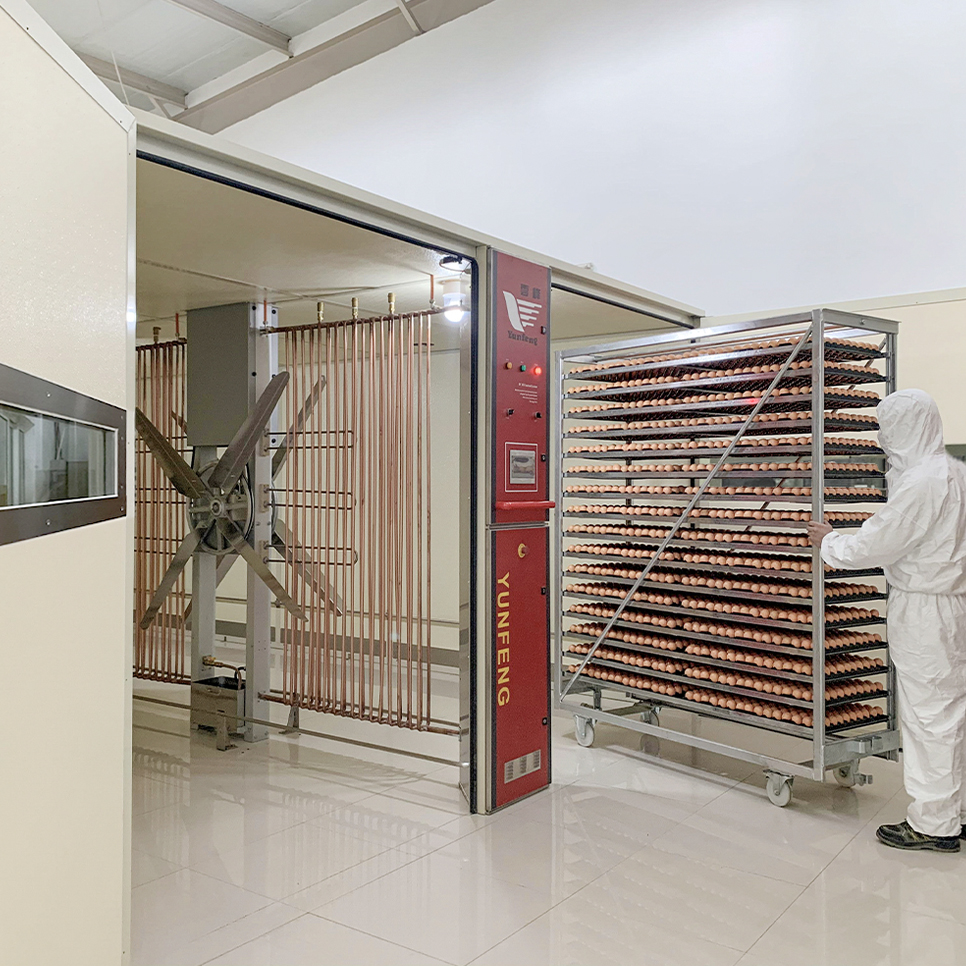
The fundamental mechanism behind improved hatching rates lies in the ability of modern hatchery equipment to maintain optimal environmental conditions with remarkable precision throughout the entire incubation period. Contemporary systems integrate multiple sensors, automated controls, and real-time monitoring capabilities that eliminate the temperature fluctuations, humidity variations, and ventilation inconsistencies that historically caused embryonic mortality. This technological advancement ensures that developing embryos receive the exact environmental conditions they need at each stage of development, dramatically reducing the factors that contribute to failed hatches.
Modern hatchery equipment achieves superior hatching rates through advanced temperature control systems that maintain optimal conditions within extremely narrow tolerances. Traditional incubators often experienced temperature fluctuations of 1-2 degrees Fahrenheit, which can be catastrophic for developing embryos, while contemporary systems maintain stability within 0.1-0.2 degrees. This precision is achieved through sophisticated heating elements, multiple temperature sensors placed strategically throughout the incubation chamber, and computerized control systems that make continuous micro-adjustments.
The temperature control mechanism in advanced hatchery equipment operates through closed-loop feedback systems that monitor conditions hundreds of times per minute. When sensors detect even minimal deviations from the setpoint temperature, the system immediately responds by adjusting heating or cooling elements to restore optimal conditions. This rapid response capability prevents the temperature spikes or drops that can cause embryonic death, particularly during critical development stages when embryos are most vulnerable to environmental stress.
Furthermore, modern systems provide zone-specific temperature control, allowing different areas of large-capacity incubators to maintain slightly different temperatures as needed. This capability is particularly valuable when incubating eggs from different species or when accommodating varying developmental stages within the same machine. The result is consistently higher hatching rates across all eggs, regardless of their position within the incubator.
Humidity control represents another critical mechanism through which modern hatchery equipment improves hatching rates. Advanced systems utilize precision humidity sensors and automated water injection systems to maintain optimal moisture levels throughout the incubation period. Unlike older equipment that relied on manual water pan adjustments, contemporary systems can maintain humidity levels within 1-2% of target values, preventing the excessive moisture loss or retention that leads to hatching failures.
The humidity management system works by continuously monitoring water vapor levels and automatically adding or removing moisture as needed. During the first 18 days of incubation, the system maintains higher humidity levels to prevent excessive water loss from developing embryos, while during the final three days, it reduces humidity to facilitate the hatching process. This automated transition eliminates human error and ensures optimal conditions for both embryo development and successful emergence.
Advanced hatchery equipment also incorporates sophisticated water filtration and sterilization systems that prevent bacterial and fungal contamination, which historically caused significant embryonic mortality. These systems use UV sterilization, filtration, and chemical treatment to ensure that the water used for humidity generation is completely sterile, creating a healthier environment that supports higher hatching rates.
Modern hatchery equipment incorporates sophisticated automated turning systems that ensure optimal embryo positioning throughout the incubation period. These systems rotate eggs at precisely timed intervals, typically every 1-2 hours, preventing the embryo from adhering to the shell membrane and ensuring proper development of all organ systems. The automation eliminates the inconsistency and potential damage associated with manual turning, while maintaining the exact angles and timing required for optimal development.
The turning mechanism operates through computer-controlled motors that provide smooth, gentle rotation at predetermined angles, typically 45 degrees in each direction from vertical. This movement mimics the natural behavior of brooding birds and prevents embryonic malposition, which is a leading cause of hatching failure in traditional systems. The precise timing and consistency of automated turning systems contribute significantly to improved hatching rates by ensuring that all embryos receive optimal positioning throughout their development.
Advanced turning systems also incorporate sensors that monitor the completion of each turning cycle, providing operators with detailed records of turning frequency and identifying any mechanical issues before they impact hatching success. This monitoring capability allows for preventive maintenance and ensures consistent performance across multiple hatching cycles, contributing to sustained improvements in hatching rates over time.
Contemporary hatchery equipment addresses the critical issue of mechanical stress through advanced vibration dampening and gentle handling systems. Excessive vibration can damage developing embryos or disrupt critical developmental processes, leading to reduced hatching rates. Modern systems incorporate isolation mounts, balanced motors, and smooth-operating mechanisms that minimize vibration and mechanical stress throughout the incubation period.
The gentle handling capabilities extend beyond vibration control to include smooth acceleration and deceleration during turning cycles, cushioned egg support systems, and shock-absorbing mounting systems that protect eggs from external disturbances. These features work together to create a stable, stress-free environment that allows embryos to develop without the mechanical disruptions that can cause developmental abnormalities or death.
Quality hatchery equipment also includes emergency backup systems that maintain gentle handling even during power outages or mechanical failures. Battery-powered systems can continue essential functions like temperature maintenance and gentle ventilation, while backup turning systems ensure that eggs remain properly positioned even during equipment maintenance or unexpected shutdowns.
Modern hatchery equipment achieves superior hatching rates through sophisticated ventilation systems that maintain optimal oxygen levels while efficiently removing carbon dioxide and other metabolic waste gases. Advanced systems monitor atmospheric composition continuously and adjust airflow patterns to ensure that developing embryos receive adequate oxygen throughout all developmental stages. This capability is particularly critical during the final days of incubation when oxygen demand increases dramatically as embryos prepare to hatch.
The ventilation system operates through computer-controlled fans and dampers that create carefully designed airflow patterns throughout the incubation chamber. These patterns ensure uniform air distribution, preventing dead zones where carbon dioxide can accumulate or oxygen levels can drop below optimal ranges. The system automatically increases ventilation rates during peak metabolic periods and reduces airflow when quieter conditions are beneficial for embryo development.
Contemporary hatchery equipment also incorporates gas monitoring sensors that provide real-time feedback on oxygen and carbon dioxide levels, allowing the system to make immediate adjustments when atmospheric conditions deviate from optimal ranges. This capability prevents the respiratory stress that can lead to embryonic death or weakened chicks that fail to hatch successfully.
Air quality management in modern hatchery equipment extends beyond gas composition to include comprehensive filtration and contamination prevention systems. HEPA filtration systems remove bacteria, viruses, fungal spores, and other pathogens that can cause embryonic infection and death. These filtration systems operate continuously, ensuring that the air entering the incubation chamber is sterile and free from contaminants that historically caused significant losses in hatching operations.
The filtration system works in conjunction with positive pressure systems that prevent contaminated outside air from entering the incubation chamber through gaps or openings. This comprehensive approach to air quality management creates a sterile environment that supports healthy embryo development and reduces the bacterial and fungal infections that can cause widespread hatching failures in contaminated environments.
Advanced systems also incorporate UV sterilization of incoming air and antimicrobial coatings on interior surfaces to provide additional protection against contamination. These multiple layers of protection work together to create an environment that maximizes embryo survival and supports the highest possible hatching rates.
Modern hatchery equipment incorporates comprehensive computerized monitoring systems that collect and analyze thousands of data points throughout the incubation period. These systems track temperature, humidity, turning cycles, ventilation rates, and other critical parameters, creating detailed records that allow operators to identify trends and optimize settings for maximum hatching success. The continuous data collection capability enables predictive maintenance and early identification of conditions that could negatively impact hatching rates.
The monitoring system operates through networks of sensors connected to central processing units that analyze data in real-time and generate alerts when parameters deviate from optimal ranges. This immediate feedback allows operators to address problems before they impact embryo development, preventing the cascading failures that can devastate entire hatching cycles. The system also maintains historical records that enable long-term analysis and continuous improvement of hatching protocols.
Advanced hatchery equipment includes predictive analytics capabilities that use historical data and machine learning algorithms to anticipate potential problems and recommend optimal settings for specific egg types, seasonal conditions, or operational requirements. This intelligence helps operators achieve consistently high hatching rates by leveraging data from previous successful hatches and identifying the conditions that produce the best results.
Contemporary systems provide remote monitoring capabilities that allow operators to oversee hatchery equipment performance from any location with internet connectivity. Mobile applications and web-based interfaces provide real-time access to all system parameters, enabling immediate response to problems regardless of operator location. This capability is particularly valuable for large operations or facilities that operate during off-hours when on-site supervision may be limited.
The alert system operates through multiple communication channels, including email, text messaging, and phone calls, ensuring that operators receive immediate notification of any conditions that could impact hatching success. The system can differentiate between minor deviations that require attention and critical situations that demand immediate intervention, allowing operators to prioritize their response appropriately.
Remote monitoring also enables centralized oversight of multiple hatchery locations, allowing experienced operators to oversee equipment at several facilities simultaneously. This capability improves consistency across operations and ensures that best practices are implemented uniformly, leading to improved hatching rates across entire corporate hatchery networks.
Advanced hatchery equipment integrates with automated candling systems that monitor embryo development throughout the incubation period without disrupting optimal environmental conditions. These systems use advanced imaging technology to assess embryo viability and development progress, automatically removing non-viable eggs that could negatively impact the incubation environment for healthy embryos. This capability prevents the bacterial contamination and gas production from dead embryos that can reduce overall hatching rates.
The candling integration allows for precise timing of transfers from incubation to hatching chambers, ensuring that embryos are moved at the optimal developmental stage for successful emergence. This timing precision eliminates the guesswork associated with traditional transfer schedules and ensures that each embryo receives the specific environmental conditions it needs during the critical hatching period.
Modern systems also incorporate fertility assessment capabilities that identify and remove infertile eggs early in the incubation process, preventing wasted space and resources while creating optimal conditions for viable embryos. This early removal of non-developing eggs improves space utilization and reduces competition for environmental resources among developing embryos.
Contemporary hatchery equipment includes optimization algorithms that continuously refine operating parameters based on real-time results and historical performance data. These systems analyze the relationship between environmental conditions and hatching outcomes, automatically adjusting settings to maximize success rates for specific egg types, seasonal conditions, or operational requirements. This continuous optimization ensures that the equipment operates at peak efficiency and delivers the highest possible hatching rates.
The optimization system works by comparing actual hatching results with predicted outcomes and identifying the environmental conditions that produced the best results. Machine learning algorithms analyze patterns in the data and recommend adjustments to temperature profiles, humidity schedules, ventilation rates, and turning frequencies to improve future performance. This data-driven approach to optimization eliminates guesswork and ensures that operating procedures are based on proven results rather than traditional practices.
Advanced systems also incorporate feedback from post-hatch chick quality assessments, using information about chick strength, uniformity, and health to refine incubation protocols. This comprehensive approach to optimization considers not only hatching rates but also the quality of hatched chicks, ensuring that improvements in quantity do not come at the expense of chick viability and subsequent performance.
Modern hatchery equipment typically improves hatching rates by 10-20 percentage points compared to traditional systems, with many operations achieving rates of 85-90% or higher. The exact improvement depends on the previous equipment condition, egg quality, and operational practices, but most facilities see significant gains within the first few hatching cycles after equipment upgrades. Advanced systems with comprehensive environmental control and monitoring capabilities often deliver the most substantial improvements, particularly in challenging environmental conditions or with sensitive egg varieties.
Improvements in hatching rates typically become apparent within the first 2-3 hatching cycles after installing modern hatchery equipment, as operators become familiar with the new systems and optimize settings for their specific conditions. The most dramatic improvements usually occur within the first month of operation, though continued optimization through data analysis and system refinement can deliver additional gains over the following 3-6 months. Proper training and system calibration are essential for achieving maximum benefits quickly after installation.
Yes, advanced hatchery equipment is specifically designed to compensate for seasonal variations in ambient temperature, humidity, and other environmental factors that historically caused fluctuating hatching rates throughout the year. Sophisticated environmental control systems automatically adjust heating, cooling, and ventilation to maintain optimal internal conditions regardless of external weather patterns. Many modern systems actually perform better during challenging seasonal conditions than traditional equipment performs during ideal weather, providing year-round consistency that improves overall operational efficiency.
Modern hatchery equipment requires regular preventive maintenance including sensor calibration, filter replacement, and cleaning of air circulation systems to maintain optimal performance and sustained high hatching rates. Most systems include automated maintenance reminders and diagnostic capabilities that identify potential issues before they impact performance. Typical maintenance schedules involve weekly cleaning and inspection routines, monthly calibration checks, and quarterly comprehensive system evaluations. Proper maintenance is essential for sustaining the improved hatching rates that modern equipment can deliver, as even minor deviations in environmental control can significantly impact results.

Beijing Yunfeng Limin Livestock Equipment Co., Ltd.
Copyright © 2026 Beijing Yunfeng Limin Livestock Equipment Co., Ltd. - | Privacy policy
 EN
EN