EN
EN

What is hatchery equipment and how does it work?
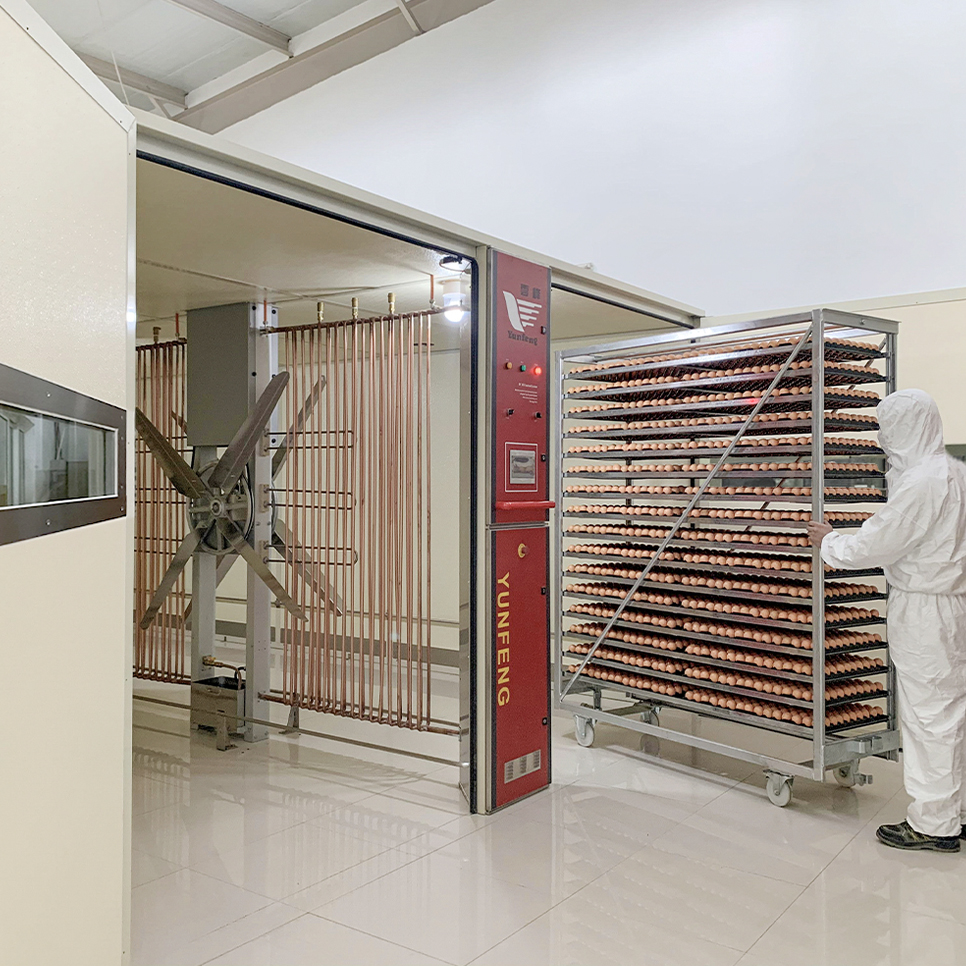
Modern commercial hatcheries rely on sophisticated hatchery equipment to ensure optimal conditions for embryonic development and successful hatching rates. These specialized systems create controlled environments that replicate natural incubation conditions while providing the precision and scalability required for large-scale poultry production. Understanding the fundamental components and operational principles of hatchery equipment enables producers to make informed decisions that directly impact their operational efficiency and profitability. The technology has evolved significantly over decades, incorporating advanced sensors, automated controls, and energy-efficient designs that maximize productivity while minimizing labor requirements.
Essential Components of Professional Hatchery Systems
Incubation Chambers and Environmental Controls
The heart of any hatchery equipment setup lies in its incubation chambers, which maintain precise temperature, humidity, and ventilation parameters throughout the 21-day incubation cycle. These chambers utilize advanced heating systems, typically electric or gas-powered, combined with sophisticated thermostats that can maintain temperature variations within 0.1 degrees Celsius. The internal air circulation systems ensure uniform heat distribution, preventing hot spots or cold zones that could negatively impact embryonic development. Modern incubation chambers also incorporate programmable controllers that automatically adjust environmental parameters based on the specific requirements of different incubation stages.
Humidity control represents another critical aspect of hatchery equipment functionality, typically maintained through steam injection systems or water pan evaporation methods. The relative humidity must be carefully managed, starting at approximately 55-60% during the first 18 days and increasing to 65-75% during the hatching phase. Advanced systems monitor humidity levels continuously and make real-time adjustments to prevent dehydration or excessive moisture accumulation. Ventilation systems work in conjunction with humidity controls to ensure adequate oxygen supply while removing carbon dioxide and other metabolic byproducts that accumulate during incubation.
Egg Handling and Positioning Systems
Professional hatchery equipment incorporates automated egg handling systems that minimize human contact while ensuring proper positioning throughout the incubation process. These systems typically include egg turning mechanisms that rotate eggs at predetermined intervals, usually every hour, to prevent the developing embryo from adhering to the shell membrane. The turning angle generally ranges from 45 to 90 degrees, with some systems offering adjustable parameters based on specific breed requirements or operational preferences.
Modern egg positioning systems utilize gentle, graduated movements that simulate natural nesting conditions without causing stress or damage to developing embryos. The trays and carriers are designed with specific spacing and ventilation patterns that promote optimal airflow around each egg while maintaining structural integrity under full load conditions. Some advanced hatchery equipment models feature individual egg monitoring capabilities, allowing operators to track the progress of each egg throughout the incubation cycle and identify potential issues before they impact overall hatch rates.
Technological Innovations in Modern Hatchery Operations
Digital Monitoring and Control Systems
Contemporary hatchery equipment integrates sophisticated digital monitoring systems that provide real-time data collection and analysis capabilities. These systems typically feature touchscreen interfaces that display critical parameters including temperature profiles, humidity levels, carbon dioxide concentrations, and equipment status indicators. The data logging capabilities enable operators to maintain detailed records for quality control purposes and regulatory compliance requirements. Many systems also offer remote monitoring capabilities, allowing managers to oversee operations from off-site locations and receive immediate alerts if parameters drift outside acceptable ranges.
Advanced control algorithms in modern hatchery equipment utilize predictive modeling to anticipate environmental changes and make preemptive adjustments. These systems learn from historical data patterns and can optimize performance based on seasonal variations, egg batch characteristics, and other relevant factors. The integration of artificial intelligence and machine learning technologies continues to enhance the precision and efficiency of hatchery operations, reducing the need for manual intervention while improving overall productivity outcomes.
Energy Efficiency and Sustainability Features
Modern hatchery equipment incorporates numerous energy-efficient technologies that reduce operational costs while minimizing environmental impact. Heat recovery systems capture and redistribute waste heat from various processes, significantly reducing overall energy consumption. Insulation materials and chamber designs maximize thermal efficiency, while variable-speed fans and pumps adjust power consumption based on real-time demand rather than operating at constant maximum capacity.
LED lighting systems have replaced traditional incandescent bulbs in most modern hatchery equipment configurations, providing better illumination quality while consuming substantially less electricity. Solar panel integration and battery backup systems are becoming increasingly common, allowing facilities to operate independently during power outages or reduce dependence on grid electricity. Water conservation features include closed-loop humidity systems that recycle moisture and condensate recovery mechanisms that minimize waste while maintaining optimal environmental conditions.
Operational Principles and Best Practices
Temperature Management Protocols
Effective temperature management in hatchery equipment requires understanding the specific thermal requirements at different stages of embryonic development. During the first 18 days of incubation, temperatures should be maintained at 99.5°F (37.5°C) with minimal fluctuation to ensure consistent development rates across all eggs in the batch. The equipment must be capable of responding quickly to external temperature changes while maintaining internal stability through proper insulation and heating system design.
During the final three days before hatching, temperature requirements shift slightly to accommodate the changing metabolic needs of fully developed chicks. Many modern hatchery equipment systems automatically implement these temperature transitions based on programmed schedules, reducing the potential for human error and ensuring optimal conditions throughout the entire incubation cycle. Regular calibration of temperature sensors and heating elements is essential for maintaining accuracy and preventing costly losses due to temperature-related developmental problems.
Ventilation and Air Quality Management
Proper ventilation management in hatchery equipment ensures adequate oxygen supply while removing harmful gases and maintaining appropriate carbon dioxide levels. The ventilation system must balance fresh air intake with heat retention to prevent energy waste while maintaining optimal air quality. Most professional systems utilize variable-speed fans that adjust airflow based on real-time gas concentration measurements and temperature differentials.
Air filtration components in hatchery equipment protect developing embryos from airborne pathogens and contaminants that could compromise hatch rates or chick health. HEPA filters and UV sterilization systems are commonly integrated into modern ventilation designs, providing multiple layers of protection against bacterial, viral, and fungal contamination. Regular maintenance of these filtration systems is crucial for maintaining their effectiveness and preventing the accumulation of harmful microorganisms within the incubation environment.
Maintenance and Troubleshooting Guidelines
Preventive Maintenance Schedules
Establishing comprehensive preventive maintenance schedules for hatchery equipment significantly extends equipment lifespan while reducing the likelihood of unexpected failures during critical incubation periods. Daily maintenance tasks typically include visual inspections of temperature and humidity displays, verification of fan operation, and checking for any unusual sounds or vibrations that might indicate developing mechanical issues. Weekly maintenance procedures often involve cleaning air filters, calibrating sensors, and testing alarm systems to ensure proper functionality.
Monthly and quarterly maintenance schedules for hatchery equipment should include thorough cleaning and disinfection of all internal surfaces, replacement of worn components, and comprehensive testing of all safety systems. Documentation of all maintenance activities helps identify patterns that might indicate the need for component replacement or system upgrades. Many manufacturers provide specific maintenance guidelines and schedules tailored to their particular hatchery equipment models, which should be followed closely to maintain warranty coverage and optimal performance.
Common Issues and Resolution Strategies
Temperature fluctuations represent one of the most common issues encountered with hatchery equipment, often resulting from heating element failures, thermostat calibration problems, or inadequate insulation. Identifying the root cause requires systematic testing of individual components and may involve checking electrical connections, replacing sensors, or adjusting control parameters. Keeping spare heating elements and thermostats in inventory enables rapid repairs that minimize disruption to ongoing incubation cycles.
Humidity control problems in hatchery equipment frequently stem from clogged water lines, failed steam generators, or inadequate ventilation that prevents proper moisture regulation. Regular cleaning of humidity generation systems and inspection of water supply lines helps prevent many humidity-related issues. When problems do occur, troubleshooting should begin with verification of water supply pressure and quality, followed by inspection of humidity sensors and control valves for proper operation and calibration.
Selection Criteria for Hatchery Equipment Investment
Capacity and Scalability Considerations
Selecting appropriate hatchery equipment requires careful analysis of current production requirements and future growth projections to ensure adequate capacity without excessive overcapitalization. The equipment capacity should align with anticipated egg volumes while providing flexibility for seasonal variations and market fluctuations. Modular designs offer advantages for operations that expect gradual expansion, allowing additional units to be integrated without disrupting existing production schedules or requiring complete system replacement.
Scalability considerations for hatchery equipment extend beyond simple capacity increases to include compatibility with automated handling systems, integration capabilities with existing infrastructure, and adaptability to different egg sizes or species requirements. Future technological upgrades should also be considered, ensuring that selected equipment can accommodate software updates, sensor improvements, and control system enhancements without requiring complete replacement of major components.
Cost-Benefit Analysis and ROI Projections
Comprehensive cost-benefit analysis for hatchery equipment investment must consider both initial purchase costs and long-term operational expenses including energy consumption, maintenance requirements, and expected component replacement schedules. Higher-quality equipment often commands premium pricing but may offer superior energy efficiency, longer service life, and lower maintenance costs that provide better total cost of ownership over the equipment's operational lifetime.
Return on investment calculations for hatchery equipment should incorporate projected improvements in hatch rates, reduced labor requirements, energy savings, and enhanced production consistency that modern systems typically provide. The analysis should also consider potential revenue increases from improved chick quality and reduced losses due to equipment failures or suboptimal incubation conditions. Financing options and tax incentives for energy-efficient equipment may also impact the overall investment economics and should be factored into the decision-making process.
FAQ
How often should hatchery equipment be calibrated for optimal performance
Hatchery equipment should undergo calibration checks at least monthly for critical sensors like temperature and humidity monitors, with full calibration performed quarterly or as recommended by the manufacturer. High-precision equipment may require more frequent calibration, particularly in commercial operations where small deviations can significantly impact hatch rates and profitability. Environmental factors, equipment age, and usage intensity all influence calibration frequency requirements.
What are the typical energy consumption patterns for modern hatchery equipment
Modern hatchery equipment typically consumes between 0.8 to 1.5 kilowatt-hours per egg during the complete incubation cycle, with energy-efficient models achieving the lower end of this range. Heating systems account for approximately 60-70% of total energy consumption, while ventilation fans and control systems use the remainder. Energy consumption varies based on ambient temperature conditions, equipment age and efficiency ratings, and specific operational parameters.
How long does professional hatchery equipment typically last with proper maintenance
Well-maintained hatchery equipment from reputable manufacturers typically provides 15-20 years of reliable service, with some components lasting longer and others requiring periodic replacement. Heating elements and fans generally need replacement every 5-8 years, while structural components and chambers can last the full equipment lifetime. Regular preventive maintenance, proper cleaning protocols, and timely component replacement significantly extend overall equipment lifespan and maintain optimal performance throughout the operational period.
What safety features should be prioritized when selecting hatchery equipment
Essential safety features for hatchery equipment include redundant temperature monitoring systems, automatic backup heating elements, power failure alarms, and emergency ventilation capabilities. Fire suppression systems, electrical safety interlocks, and operator protection features should also be considered based on facility requirements and local regulations. Modern systems often include remote monitoring capabilities that enable immediate response to emergency conditions even when personnel are not physically present at the facility.
Modern commercial hatcheries rely on sophisticated hatchery equipment to ensure optimal conditions for embryonic development and successful hatching rates. These specialized systems create controlled environments that replicate natural incubation conditions while providing the precision and scalability required for large-scale poultry production. Understanding the fundamental components and operational principles of hatchery equipment enables producers to make informed decisions that directly impact their operational efficiency and profitability. The technology has evolved significantly over decades, incorporating advanced sensors, automated controls, and energy-efficient designs that maximize productivity while minimizing labor requirements.
Essential Components of Professional Hatchery Systems
Incubation Chambers and Environmental Controls
The heart of any hatchery equipment setup lies in its incubation chambers, which maintain precise temperature, humidity, and ventilation parameters throughout the 21-day incubation cycle. These chambers utilize advanced heating systems, typically electric or gas-powered, combined with sophisticated thermostats that can maintain temperature variations within 0.1 degrees Celsius. The internal air circulation systems ensure uniform heat distribution, preventing hot spots or cold zones that could negatively impact embryonic development. Modern incubation chambers also incorporate programmable controllers that automatically adjust environmental parameters based on the specific requirements of different incubation stages.
Humidity control represents another critical aspect of hatchery equipment functionality, typically maintained through steam injection systems or water pan evaporation methods. The relative humidity must be carefully managed, starting at approximately 55-60% during the first 18 days and increasing to 65-75% during the hatching phase. Advanced systems monitor humidity levels continuously and make real-time adjustments to prevent dehydration or excessive moisture accumulation. Ventilation systems work in conjunction with humidity controls to ensure adequate oxygen supply while removing carbon dioxide and other metabolic byproducts that accumulate during incubation.
Egg Handling and Positioning Systems
Professional hatchery equipment incorporates automated egg handling systems that minimize human contact while ensuring proper positioning throughout the incubation process. These systems typically include egg turning mechanisms that rotate eggs at predetermined intervals, usually every hour, to prevent the developing embryo from adhering to the shell membrane. The turning angle generally ranges from 45 to 90 degrees, with some systems offering adjustable parameters based on specific breed requirements or operational preferences.
Modern egg positioning systems utilize gentle, graduated movements that simulate natural nesting conditions without causing stress or damage to developing embryos. The trays and carriers are designed with specific spacing and ventilation patterns that promote optimal airflow around each egg while maintaining structural integrity under full load conditions. Some advanced hatchery equipment models feature individual egg monitoring capabilities, allowing operators to track the progress of each egg throughout the incubation cycle and identify potential issues before they impact overall hatch rates.
Technological Innovations in Modern Hatchery Operations
Digital Monitoring and Control Systems
Contemporary hatchery equipment integrates sophisticated digital monitoring systems that provide real-time data collection and analysis capabilities. These systems typically feature touchscreen interfaces that display critical parameters including temperature profiles, humidity levels, carbon dioxide concentrations, and equipment status indicators. The data logging capabilities enable operators to maintain detailed records for quality control purposes and regulatory compliance requirements. Many systems also offer remote monitoring capabilities, allowing managers to oversee operations from off-site locations and receive immediate alerts if parameters drift outside acceptable ranges.
Advanced control algorithms in modern hatchery equipment utilize predictive modeling to anticipate environmental changes and make preemptive adjustments. These systems learn from historical data patterns and can optimize performance based on seasonal variations, egg batch characteristics, and other relevant factors. The integration of artificial intelligence and machine learning technologies continues to enhance the precision and efficiency of hatchery operations, reducing the need for manual intervention while improving overall productivity outcomes.
Energy Efficiency and Sustainability Features
Modern hatchery equipment incorporates numerous energy-efficient technologies that reduce operational costs while minimizing environmental impact. Heat recovery systems capture and redistribute waste heat from various processes, significantly reducing overall energy consumption. Insulation materials and chamber designs maximize thermal efficiency, while variable-speed fans and pumps adjust power consumption based on real-time demand rather than operating at constant maximum capacity.
LED lighting systems have replaced traditional incandescent bulbs in most modern hatchery equipment configurations, providing better illumination quality while consuming substantially less electricity. Solar panel integration and battery backup systems are becoming increasingly common, allowing facilities to operate independently during power outages or reduce dependence on grid electricity. Water conservation features include closed-loop humidity systems that recycle moisture and condensate recovery mechanisms that minimize waste while maintaining optimal environmental conditions.
Operational Principles and Best Practices
Temperature Management Protocols
Effective temperature management in hatchery equipment requires understanding the specific thermal requirements at different stages of embryonic development. During the first 18 days of incubation, temperatures should be maintained at 99.5°F (37.5°C) with minimal fluctuation to ensure consistent development rates across all eggs in the batch. The equipment must be capable of responding quickly to external temperature changes while maintaining internal stability through proper insulation and heating system design.
During the final three days before hatching, temperature requirements shift slightly to accommodate the changing metabolic needs of fully developed chicks. Many modern hatchery equipment systems automatically implement these temperature transitions based on programmed schedules, reducing the potential for human error and ensuring optimal conditions throughout the entire incubation cycle. Regular calibration of temperature sensors and heating elements is essential for maintaining accuracy and preventing costly losses due to temperature-related developmental problems.
Ventilation and Air Quality Management
Proper ventilation management in hatchery equipment ensures adequate oxygen supply while removing harmful gases and maintaining appropriate carbon dioxide levels. The ventilation system must balance fresh air intake with heat retention to prevent energy waste while maintaining optimal air quality. Most professional systems utilize variable-speed fans that adjust airflow based on real-time gas concentration measurements and temperature differentials.
Air filtration components in hatchery equipment protect developing embryos from airborne pathogens and contaminants that could compromise hatch rates or chick health. HEPA filters and UV sterilization systems are commonly integrated into modern ventilation designs, providing multiple layers of protection against bacterial, viral, and fungal contamination. Regular maintenance of these filtration systems is crucial for maintaining their effectiveness and preventing the accumulation of harmful microorganisms within the incubation environment.
Maintenance and Troubleshooting Guidelines
Preventive Maintenance Schedules
Establishing comprehensive preventive maintenance schedules for hatchery equipment significantly extends equipment lifespan while reducing the likelihood of unexpected failures during critical incubation periods. Daily maintenance tasks typically include visual inspections of temperature and humidity displays, verification of fan operation, and checking for any unusual sounds or vibrations that might indicate developing mechanical issues. Weekly maintenance procedures often involve cleaning air filters, calibrating sensors, and testing alarm systems to ensure proper functionality.
Monthly and quarterly maintenance schedules for hatchery equipment should include thorough cleaning and disinfection of all internal surfaces, replacement of worn components, and comprehensive testing of all safety systems. Documentation of all maintenance activities helps identify patterns that might indicate the need for component replacement or system upgrades. Many manufacturers provide specific maintenance guidelines and schedules tailored to their particular hatchery equipment models, which should be followed closely to maintain warranty coverage and optimal performance.
Common Issues and Resolution Strategies
Temperature fluctuations represent one of the most common issues encountered with hatchery equipment, often resulting from heating element failures, thermostat calibration problems, or inadequate insulation. Identifying the root cause requires systematic testing of individual components and may involve checking electrical connections, replacing sensors, or adjusting control parameters. Keeping spare heating elements and thermostats in inventory enables rapid repairs that minimize disruption to ongoing incubation cycles.
Humidity control problems in hatchery equipment frequently stem from clogged water lines, failed steam generators, or inadequate ventilation that prevents proper moisture regulation. Regular cleaning of humidity generation systems and inspection of water supply lines helps prevent many humidity-related issues. When problems do occur, troubleshooting should begin with verification of water supply pressure and quality, followed by inspection of humidity sensors and control valves for proper operation and calibration.
Selection Criteria for Hatchery Equipment Investment
Capacity and Scalability Considerations
Selecting appropriate hatchery equipment requires careful analysis of current production requirements and future growth projections to ensure adequate capacity without excessive overcapitalization. The equipment capacity should align with anticipated egg volumes while providing flexibility for seasonal variations and market fluctuations. Modular designs offer advantages for operations that expect gradual expansion, allowing additional units to be integrated without disrupting existing production schedules or requiring complete system replacement.
Scalability considerations for hatchery equipment extend beyond simple capacity increases to include compatibility with automated handling systems, integration capabilities with existing infrastructure, and adaptability to different egg sizes or species requirements. Future technological upgrades should also be considered, ensuring that selected equipment can accommodate software updates, sensor improvements, and control system enhancements without requiring complete replacement of major components.
Cost-Benefit Analysis and ROI Projections
Comprehensive cost-benefit analysis for hatchery equipment investment must consider both initial purchase costs and long-term operational expenses including energy consumption, maintenance requirements, and expected component replacement schedules. Higher-quality equipment often commands premium pricing but may offer superior energy efficiency, longer service life, and lower maintenance costs that provide better total cost of ownership over the equipment's operational lifetime.
Return on investment calculations for hatchery equipment should incorporate projected improvements in hatch rates, reduced labor requirements, energy savings, and enhanced production consistency that modern systems typically provide. The analysis should also consider potential revenue increases from improved chick quality and reduced losses due to equipment failures or suboptimal incubation conditions. Financing options and tax incentives for energy-efficient equipment may also impact the overall investment economics and should be factored into the decision-making process.
FAQ
How often should hatchery equipment be calibrated for optimal performance
Hatchery equipment should undergo calibration checks at least monthly for critical sensors like temperature and humidity monitors, with full calibration performed quarterly or as recommended by the manufacturer. High-precision equipment may require more frequent calibration, particularly in commercial operations where small deviations can significantly impact hatch rates and profitability. Environmental factors, equipment age, and usage intensity all influence calibration frequency requirements.
What are the typical energy consumption patterns for modern hatchery equipment
Modern hatchery equipment typically consumes between 0.8 to 1.5 kilowatt-hours per egg during the complete incubation cycle, with energy-efficient models achieving the lower end of this range. Heating systems account for approximately 60-70% of total energy consumption, while ventilation fans and control systems use the remainder. Energy consumption varies based on ambient temperature conditions, equipment age and efficiency ratings, and specific operational parameters.
How long does professional hatchery equipment typically last with proper maintenance
Well-maintained hatchery equipment from reputable manufacturers typically provides 15-20 years of reliable service, with some components lasting longer and others requiring periodic replacement. Heating elements and fans generally need replacement every 5-8 years, while structural components and chambers can last the full equipment lifetime. Regular preventive maintenance, proper cleaning protocols, and timely component replacement significantly extend overall equipment lifespan and maintain optimal performance throughout the operational period.
What safety features should be prioritized when selecting hatchery equipment
Essential safety features for hatchery equipment include redundant temperature monitoring systems, automatic backup heating elements, power failure alarms, and emergency ventilation capabilities. Fire suppression systems, electrical safety interlocks, and operator protection features should also be considered based on facility requirements and local regulations. Modern systems often include remote monitoring capabilities that enable immediate response to emergency conditions even when personnel are not physically present at the facility.