EN
EN


Why Are Biosecurity Practices Critical Inside Poultry Hatcheries Today
Modern poultry hatcheries face unprecedented challenges in maintaining pathogen-free environments while meeting global demand for healthy chicks. Biosecurity practices have evolved from basic hygiene protocols to comprehensive disease prevention systems that protect entire production chains from devastating outbreaks. Today's commercial poultry hatcheries must implement rigorous biosecurity measures to safeguard billions of eggs and chicks from bacterial, viral, and fungal contamination that could destroy entire hatches within hours.
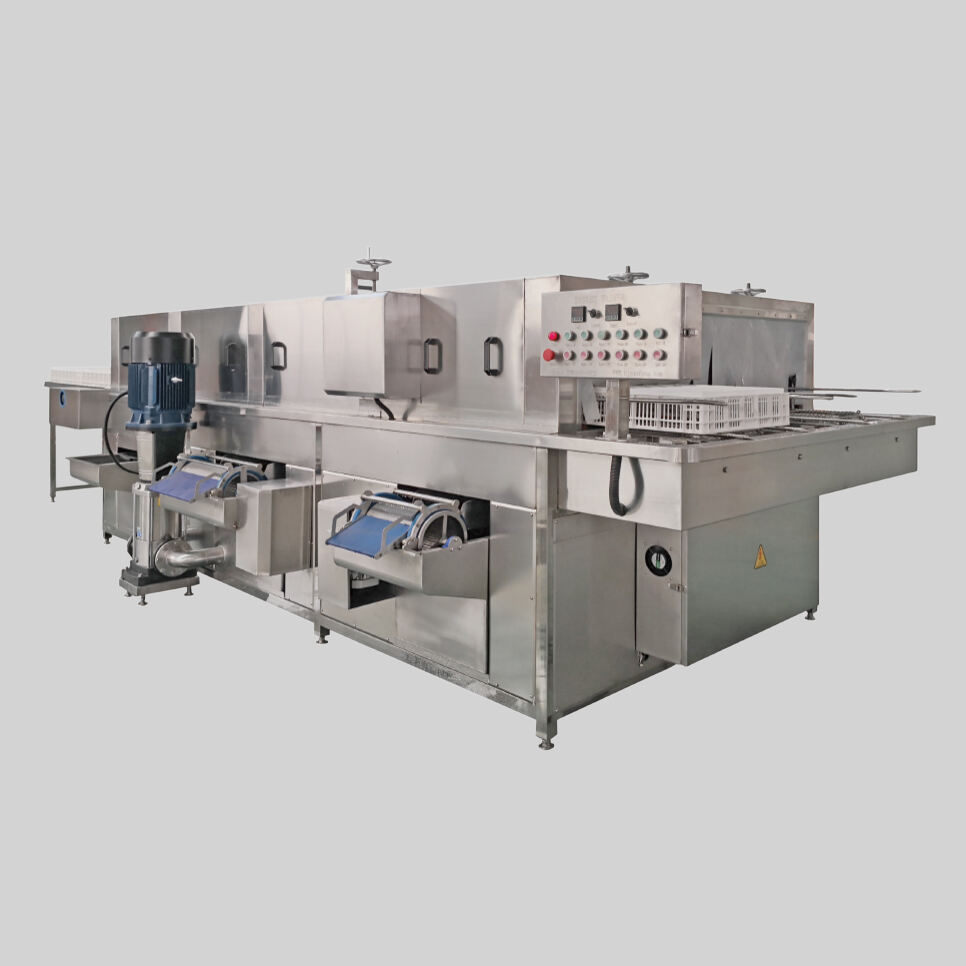
The critical importance of biosecurity in poultry hatcheries extends far beyond individual facilities to impact global food security, economic stability, and public health. When biosecurity failures occur in major commercial poultry hatcheries, the consequences ripple through supply chains, affecting everything from local grocery prices to international trade relationships. Understanding why these practices are essential requires examining the complex pathogen landscape, economic vulnerabilities, and regulatory pressures that define modern hatchery operations.
Pathogen Prevention in High-Risk Hatchery Environments
Microbial Contamination Threats in Poultry Hatcheries
Poultry hatcheries create ideal conditions for pathogen multiplication through their warm, humid environments designed to optimize embryonic development. Salmonella, E. coli, Aspergillus, and various viral agents thrive in these conditions, capable of contaminating thousands of eggs simultaneously through airborne transmission, surface contact, or vertical transmission from infected breeder flocks. Commercial poultry hatcheries must maintain strict environmental controls because a single contaminated egg can spread pathogens throughout entire incubation chambers, destroying weeks of production within days.
The enclosed nature of modern poultry hatcheries amplifies contamination risks as pathogens circulate through shared ventilation systems, water supplies, and handling equipment. Bacterial biofilms form rapidly on hatchery surfaces, creating persistent reservoirs that standard cleaning cannot eliminate without specialized protocols. These microbial communities protect pathogens from disinfectants and antibiotics, making prevention through comprehensive biosecurity the only reliable defense strategy for maintaining pathogen-free environments.
Cross-contamination between production cycles represents a persistent threat in poultry hatcheries where equipment reuse and facility turnover create multiple exposure points. Incubation baskets, egg handling systems, and ventilation networks can harbor pathogens between batches unless proper decontamination procedures eliminate all microbial residues. Advanced poultry hatcheries now implement systematic equipment washing and disinfection protocols that address these contamination pathways through automated cleaning systems and validated sanitization procedures.
Airborne Disease Transmission Pathways
Airborne pathogens pose unique challenges in poultry hatcheries where forced ventilation systems necessary for temperature and humidity control can rapidly distribute contaminated particles throughout facilities. Respiratory viruses, fungal spores, and bacterial aerosols travel through air handling systems, contaminating clean areas and compromising entire production runs. Effective biosecurity requires sophisticated air filtration, positive pressure systems, and compartmentalization strategies that prevent pathogen circulation while maintaining optimal incubation conditions.
The physics of airborne transmission in poultry hatcheries demands careful attention to air flow patterns, particle settling rates, and ventilation system design. Contaminated dust particles can remain suspended for hours in poorly designed facilities, creating ongoing exposure risks for eggs, chicks, and personnel. Modern poultry hatcheries invest in HEPA filtration systems, ultraviolet air sanitization, and carefully engineered ventilation patterns that minimize contamination risks while preserving the environmental conditions essential for successful hatching operations.
Economic Impact of Biosecurity Failures
Production Losses from Disease Outbreaks
Disease outbreaks in poultry hatcheries generate immediate and devastating economic losses that extend far beyond the value of destroyed eggs and chicks. A single contamination event can eliminate entire weekly production runs, representing hundreds of thousands of dollars in direct losses for commercial operations. Major poultry hatcheries face additional costs from emergency cleaning, facility decontamination, regulatory investigations, and extended downtime required to restore pathogen-free operations.
The cascading financial impact affects every aspect of integrated poultry operations when hatchery biosecurity fails. Broiler farms lose scheduled chick deliveries, disrupting grow-out cycles and feed utilization schedules. Processing plants face reduced throughput and increased overhead costs per unit. Retail partners experience supply shortages and price volatility that damages customer relationships and market positioning. These downstream effects multiply the initial hatchery losses by factors of ten or more in complex poultry production systems.
Insurance coverage rarely compensates fully for biosecurity-related losses in poultry hatcheries because policies exclude many disease-related damages and business interruption costs. Recovery periods extend for months as facilities rebuild breeding stock, restore customer confidence, and implement enhanced biosecurity measures required by regulatory agencies. The total economic impact of major outbreaks often exceeds the annual operating budgets of affected hatcheries, driving some operations into bankruptcy and forcing industry consolidation.
Market Disruption and Supply Chain Consequences
Biosecurity failures in large commercial poultry hatcheries disrupt regional and national poultry markets through sudden supply contractions that affect pricing, availability, and consumer confidence. When major facilities experience disease outbreaks, the immediate reduction in chick supplies forces producers to compete for limited alternatives, driving up costs throughout the supply chain. These market disruptions can persist for months as replacement capacity comes online and breeding stocks rebuild to normal production levels.
International trade implications emerge when biosecurity incidents in poultry hatcheries trigger import restrictions and export bans that affect entire national poultry industries. Trading partners implement precautionary measures that can close markets for years, even after local outbreaks are contained and eliminated. The reputational damage to national poultry sectors requires extensive regulatory reforms, enhanced monitoring systems, and diplomatic negotiations to restore market access and trading relationships.
Regulatory Compliance and Legal Requirements
Government Standards for Hatchery Biosecurity
Regulatory frameworks governing poultry hatcheries have evolved into comprehensive biosecurity mandates that address facility design, operational procedures, personnel training, and monitoring requirements. Government agencies now require detailed biosecurity plans that document pathogen prevention strategies, emergency response procedures, and continuous improvement protocols. These regulations establish minimum standards for equipment sanitization, environmental controls, visitor restrictions, and record-keeping that commercial poultry hatcheries must implement to maintain operating licenses.
Inspection and enforcement programs ensure that poultry hatcheries comply with established biosecurity standards through regular facility audits, documentation reviews, and performance assessments. Regulatory violations can result in immediate facility closures, financial penalties, and mandatory remediation programs that disrupt operations for extended periods. The regulatory landscape continues expanding as agencies respond to emerging disease threats, international trade requirements, and consumer safety concerns that demand higher biosecurity standards.
Compliance costs represent significant operational expenses for poultry hatcheries as facilities invest in specialized equipment, training programs, monitoring systems, and documentation procedures required by regulatory standards. However, these investments provide essential protection against far greater losses from disease outbreaks, regulatory enforcement actions, and market disruptions that could eliminate businesses entirely. Forward-thinking poultry hatcheries view regulatory compliance as a competitive advantage that demonstrates their commitment to sustainable, responsible production practices.
Liability and Insurance Considerations
Legal liability exposure for poultry hatcheries extends beyond direct customers to include downstream processors, retailers, and consumers who may suffer damages from contaminated products. Negligent biosecurity practices can result in lawsuits claiming economic losses, property damage, and public health impacts that generate millions of dollars in damage awards. Professional liability insurance for poultry hatcheries now requires demonstrated compliance with industry biosecurity standards as a condition of coverage.
Product liability claims against poultry hatcheries increasingly focus on biosecurity adequacy when contaminated chicks cause disease outbreaks in customer facilities. Courts examine whether hatcheries maintained appropriate pathogen prevention measures, followed established protocols, and provided adequate warnings about contamination risks. These legal precedents create strong incentives for comprehensive biosecurity programs that can withstand judicial scrutiny and demonstrate due diligence in pathogen prevention efforts.
Technology Integration for Enhanced Protection
Automated Cleaning and Disinfection Systems
Advanced automation technologies revolutionize biosecurity practices in modern poultry hatcheries through precision cleaning systems that eliminate human error and ensure consistent pathogen elimination. Robotic washing systems clean and disinfect incubation equipment with programmed precision that removes organic debris, applies sanitizing agents, and validates cleaning effectiveness through integrated monitoring sensors. These automated systems operate continuously between production cycles, maintaining pathogen-free environments without the variability associated with manual cleaning procedures.
Integration of Internet of Things sensors and data analytics enables real-time monitoring of cleaning performance, disinfectant concentrations, and equipment sanitization status throughout poultry hatcheries. Automated systems generate detailed logs that document cleaning cycles, chemical applications, and validation tests that satisfy regulatory requirements while providing operational managers with comprehensive oversight of biosecurity compliance. This technology-driven approach eliminates guesswork and ensures that every piece of equipment receives appropriate decontamination before reuse in production cycles.
Cost-effectiveness of automated cleaning systems improves over time as labor savings, reduced chemical waste, and prevented contamination events offset initial capital investments. Modern poultry hatcheries calculate return on investment periods of 18-24 months for comprehensive automation upgrades that include robotic cleaning, automated disinfection, and integrated monitoring systems. The consistency and reliability of automated biosecurity systems provide long-term value through reduced insurance premiums, regulatory compliance assurance, and enhanced operational efficiency.
Environmental Monitoring and Control Technologies
Sophisticated environmental monitoring systems provide continuous oversight of critical biosecurity parameters in poultry hatcheries including air quality, surface contamination, water purity, and microbial populations. Advanced sensor networks detect pathogen presence, monitor disinfectant effectiveness, and identify potential contamination sources before they can impact production operations. These monitoring capabilities enable proactive biosecurity management that prevents problems rather than responding to contamination events after they occur.
Predictive analytics algorithms process environmental data from poultry hatcheries to identify contamination risk patterns, optimize cleaning schedules, and recommend preventive interventions. Machine learning systems analyze historical contamination events, environmental conditions, and operational variables to predict when biosecurity failures are most likely to occur. This predictive capability allows hatchery managers to implement enhanced precautions during high-risk periods and allocate biosecurity resources more effectively.
FAQ
What are the most common biosecurity failures in poultry hatcheries?
The most frequent biosecurity failures in poultry hatcheries include inadequate equipment cleaning between production cycles, improper personnel hygiene protocols, contaminated water systems, and insufficient air filtration. Cross-contamination from dirty incubation baskets represents a particularly common problem because manual cleaning often misses biofilm deposits that harbor pathogens. Effective biosecurity requires systematic equipment washing, validated disinfection procedures, and automated monitoring systems that eliminate these common failure points.
How do biosecurity costs compare to potential outbreak losses?
Comprehensive biosecurity programs typically cost 2-4% of annual operating budgets for commercial poultry hatcheries, while major disease outbreaks can generate losses exceeding 50-100% of annual revenues. The cost-benefit analysis strongly favors proactive biosecurity investment because prevention costs are predictable and manageable, while outbreak losses are catastrophic and unpredictable. Insurance coverage rarely compensates fully for disease-related losses, making prevention through robust biosecurity the only financially sound strategy for sustainable operations.
What role does employee training play in hatchery biosecurity?
Employee training forms the foundation of effective biosecurity in poultry hatcheries because human behavior determines whether protocols are followed consistently and correctly. Comprehensive training programs must address pathogen transmission pathways, proper use of personal protective equipment, equipment sanitization procedures, and emergency response protocols. Regular retraining and competency assessments ensure that all personnel understand their critical role in maintaining pathogen-free environments and preventing contamination events that could destroy entire production runs.
How often should poultry hatcheries update their biosecurity protocols?
Poultry hatcheries should review and update biosecurity protocols annually to address emerging disease threats, regulatory changes, and operational improvements. However, significant updates may be required more frequently following disease outbreaks, facility modifications, or new pathogen discoveries that affect industry practices. Continuous improvement approaches incorporate lessons learned from contamination events, advances in cleaning technology, and evolving regulatory requirements to maintain state-of-the-art biosecurity programs that protect against current and future threats.
Modern poultry hatcheries face unprecedented challenges in maintaining pathogen-free environments while meeting global demand for healthy chicks. Biosecurity practices have evolved from basic hygiene protocols to comprehensive disease prevention systems that protect entire production chains from devastating outbreaks. Today's commercial poultry hatcheries must implement rigorous biosecurity measures to safeguard billions of eggs and chicks from bacterial, viral, and fungal contamination that could destroy entire hatches within hours.
The critical importance of biosecurity in poultry hatcheries extends far beyond individual facilities to impact global food security, economic stability, and public health. When biosecurity failures occur in major commercial poultry hatcheries, the consequences ripple through supply chains, affecting everything from local grocery prices to international trade relationships. Understanding why these practices are essential requires examining the complex pathogen landscape, economic vulnerabilities, and regulatory pressures that define modern hatchery operations.
Pathogen Prevention in High-Risk Hatchery Environments
Microbial Contamination Threats in Poultry Hatcheries
Poultry hatcheries create ideal conditions for pathogen multiplication through their warm, humid environments designed to optimize embryonic development. Salmonella, E. coli, Aspergillus, and various viral agents thrive in these conditions, capable of contaminating thousands of eggs simultaneously through airborne transmission, surface contact, or vertical transmission from infected breeder flocks. Commercial poultry hatcheries must maintain strict environmental controls because a single contaminated egg can spread pathogens throughout entire incubation chambers, destroying weeks of production within days.
The enclosed nature of modern poultry hatcheries amplifies contamination risks as pathogens circulate through shared ventilation systems, water supplies, and handling equipment. Bacterial biofilms form rapidly on hatchery surfaces, creating persistent reservoirs that standard cleaning cannot eliminate without specialized protocols. These microbial communities protect pathogens from disinfectants and antibiotics, making prevention through comprehensive biosecurity the only reliable defense strategy for maintaining pathogen-free environments.
Cross-contamination between production cycles represents a persistent threat in poultry hatcheries where equipment reuse and facility turnover create multiple exposure points. Incubation baskets, egg handling systems, and ventilation networks can harbor pathogens between batches unless proper decontamination procedures eliminate all microbial residues. Advanced poultry hatcheries now implement systematic equipment washing and disinfection protocols that address these contamination pathways through automated cleaning systems and validated sanitization procedures.
Airborne Disease Transmission Pathways
Airborne pathogens pose unique challenges in poultry hatcheries where forced ventilation systems necessary for temperature and humidity control can rapidly distribute contaminated particles throughout facilities. Respiratory viruses, fungal spores, and bacterial aerosols travel through air handling systems, contaminating clean areas and compromising entire production runs. Effective biosecurity requires sophisticated air filtration, positive pressure systems, and compartmentalization strategies that prevent pathogen circulation while maintaining optimal incubation conditions.
The physics of airborne transmission in poultry hatcheries demands careful attention to air flow patterns, particle settling rates, and ventilation system design. Contaminated dust particles can remain suspended for hours in poorly designed facilities, creating ongoing exposure risks for eggs, chicks, and personnel. Modern poultry hatcheries invest in HEPA filtration systems, ultraviolet air sanitization, and carefully engineered ventilation patterns that minimize contamination risks while preserving the environmental conditions essential for successful hatching operations.
Economic Impact of Biosecurity Failures
Production Losses from Disease Outbreaks
Disease outbreaks in poultry hatcheries generate immediate and devastating economic losses that extend far beyond the value of destroyed eggs and chicks. A single contamination event can eliminate entire weekly production runs, representing hundreds of thousands of dollars in direct losses for commercial operations. Major poultry hatcheries face additional costs from emergency cleaning, facility decontamination, regulatory investigations, and extended downtime required to restore pathogen-free operations.
The cascading financial impact affects every aspect of integrated poultry operations when hatchery biosecurity fails. Broiler farms lose scheduled chick deliveries, disrupting grow-out cycles and feed utilization schedules. Processing plants face reduced throughput and increased overhead costs per unit. Retail partners experience supply shortages and price volatility that damages customer relationships and market positioning. These downstream effects multiply the initial hatchery losses by factors of ten or more in complex poultry production systems.
Insurance coverage rarely compensates fully for biosecurity-related losses in poultry hatcheries because policies exclude many disease-related damages and business interruption costs. Recovery periods extend for months as facilities rebuild breeding stock, restore customer confidence, and implement enhanced biosecurity measures required by regulatory agencies. The total economic impact of major outbreaks often exceeds the annual operating budgets of affected hatcheries, driving some operations into bankruptcy and forcing industry consolidation.
Market Disruption and Supply Chain Consequences
Biosecurity failures in large commercial poultry hatcheries disrupt regional and national poultry markets through sudden supply contractions that affect pricing, availability, and consumer confidence. When major facilities experience disease outbreaks, the immediate reduction in chick supplies forces producers to compete for limited alternatives, driving up costs throughout the supply chain. These market disruptions can persist for months as replacement capacity comes online and breeding stocks rebuild to normal production levels.
International trade implications emerge when biosecurity incidents in poultry hatcheries trigger import restrictions and export bans that affect entire national poultry industries. Trading partners implement precautionary measures that can close markets for years, even after local outbreaks are contained and eliminated. The reputational damage to national poultry sectors requires extensive regulatory reforms, enhanced monitoring systems, and diplomatic negotiations to restore market access and trading relationships.
Regulatory Compliance and Legal Requirements
Government Standards for Hatchery Biosecurity
Regulatory frameworks governing poultry hatcheries have evolved into comprehensive biosecurity mandates that address facility design, operational procedures, personnel training, and monitoring requirements. Government agencies now require detailed biosecurity plans that document pathogen prevention strategies, emergency response procedures, and continuous improvement protocols. These regulations establish minimum standards for equipment sanitization, environmental controls, visitor restrictions, and record-keeping that commercial poultry hatcheries must implement to maintain operating licenses.
Inspection and enforcement programs ensure that poultry hatcheries comply with established biosecurity standards through regular facility audits, documentation reviews, and performance assessments. Regulatory violations can result in immediate facility closures, financial penalties, and mandatory remediation programs that disrupt operations for extended periods. The regulatory landscape continues expanding as agencies respond to emerging disease threats, international trade requirements, and consumer safety concerns that demand higher biosecurity standards.
Compliance costs represent significant operational expenses for poultry hatcheries as facilities invest in specialized equipment, training programs, monitoring systems, and documentation procedures required by regulatory standards. However, these investments provide essential protection against far greater losses from disease outbreaks, regulatory enforcement actions, and market disruptions that could eliminate businesses entirely. Forward-thinking poultry hatcheries view regulatory compliance as a competitive advantage that demonstrates their commitment to sustainable, responsible production practices.
Liability and Insurance Considerations
Legal liability exposure for poultry hatcheries extends beyond direct customers to include downstream processors, retailers, and consumers who may suffer damages from contaminated products. Negligent biosecurity practices can result in lawsuits claiming economic losses, property damage, and public health impacts that generate millions of dollars in damage awards. Professional liability insurance for poultry hatcheries now requires demonstrated compliance with industry biosecurity standards as a condition of coverage.
Product liability claims against poultry hatcheries increasingly focus on biosecurity adequacy when contaminated chicks cause disease outbreaks in customer facilities. Courts examine whether hatcheries maintained appropriate pathogen prevention measures, followed established protocols, and provided adequate warnings about contamination risks. These legal precedents create strong incentives for comprehensive biosecurity programs that can withstand judicial scrutiny and demonstrate due diligence in pathogen prevention efforts.
Technology Integration for Enhanced Protection
Automated Cleaning and Disinfection Systems
Advanced automation technologies revolutionize biosecurity practices in modern poultry hatcheries through precision cleaning systems that eliminate human error and ensure consistent pathogen elimination. Robotic washing systems clean and disinfect incubation equipment with programmed precision that removes organic debris, applies sanitizing agents, and validates cleaning effectiveness through integrated monitoring sensors. These automated systems operate continuously between production cycles, maintaining pathogen-free environments without the variability associated with manual cleaning procedures.
Integration of Internet of Things sensors and data analytics enables real-time monitoring of cleaning performance, disinfectant concentrations, and equipment sanitization status throughout poultry hatcheries. Automated systems generate detailed logs that document cleaning cycles, chemical applications, and validation tests that satisfy regulatory requirements while providing operational managers with comprehensive oversight of biosecurity compliance. This technology-driven approach eliminates guesswork and ensures that every piece of equipment receives appropriate decontamination before reuse in production cycles.
Cost-effectiveness of automated cleaning systems improves over time as labor savings, reduced chemical waste, and prevented contamination events offset initial capital investments. Modern poultry hatcheries calculate return on investment periods of 18-24 months for comprehensive automation upgrades that include robotic cleaning, automated disinfection, and integrated monitoring systems. The consistency and reliability of automated biosecurity systems provide long-term value through reduced insurance premiums, regulatory compliance assurance, and enhanced operational efficiency.
Environmental Monitoring and Control Technologies
Sophisticated environmental monitoring systems provide continuous oversight of critical biosecurity parameters in poultry hatcheries including air quality, surface contamination, water purity, and microbial populations. Advanced sensor networks detect pathogen presence, monitor disinfectant effectiveness, and identify potential contamination sources before they can impact production operations. These monitoring capabilities enable proactive biosecurity management that prevents problems rather than responding to contamination events after they occur.
Predictive analytics algorithms process environmental data from poultry hatcheries to identify contamination risk patterns, optimize cleaning schedules, and recommend preventive interventions. Machine learning systems analyze historical contamination events, environmental conditions, and operational variables to predict when biosecurity failures are most likely to occur. This predictive capability allows hatchery managers to implement enhanced precautions during high-risk periods and allocate biosecurity resources more effectively.
FAQ
What are the most common biosecurity failures in poultry hatcheries?
The most frequent biosecurity failures in poultry hatcheries include inadequate equipment cleaning between production cycles, improper personnel hygiene protocols, contaminated water systems, and insufficient air filtration. Cross-contamination from dirty incubation baskets represents a particularly common problem because manual cleaning often misses biofilm deposits that harbor pathogens. Effective biosecurity requires systematic equipment washing, validated disinfection procedures, and automated monitoring systems that eliminate these common failure points.
How do biosecurity costs compare to potential outbreak losses?
Comprehensive biosecurity programs typically cost 2-4% of annual operating budgets for commercial poultry hatcheries, while major disease outbreaks can generate losses exceeding 50-100% of annual revenues. The cost-benefit analysis strongly favors proactive biosecurity investment because prevention costs are predictable and manageable, while outbreak losses are catastrophic and unpredictable. Insurance coverage rarely compensates fully for disease-related losses, making prevention through robust biosecurity the only financially sound strategy for sustainable operations.
What role does employee training play in hatchery biosecurity?
Employee training forms the foundation of effective biosecurity in poultry hatcheries because human behavior determines whether protocols are followed consistently and correctly. Comprehensive training programs must address pathogen transmission pathways, proper use of personal protective equipment, equipment sanitization procedures, and emergency response protocols. Regular retraining and competency assessments ensure that all personnel understand their critical role in maintaining pathogen-free environments and preventing contamination events that could destroy entire production runs.
How often should poultry hatcheries update their biosecurity protocols?
Poultry hatcheries should review and update biosecurity protocols annually to address emerging disease threats, regulatory changes, and operational improvements. However, significant updates may be required more frequently following disease outbreaks, facility modifications, or new pathogen discoveries that affect industry practices. Continuous improvement approaches incorporate lessons learned from contamination events, advances in cleaning technology, and evolving regulatory requirements to maintain state-of-the-art biosecurity programs that protect against current and future threats.