EN
EN

How to select the right egg incubator for your needs?
Selecting the right egg incubator is a critical decision that can significantly impact your hatching success rates and overall poultry or reptile breeding operations. Whether you're a hobbyist looking to hatch a few eggs at home or a commercial breeder managing large-scale operations, understanding the key factors involved in choosing an egg incubator will help you make an informed investment. The market offers numerous options with varying features, capacities, and price points, making it essential to evaluate your specific needs before making a purchase. Modern egg incubator technology has evolved considerably, providing more precise temperature and humidity controls that can dramatically improve hatch rates across different species.
Understanding Egg Incubator Types and Technologies
Still Air Versus Forced Air Systems
The fundamental distinction between still air and forced air egg incubator systems affects temperature distribution and overall hatching performance. Still air incubators rely on natural convection to circulate warm air, creating temperature gradients within the chamber that require careful positioning of eggs. These systems typically cost less initially but may produce uneven heating patterns that can reduce hatch rates. The temperature differential between the top and bottom of a still air egg incubator can be several degrees, requiring operators to monitor multiple zones carefully.
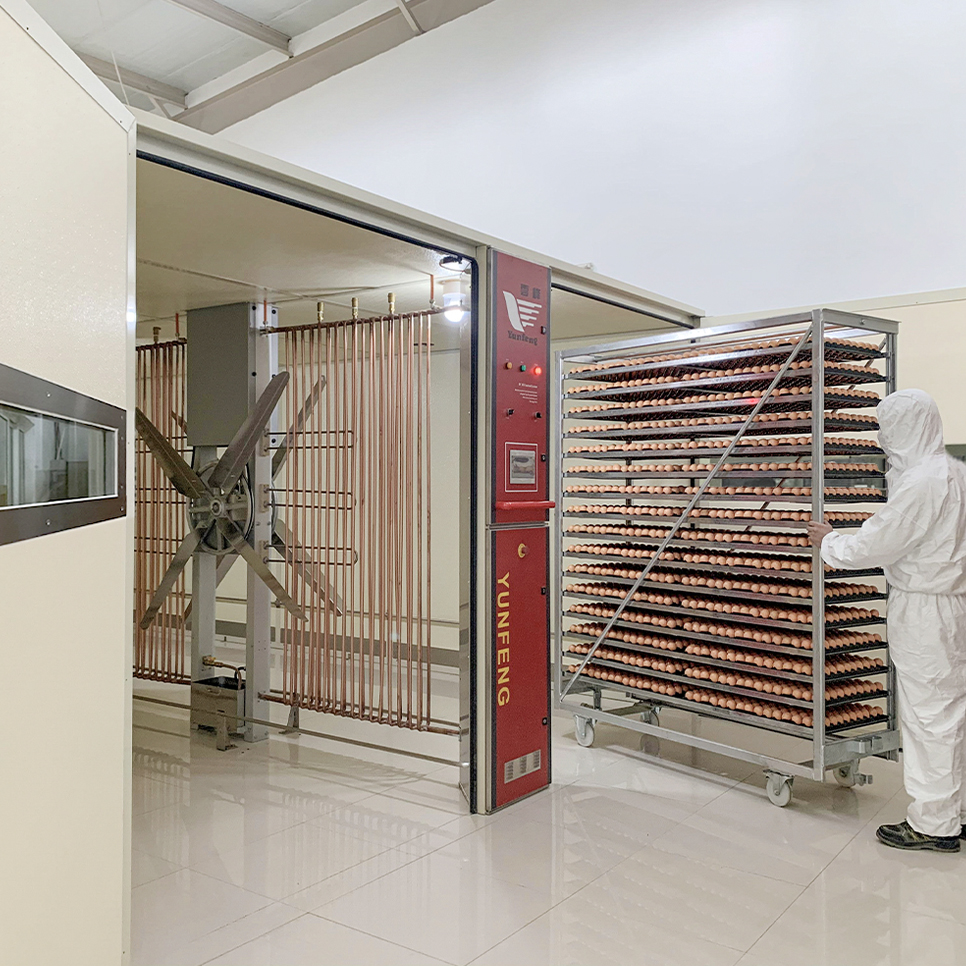
Forced air incubators incorporate fans to circulate heated air throughout the chamber, creating more uniform temperature conditions. This technology eliminates hot and cold spots that commonly occur in still air systems, resulting in more consistent development across all eggs. Professional breeders often prefer forced air systems because they provide better control over environmental conditions and typically achieve higher hatch rates. The improved air circulation also helps maintain proper humidity levels more effectively throughout the incubation period.
Digital Controls and Automation Features
Modern egg incubator designs incorporate sophisticated digital control systems that monitor and adjust temperature, humidity, and turning mechanisms automatically. These advanced controls eliminate much of the guesswork involved in traditional incubation methods, allowing operators to set precise parameters and maintain them consistently. Digital displays provide real-time feedback on all critical environmental factors, enabling quick adjustments when conditions drift outside optimal ranges. Many contemporary models also include alarm systems that alert operators to potential problems before they affect egg viability.
Programmable features in advanced egg incubator models allow users to customize incubation profiles for different species and development stages. These systems can automatically adjust temperature and humidity according to predetermined schedules, accommodating the specific needs of various egg types. Some models even include data logging capabilities that record environmental conditions throughout the incubation cycle, providing valuable information for optimizing future hatching efforts. The integration of smartphone connectivity in premium models enables remote monitoring and control of incubation parameters.
Capacity Planning and Size Considerations
Determining Your Hatching Volume Requirements
Calculating the appropriate capacity for your egg incubator requires careful consideration of your current and future hatching needs. Small-scale hobbyists may find that compact models holding 20 to 50 eggs meet their requirements adequately, while commercial operations often need units capable of handling hundreds or thousands of eggs simultaneously. It's important to consider seasonal variations in breeding activity and plan for peak production periods when selecting capacity. Purchasing an egg incubator with slightly more capacity than currently needed can accommodate business growth and prevent the need for frequent upgrades.
The physical dimensions of your available space will also influence your capacity decisions, as larger incubators require adequate ventilation clearances and accessible locations for maintenance. Consider the weight of fully loaded units, especially when planning installation on elevated surfaces or in buildings with floor load restrictions. Many operators find that multiple smaller egg incubator units provide more flexibility than single large systems, allowing for staggered hatching schedules and species separation. This approach also provides redundancy in case of equipment failure, protecting valuable breeding stock from total loss.
Egg Size and Species Compatibility
Different egg sizes require specific spacing and rack configurations within the incubator chamber, making species compatibility an important selection criterion. Chicken eggs represent the standard size for most egg incubator designs, but units intended for waterfowl, game birds, or reptiles may require different internal arrangements. The adjustable rack systems in versatile models allow operators to modify spacing for various egg sizes, maximizing capacity utilization across different species. Understanding the specific dimensional requirements of your target species ensures optimal use of available incubator space.
Some specialized applications require custom rack configurations or modified environmental parameters that standard egg incubator models cannot accommodate effectively. Reptile eggs, for example, often need different substrate materials and humidity levels compared to avian species. Research the specific incubation requirements for your intended species before selecting equipment, as some may require specialized models designed for particular applications. The flexibility to adapt rack configurations becomes particularly valuable for operations working with multiple species or varying seasonal production focuses.
Environmental Control and Monitoring Systems
Temperature Precision and Stability
Maintaining precise temperature control represents one of the most critical functions of any egg incubator, as even small deviations can significantly impact embryo development and survival rates. Quality units maintain temperature stability within plus or minus 0.1 degrees Fahrenheit, providing the consistency necessary for optimal hatching results. The heating elements and control systems must respond quickly to temperature fluctuations while avoiding overshooting that could damage developing embryos. Thermal mass within the incubator chamber helps buffer against rapid temperature changes, maintaining stable conditions even during brief power interruptions.
Temperature sensor placement and accuracy directly affect the reliability of environmental control systems in professional egg incubator models. Multiple sensors distributed throughout the chamber provide more accurate readings than single-point monitoring systems, especially in larger units where temperature variations may occur. Regular calibration of temperature sensors ensures continued accuracy over time, as sensor drift can gradually compromise incubation results. Many operators use independent temperature monitoring devices to verify the accuracy of built-in control systems, providing additional confidence in critical environmental parameters.
Humidity Management and Control
Proper humidity control throughout the incubation cycle requires sophisticated monitoring and adjustment capabilities that vary significantly between different egg incubator models. The first portion of incubation typically requires lower humidity levels to promote proper weight loss, while the final days before hatching need increased moisture to facilitate the hatching process. Automated humidity control systems adjust moisture levels according to programmed schedules, eliminating the need for manual intervention during critical development phases. Water reservoir designs and evaporation surface areas affect how quickly humidity levels can be adjusted when conditions require modification.
Humidity sensors require regular maintenance and calibration to ensure accurate readings, as dust and mineral deposits can affect their performance over time. Some egg incubator models include removable humidity sensors that can be easily cleaned or replaced without disrupting ongoing incubation cycles. The location of humidity sensors within the chamber affects their accuracy, as moisture levels can vary significantly in different areas. Understanding the maintenance requirements and replacement costs for humidity control components helps evaluate the long-term operating expenses of different incubator options.
Egg Turning Mechanisms and Automation
Manual Versus Automatic Turning Systems
Egg turning represents an essential aspect of successful incubation that prevents embryos from adhering to shell membranes and promotes proper development. Manual turning requires operators to rotate eggs multiple times daily according to specific schedules, which can be labor-intensive and prone to human error. Automatic turning systems built into modern egg incubator designs eliminate this manual requirement while providing more consistent turning schedules than most operators can achieve manually. The reliability and durability of automatic turning mechanisms vary significantly between manufacturers and price ranges.
The frequency and angle of egg turning affect development outcomes, with most species requiring turns every few hours at angles between 45 and 90 degrees. Programmable turning systems allow operators to customize these parameters for different species and development stages, optimizing conditions for specific applications. Some egg incubator models include turning mechanisms that gradually reduce frequency as hatching approaches, mimicking natural brooding behaviors. The mechanical complexity of automatic turning systems requires consideration of maintenance requirements and potential failure modes that could affect entire incubation cycles.
Turning System Reliability and Maintenance
The mechanical components of automatic turning systems in egg incubator units require regular inspection and maintenance to ensure continued reliable operation. Motor assemblies, drive belts, and turning mechanisms experience wear over time, potentially leading to failures that could compromise entire hatches if not detected promptly. Quality manufacturers design turning systems with accessible components that can be serviced without major disassembly of the incubator unit. Understanding the maintenance schedule and replacement part availability for turning mechanisms helps evaluate long-term operational costs.
Backup plans for turning system failures become essential considerations when selecting an egg incubator for critical breeding operations. Some models include manual override capabilities that allow operators to turn eggs by hand if automatic systems fail, while others require complete system repair before operation can continue. The design of egg racks and turning mechanisms affects how easily manual turning can be performed as an emergency measure. Redundant turning systems or the ability to quickly transfer eggs to backup units may be necessary for high-value breeding programs where egg loss cannot be tolerated.
Power Requirements and Backup Systems
Electrical Consumption and Efficiency
Power consumption varies significantly between different egg incubator models, affecting both operating costs and electrical system requirements. Smaller units typically consume between 40 and 100 watts continuously, while large commercial incubators may require several kilowatts of power during operation. Energy-efficient designs incorporate improved insulation and more precise control systems that reduce power consumption without compromising performance. Understanding the electrical requirements helps plan installation locations and calculate ongoing operating expenses for different capacity options.
The electrical supply requirements for larger egg incubator installations may necessitate dedicated circuits or voltage considerations that affect installation costs. Three-phase power requirements for commercial units require appropriate electrical infrastructure that may not be available in all locations. Power factor correction and electrical load management become important considerations for facilities operating multiple incubator units simultaneously. Energy monitoring capabilities in advanced models help operators track consumption patterns and identify opportunities for efficiency improvements.
Emergency Power and Backup Protection
Power outages during incubation cycles can result in complete egg loss, making backup power systems essential considerations for serious breeding operations. Battery backup systems built into some egg incubator models provide temporary power during brief outages, maintaining critical functions until normal power returns. The duration of backup power protection varies between models, with some providing only alarm functions while others maintain full temperature control for several hours. Generator compatibility and automatic transfer capabilities become important features for locations with unreliable electrical service.
The thermal mass and insulation quality of egg incubator construction affects how long units can maintain appropriate temperatures during power interruptions. Well-insulated models with substantial thermal mass may maintain adequate temperatures for several hours without power, while poorly constructed units may experience rapid temperature drops that damage developing embryos. Understanding the thermal characteristics of different models helps evaluate their resilience to power interruptions and the level of backup protection required for reliable operation.
Budget Considerations and Value Analysis
Initial Purchase Price Versus Long-term Value
The initial purchase price of an egg incubator represents only one component of the total cost of ownership, as operating expenses, maintenance costs, and performance differences significantly affect long-term value. Lower-priced units may seem attractive initially but often require more frequent maintenance, consume more energy, or achieve lower hatch rates that reduce their overall value proposition. Professional-grade models typically cost more upfront but provide better performance, reliability, and efficiency that can justify higher initial investments through improved results and lower operating costs.
Calculating the cost per successfully hatched chick or reptile provides a more accurate comparison between different egg incubator options than simple purchase price comparisons. Higher hatch rates achieved by quality equipment can significantly reduce the effective cost per live offspring, especially when working with expensive breeding stock. The reliability and consistency of premium models also reduce the risk of catastrophic losses that can occur with equipment failures during critical incubation periods. Warranty coverage and manufacturer support services add value that may not be immediately apparent but becomes important over the equipment's operational lifetime.
Financing Options and Budget Planning
Many egg incubator manufacturers and dealers offer financing programs that make higher-quality equipment more accessible to budget-conscious buyers. Lease-to-own arrangements and extended payment plans can spread the cost of professional equipment over time, making it easier to acquire appropriate capacity for growing operations. The tax implications of equipment purchases versus leasing arrangements vary by location and business structure, potentially affecting the net cost of different acquisition methods. Business operators should consult with accounting professionals to understand the most advantageous approach for their specific situations.
Planning for future expansion and capacity growth when selecting an egg incubator helps avoid the need for frequent equipment upgrades as operations develop. Modular systems that can be expanded with additional units provide scalability without requiring complete equipment replacement. The resale value of quality incubator equipment helps offset upgrade costs when transitioning to larger or more advanced systems. Establishing relationships with reputable dealers who support trade-in programs can provide pathways for equipment upgrades as business needs evolve.
FAQ
What capacity egg incubator should I choose for a small backyard flock
For small backyard flocks of 10-20 hens, an egg incubator with a capacity of 20-50 eggs typically provides adequate hatching capability for replacement birds and modest expansion. This size allows you to incubate eggs from your best layers while maintaining manageable numbers for your available space and resources. Consider your seasonal hatching goals and whether you plan to incubate eggs from other species, as this may require additional capacity during peak breeding seasons.
How important is automatic egg turning in an incubator
Automatic egg turning significantly improves hatch rates and reduces labor requirements compared to manual turning methods. Embryos that are not turned regularly can stick to shell membranes and develop abnormally, leading to reduced survival rates. While manual turning is possible, it requires dedication to turn eggs at least three times daily at consistent intervals, which many hobbyists find difficult to maintain throughout the entire incubation period.
What temperature and humidity ranges should I maintain during incubation
Most poultry eggs require temperatures between 99.0 and 99.5 degrees Fahrenheit with humidity levels of 55-60% for the first 18 days, then increased to 65-70% for the final hatching period. These parameters may vary slightly for different species, so research the specific requirements for your eggs. Maintaining stable conditions is more important than achieving perfect numbers, as fluctuations can be more harmful than slight deviations from ideal ranges.
How do I maintain and clean my egg incubator between hatches
Thorough cleaning and disinfection between hatches prevents disease transmission and maintains optimal conditions for future incubation cycles. Remove all removable components and wash them with warm soapy water, followed by disinfection with appropriate sanitizing solutions. Clean the interior chamber, replace water in humidity systems, and inspect all mechanical components for wear or damage. Allow the unit to dry completely before reassembly and conduct a test run to verify proper operation before loading new eggs.
Selecting the right egg incubator is a critical decision that can significantly impact your hatching success rates and overall poultry or reptile breeding operations. Whether you're a hobbyist looking to hatch a few eggs at home or a commercial breeder managing large-scale operations, understanding the key factors involved in choosing an egg incubator will help you make an informed investment. The market offers numerous options with varying features, capacities, and price points, making it essential to evaluate your specific needs before making a purchase. Modern egg incubator technology has evolved considerably, providing more precise temperature and humidity controls that can dramatically improve hatch rates across different species.
Understanding Egg Incubator Types and Technologies
Still Air Versus Forced Air Systems
The fundamental distinction between still air and forced air egg incubator systems affects temperature distribution and overall hatching performance. Still air incubators rely on natural convection to circulate warm air, creating temperature gradients within the chamber that require careful positioning of eggs. These systems typically cost less initially but may produce uneven heating patterns that can reduce hatch rates. The temperature differential between the top and bottom of a still air egg incubator can be several degrees, requiring operators to monitor multiple zones carefully.
Forced air incubators incorporate fans to circulate heated air throughout the chamber, creating more uniform temperature conditions. This technology eliminates hot and cold spots that commonly occur in still air systems, resulting in more consistent development across all eggs. Professional breeders often prefer forced air systems because they provide better control over environmental conditions and typically achieve higher hatch rates. The improved air circulation also helps maintain proper humidity levels more effectively throughout the incubation period.
Digital Controls and Automation Features
Modern egg incubator designs incorporate sophisticated digital control systems that monitor and adjust temperature, humidity, and turning mechanisms automatically. These advanced controls eliminate much of the guesswork involved in traditional incubation methods, allowing operators to set precise parameters and maintain them consistently. Digital displays provide real-time feedback on all critical environmental factors, enabling quick adjustments when conditions drift outside optimal ranges. Many contemporary models also include alarm systems that alert operators to potential problems before they affect egg viability.
Programmable features in advanced egg incubator models allow users to customize incubation profiles for different species and development stages. These systems can automatically adjust temperature and humidity according to predetermined schedules, accommodating the specific needs of various egg types. Some models even include data logging capabilities that record environmental conditions throughout the incubation cycle, providing valuable information for optimizing future hatching efforts. The integration of smartphone connectivity in premium models enables remote monitoring and control of incubation parameters.
Capacity Planning and Size Considerations
Determining Your Hatching Volume Requirements
Calculating the appropriate capacity for your egg incubator requires careful consideration of your current and future hatching needs. Small-scale hobbyists may find that compact models holding 20 to 50 eggs meet their requirements adequately, while commercial operations often need units capable of handling hundreds or thousands of eggs simultaneously. It's important to consider seasonal variations in breeding activity and plan for peak production periods when selecting capacity. Purchasing an egg incubator with slightly more capacity than currently needed can accommodate business growth and prevent the need for frequent upgrades.
The physical dimensions of your available space will also influence your capacity decisions, as larger incubators require adequate ventilation clearances and accessible locations for maintenance. Consider the weight of fully loaded units, especially when planning installation on elevated surfaces or in buildings with floor load restrictions. Many operators find that multiple smaller egg incubator units provide more flexibility than single large systems, allowing for staggered hatching schedules and species separation. This approach also provides redundancy in case of equipment failure, protecting valuable breeding stock from total loss.
Egg Size and Species Compatibility
Different egg sizes require specific spacing and rack configurations within the incubator chamber, making species compatibility an important selection criterion. Chicken eggs represent the standard size for most egg incubator designs, but units intended for waterfowl, game birds, or reptiles may require different internal arrangements. The adjustable rack systems in versatile models allow operators to modify spacing for various egg sizes, maximizing capacity utilization across different species. Understanding the specific dimensional requirements of your target species ensures optimal use of available incubator space.
Some specialized applications require custom rack configurations or modified environmental parameters that standard egg incubator models cannot accommodate effectively. Reptile eggs, for example, often need different substrate materials and humidity levels compared to avian species. Research the specific incubation requirements for your intended species before selecting equipment, as some may require specialized models designed for particular applications. The flexibility to adapt rack configurations becomes particularly valuable for operations working with multiple species or varying seasonal production focuses.
Environmental Control and Monitoring Systems
Temperature Precision and Stability
Maintaining precise temperature control represents one of the most critical functions of any egg incubator, as even small deviations can significantly impact embryo development and survival rates. Quality units maintain temperature stability within plus or minus 0.1 degrees Fahrenheit, providing the consistency necessary for optimal hatching results. The heating elements and control systems must respond quickly to temperature fluctuations while avoiding overshooting that could damage developing embryos. Thermal mass within the incubator chamber helps buffer against rapid temperature changes, maintaining stable conditions even during brief power interruptions.
Temperature sensor placement and accuracy directly affect the reliability of environmental control systems in professional egg incubator models. Multiple sensors distributed throughout the chamber provide more accurate readings than single-point monitoring systems, especially in larger units where temperature variations may occur. Regular calibration of temperature sensors ensures continued accuracy over time, as sensor drift can gradually compromise incubation results. Many operators use independent temperature monitoring devices to verify the accuracy of built-in control systems, providing additional confidence in critical environmental parameters.
Humidity Management and Control
Proper humidity control throughout the incubation cycle requires sophisticated monitoring and adjustment capabilities that vary significantly between different egg incubator models. The first portion of incubation typically requires lower humidity levels to promote proper weight loss, while the final days before hatching need increased moisture to facilitate the hatching process. Automated humidity control systems adjust moisture levels according to programmed schedules, eliminating the need for manual intervention during critical development phases. Water reservoir designs and evaporation surface areas affect how quickly humidity levels can be adjusted when conditions require modification.
Humidity sensors require regular maintenance and calibration to ensure accurate readings, as dust and mineral deposits can affect their performance over time. Some egg incubator models include removable humidity sensors that can be easily cleaned or replaced without disrupting ongoing incubation cycles. The location of humidity sensors within the chamber affects their accuracy, as moisture levels can vary significantly in different areas. Understanding the maintenance requirements and replacement costs for humidity control components helps evaluate the long-term operating expenses of different incubator options.
Egg Turning Mechanisms and Automation
Manual Versus Automatic Turning Systems
Egg turning represents an essential aspect of successful incubation that prevents embryos from adhering to shell membranes and promotes proper development. Manual turning requires operators to rotate eggs multiple times daily according to specific schedules, which can be labor-intensive and prone to human error. Automatic turning systems built into modern egg incubator designs eliminate this manual requirement while providing more consistent turning schedules than most operators can achieve manually. The reliability and durability of automatic turning mechanisms vary significantly between manufacturers and price ranges.
The frequency and angle of egg turning affect development outcomes, with most species requiring turns every few hours at angles between 45 and 90 degrees. Programmable turning systems allow operators to customize these parameters for different species and development stages, optimizing conditions for specific applications. Some egg incubator models include turning mechanisms that gradually reduce frequency as hatching approaches, mimicking natural brooding behaviors. The mechanical complexity of automatic turning systems requires consideration of maintenance requirements and potential failure modes that could affect entire incubation cycles.
Turning System Reliability and Maintenance
The mechanical components of automatic turning systems in egg incubator units require regular inspection and maintenance to ensure continued reliable operation. Motor assemblies, drive belts, and turning mechanisms experience wear over time, potentially leading to failures that could compromise entire hatches if not detected promptly. Quality manufacturers design turning systems with accessible components that can be serviced without major disassembly of the incubator unit. Understanding the maintenance schedule and replacement part availability for turning mechanisms helps evaluate long-term operational costs.
Backup plans for turning system failures become essential considerations when selecting an egg incubator for critical breeding operations. Some models include manual override capabilities that allow operators to turn eggs by hand if automatic systems fail, while others require complete system repair before operation can continue. The design of egg racks and turning mechanisms affects how easily manual turning can be performed as an emergency measure. Redundant turning systems or the ability to quickly transfer eggs to backup units may be necessary for high-value breeding programs where egg loss cannot be tolerated.
Power Requirements and Backup Systems
Electrical Consumption and Efficiency
Power consumption varies significantly between different egg incubator models, affecting both operating costs and electrical system requirements. Smaller units typically consume between 40 and 100 watts continuously, while large commercial incubators may require several kilowatts of power during operation. Energy-efficient designs incorporate improved insulation and more precise control systems that reduce power consumption without compromising performance. Understanding the electrical requirements helps plan installation locations and calculate ongoing operating expenses for different capacity options.
The electrical supply requirements for larger egg incubator installations may necessitate dedicated circuits or voltage considerations that affect installation costs. Three-phase power requirements for commercial units require appropriate electrical infrastructure that may not be available in all locations. Power factor correction and electrical load management become important considerations for facilities operating multiple incubator units simultaneously. Energy monitoring capabilities in advanced models help operators track consumption patterns and identify opportunities for efficiency improvements.
Emergency Power and Backup Protection
Power outages during incubation cycles can result in complete egg loss, making backup power systems essential considerations for serious breeding operations. Battery backup systems built into some egg incubator models provide temporary power during brief outages, maintaining critical functions until normal power returns. The duration of backup power protection varies between models, with some providing only alarm functions while others maintain full temperature control for several hours. Generator compatibility and automatic transfer capabilities become important features for locations with unreliable electrical service.
The thermal mass and insulation quality of egg incubator construction affects how long units can maintain appropriate temperatures during power interruptions. Well-insulated models with substantial thermal mass may maintain adequate temperatures for several hours without power, while poorly constructed units may experience rapid temperature drops that damage developing embryos. Understanding the thermal characteristics of different models helps evaluate their resilience to power interruptions and the level of backup protection required for reliable operation.
Budget Considerations and Value Analysis
Initial Purchase Price Versus Long-term Value
The initial purchase price of an egg incubator represents only one component of the total cost of ownership, as operating expenses, maintenance costs, and performance differences significantly affect long-term value. Lower-priced units may seem attractive initially but often require more frequent maintenance, consume more energy, or achieve lower hatch rates that reduce their overall value proposition. Professional-grade models typically cost more upfront but provide better performance, reliability, and efficiency that can justify higher initial investments through improved results and lower operating costs.
Calculating the cost per successfully hatched chick or reptile provides a more accurate comparison between different egg incubator options than simple purchase price comparisons. Higher hatch rates achieved by quality equipment can significantly reduce the effective cost per live offspring, especially when working with expensive breeding stock. The reliability and consistency of premium models also reduce the risk of catastrophic losses that can occur with equipment failures during critical incubation periods. Warranty coverage and manufacturer support services add value that may not be immediately apparent but becomes important over the equipment's operational lifetime.
Financing Options and Budget Planning
Many egg incubator manufacturers and dealers offer financing programs that make higher-quality equipment more accessible to budget-conscious buyers. Lease-to-own arrangements and extended payment plans can spread the cost of professional equipment over time, making it easier to acquire appropriate capacity for growing operations. The tax implications of equipment purchases versus leasing arrangements vary by location and business structure, potentially affecting the net cost of different acquisition methods. Business operators should consult with accounting professionals to understand the most advantageous approach for their specific situations.
Planning for future expansion and capacity growth when selecting an egg incubator helps avoid the need for frequent equipment upgrades as operations develop. Modular systems that can be expanded with additional units provide scalability without requiring complete equipment replacement. The resale value of quality incubator equipment helps offset upgrade costs when transitioning to larger or more advanced systems. Establishing relationships with reputable dealers who support trade-in programs can provide pathways for equipment upgrades as business needs evolve.
FAQ
What capacity egg incubator should I choose for a small backyard flock
For small backyard flocks of 10-20 hens, an egg incubator with a capacity of 20-50 eggs typically provides adequate hatching capability for replacement birds and modest expansion. This size allows you to incubate eggs from your best layers while maintaining manageable numbers for your available space and resources. Consider your seasonal hatching goals and whether you plan to incubate eggs from other species, as this may require additional capacity during peak breeding seasons.
How important is automatic egg turning in an incubator
Automatic egg turning significantly improves hatch rates and reduces labor requirements compared to manual turning methods. Embryos that are not turned regularly can stick to shell membranes and develop abnormally, leading to reduced survival rates. While manual turning is possible, it requires dedication to turn eggs at least three times daily at consistent intervals, which many hobbyists find difficult to maintain throughout the entire incubation period.
What temperature and humidity ranges should I maintain during incubation
Most poultry eggs require temperatures between 99.0 and 99.5 degrees Fahrenheit with humidity levels of 55-60% for the first 18 days, then increased to 65-70% for the final hatching period. These parameters may vary slightly for different species, so research the specific requirements for your eggs. Maintaining stable conditions is more important than achieving perfect numbers, as fluctuations can be more harmful than slight deviations from ideal ranges.
How do I maintain and clean my egg incubator between hatches
Thorough cleaning and disinfection between hatches prevents disease transmission and maintains optimal conditions for future incubation cycles. Remove all removable components and wash them with warm soapy water, followed by disinfection with appropriate sanitizing solutions. Clean the interior chamber, replace water in humidity systems, and inspect all mechanical components for wear or damage. Allow the unit to dry completely before reassembly and conduct a test run to verify proper operation before loading new eggs.