
An incubator is a precisely controlled environmental chamber designed to maintain optimal temperature, humidity, and atmospheric conditions for biological processes, research applications, and industrial procedures. This sophisticated equipment serves as a cornerstone technology in laboratories, research facilities, and manufacturing operations where consistent environmental parameters are critical for achieving reliable and reproducible results. Understanding what an incubator is and how it functions is essential for professionals working in biotechnology, pharmaceuticals, microbiology, and various scientific disciplines that depend on controlled environmental conditions.
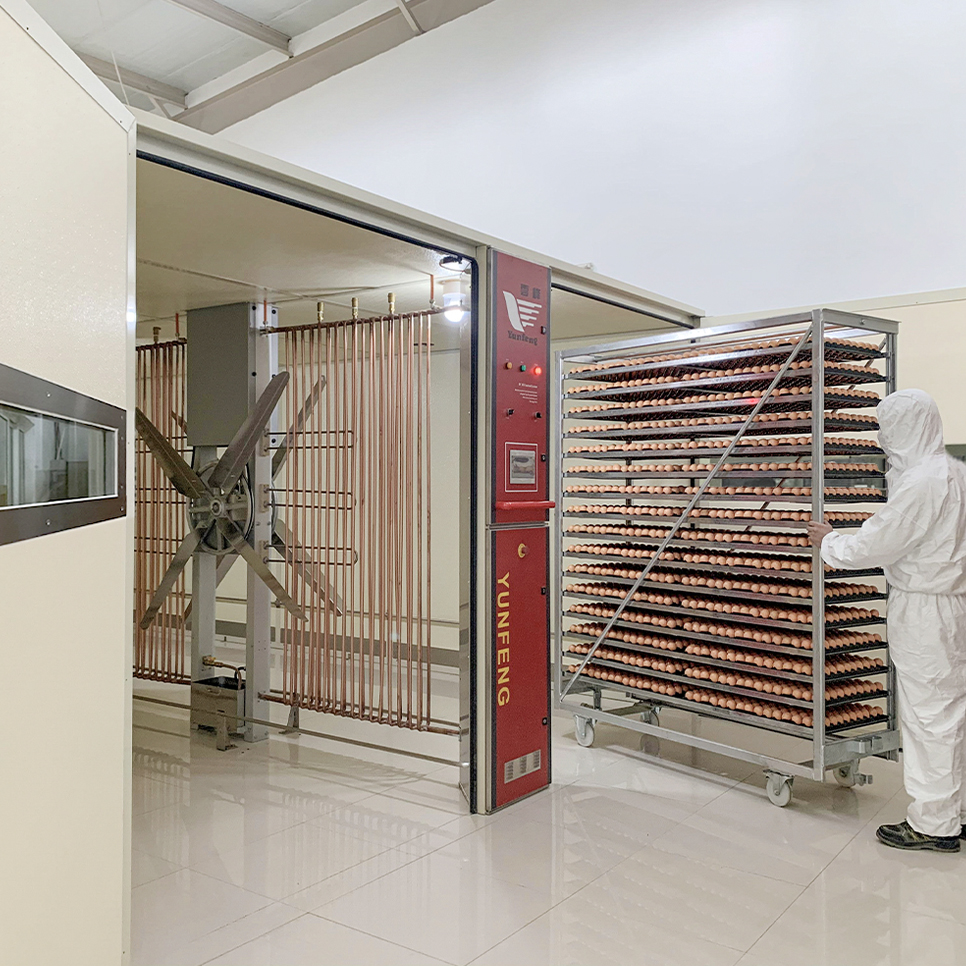
The fundamental purpose of an incubator extends beyond simple temperature control, encompassing a comprehensive approach to environmental management that supports cellular growth, chemical reactions, and biological processes. Modern incubator systems integrate advanced monitoring technologies, precision heating and cooling mechanisms, and sophisticated control interfaces to deliver the exacting conditions required for scientific and industrial applications. The working principles behind incubator technology involve complex interactions between thermal dynamics, humidity regulation, and atmospheric composition control, all coordinated through intelligent control systems that maintain stability over extended operational periods.
The heating system represents the primary functional component of any incubator, typically employing electric heating elements strategically positioned throughout the chamber to ensure uniform temperature distribution. Modern incubator designs utilize advanced heating technologies including radiant heating panels, convection heating systems, and forced air circulation mechanisms that work together to eliminate temperature gradients and cold spots within the working chamber. The temperature control system integrates precise thermostatic controls, multiple temperature sensors, and feedback loops that continuously monitor and adjust heating output to maintain the desired setpoint with remarkable accuracy, often within fractions of a degree.
Temperature uniformity across the entire incubator chamber requires sophisticated engineering solutions that address natural thermal stratification and heat distribution challenges. Advanced incubator models incorporate multiple heating zones, intelligent circulation fans, and thermal baffling systems that direct heated air flow in patterns designed to minimize temperature variations. The control electronics employ proportional-integral-derivative algorithms that anticipate temperature changes and make preemptive adjustments to prevent overshooting or undershooting the target temperature, ensuring stable conditions even when external environmental factors fluctuate.
Humidity control within an incubator involves sophisticated moisture management systems that can both add and remove water vapor from the chamber atmosphere to maintain precise relative humidity levels. Modern incubator designs employ various humidification methods including water pan systems, steam injection mechanisms, and ultrasonic humidifiers, each offering distinct advantages for different application requirements. The humidity control system works in coordination with temperature management to maintain the complex relationship between temperature and moisture content that affects biological processes and experimental outcomes.
Advanced incubator systems incorporate dehumidification capabilities through condensation management, desiccant systems, or controlled ventilation that removes excess moisture when environmental conditions demand lower humidity levels. The humidity sensors employed in modern incubator designs utilize capacitive or resistive sensing technologies that provide real-time feedback to the control system, enabling precise adjustments to maintain optimal moisture conditions. This integrated approach ensures that both temperature and humidity work together to create the ideal microenvironment for specific applications.
The physical construction of an incubator chamber plays a crucial role in maintaining environmental stability and energy efficiency, with advanced insulation systems designed to minimize heat loss and prevent external temperature influences from affecting internal conditions. High-performance incubator designs utilize multi-layer insulation systems, including vacuum-sealed panels, reflective barriers, and low-conductivity materials that create an effective thermal envelope around the working chamber. The chamber materials must withstand repeated temperature cycling, chemical exposure, and cleaning procedures while maintaining structural integrity and thermal performance over extended operational periods.
Door sealing systems represent another critical aspect of incubator construction, requiring sophisticated gasket designs and closure mechanisms that prevent air exchange between the internal chamber and external environment while allowing convenient access for sample placement and monitoring. Modern incubator doors incorporate multiple sealing layers, magnetic closure systems, and viewing windows that enable observation without compromising environmental conditions. The overall chamber design must balance accessibility, thermal performance, and structural durability to meet the demanding requirements of scientific and industrial applications.
Contemporary incubator systems rely on advanced microprocessor-based control platforms that integrate multiple environmental parameters, safety monitoring, and operational functions into comprehensive management systems. These sophisticated control systems process inputs from numerous sensors throughout the incubator chamber, including temperature probes, humidity sensors, door position indicators, and system status monitors, to maintain optimal operating conditions automatically. The microprocessor controller executes complex algorithms that coordinate heating, cooling, humidity control, and ventilation systems based on programmed setpoints and real-time environmental feedback.
Modern incubator control systems offer programmable operation modes that can execute complex temperature and humidity profiles over time, enabling applications that require specific environmental sequences or cycling patterns. The user interface typically includes digital displays, programming keypads, and connectivity options that allow remote monitoring and control through computer networks or mobile devices. Advanced diagnostic capabilities built into the control system provide real-time system health monitoring, maintenance alerts, and performance optimization recommendations that help ensure reliable long-term operation.
Air circulation within an incubator chamber serves multiple critical functions including temperature uniformity, humidity distribution, and atmospheric composition control, requiring carefully engineered ventilation systems that balance environmental stability with necessary air exchange. The circulation system typically employs variable-speed fans, directional airflow guides, and filtration systems that maintain consistent environmental conditions while preventing contamination and ensuring adequate oxygen levels for biological processes. Advanced incubator designs incorporate HEPA filtration, positive pressure systems, and contamination control measures that protect sensitive samples and experiments.
Ventilation control systems in modern incubator designs can adjust air exchange rates based on operational requirements, environmental conditions, and specific application needs. The airflow patterns within the chamber are engineered to prevent stagnant zones, eliminate temperature gradients, and ensure uniform distribution of humidity and atmospheric gases throughout the working volume. Some specialized incubator applications require controlled atmosphere capabilities, including CO2 injection systems, oxygen control, and inert gas purging that create specific atmospheric compositions for specialized biological or chemical processes.
Safety systems integrated into modern incubator designs provide multiple layers of protection for both equipment and samples, including over-temperature protection, power failure backup, and alarm systems that alert operators to abnormal conditions. Temperature safety systems typically include independent over-temperature controllers, thermal fuses, and emergency shutdown capabilities that prevent dangerous temperature excursions that could damage samples or create safety hazards. These safety mechanisms operate independently of the primary control system to ensure protection even in the event of control system failures.
Monitoring and alarm systems in advanced incubator designs provide comprehensive status information through visual displays, audible alarms, and remote notification capabilities that keep operators informed of system performance and alert them to conditions requiring attention. Data logging capabilities built into modern incubator systems record environmental parameters over time, creating permanent records for quality control, regulatory compliance, and process optimization. Network connectivity options enable integration with laboratory information management systems and remote monitoring platforms that enhance operational efficiency and ensure continuous oversight of critical processes.
Laboratory incubator applications span a broad range of scientific disciplines, from basic microbiological research to advanced biotechnology development, each requiring specific environmental conditions and operational capabilities. Microbiological applications typically require precise temperature control for bacterial and fungal cultivation, with many organisms requiring specific temperature ranges, humidity levels, and atmospheric compositions for optimal growth. Research laboratories utilize incubator systems for cell culture applications, enzyme assays, hybridization procedures, and various analytical processes that depend on controlled environmental conditions.
Biotechnology research applications often require specialized incubator capabilities including CO2 control for mammalian cell culture, shaking mechanisms for suspension cultures, and multi-parameter environmental control for complex biological systems. The incubator serves as a critical tool for maintaining sterile conditions, supporting long-term experiments, and ensuring reproducible results across multiple research projects. Advanced research applications may require specialized incubator configurations including anaerobic capabilities, light control systems, and programmable environmental cycling that simulates natural conditions or creates specific experimental protocols.
Industrial applications of incubator technology extend beyond research into manufacturing processes, quality control operations, and product development activities that require controlled environmental conditions for consistent results. Pharmaceutical manufacturing utilizes incubator systems for sterility testing, microbial limit testing, and stability studies that verify product quality and shelf life under controlled conditions. Food industry applications include microbial testing, fermentation processes, and shelf-life studies that ensure product safety and quality throughout the supply chain.
Manufacturing quality control operations rely on incubator systems to provide standardized environmental conditions for testing procedures, calibration activities, and validation studies that meet regulatory requirements and industry standards. The incubator enables consistent testing protocols that eliminate environmental variables, ensuring that test results accurately reflect product characteristics rather than environmental influences. Industrial incubator applications often require larger chamber volumes, heavy-duty construction, and enhanced durability to withstand continuous operation in demanding manufacturing environments.
Specialized incubator applications include environmental simulation studies, materials testing, and advanced research projects that require unique combinations of temperature, humidity, and atmospheric control. Environmental research utilizes incubator systems to simulate climate conditions, study ecosystem responses, and investigate the effects of environmental changes on biological systems. Materials science applications employ controlled environmental chambers to study material properties, test durability under specific conditions, and develop new materials with desired characteristics.
Advanced scientific applications may require custom incubator configurations that integrate specialized sensors, automated sampling systems, and computer-controlled experimental protocols. These sophisticated systems enable complex research projects that require precise environmental control combined with automated data collection and experimental manipulation. The versatility of modern incubator technology allows for customization and integration with other laboratory equipment, creating comprehensive experimental systems that support cutting-edge scientific research and development activities.
Determining the appropriate incubator capacity requires careful consideration of current application needs, future expansion requirements, and operational efficiency factors that affect both performance and cost-effectiveness. Chamber volume directly impacts the number of samples that can be processed simultaneously, with larger capacities offering economies of scale for high-throughput applications while smaller units provide more precise control and energy efficiency for focused research projects. The internal chamber dimensions must accommodate the specific containers, equipment, and access requirements of intended applications while maintaining uniform environmental conditions throughout the working volume.
Load capacity considerations extend beyond simple volume to include weight distribution, airflow patterns, and heat transfer characteristics that affect environmental uniformity and system performance. The incubator must provide adequate shelf space, adjustable shelving systems, and container support structures that accommodate various sample types while maintaining optimal air circulation. Operational considerations include door access, sample handling procedures, and workflow integration that affect laboratory efficiency and user convenience during routine operations.
Environmental performance specifications represent critical selection criteria that must align with specific application requirements, including temperature range, temperature uniformity, humidity control capabilities, and atmospheric composition options. Temperature specifications should encompass both the required operating range and the precision needed for successful outcomes, with consideration for both steady-state accuracy and temperature stability during door openings and load changes. Humidity control capabilities must match application needs, including both humidification and dehumidification requirements across the full temperature range.
Performance characteristics such as temperature recovery time, environmental uniformity, and system stability affect both experimental results and operational efficiency, requiring careful evaluation of manufacturer specifications and real-world performance data. Energy efficiency considerations impact both operating costs and environmental footprint, with modern incubator designs incorporating advanced insulation, intelligent control systems, and energy-saving features that reduce power consumption while maintaining performance standards. Long-term reliability and maintenance requirements affect total cost of ownership and operational continuity, making system durability and service support important selection factors.
Modern laboratory operations increasingly require incubator systems that integrate seamlessly with existing equipment, data management systems, and automated workflows that enhance operational efficiency and data quality. Connectivity options including ethernet interfaces, wireless communication, and computer integration capabilities enable remote monitoring, automated data collection, and integration with laboratory information management systems. These connectivity features support regulatory compliance requirements, quality assurance protocols, and operational optimization strategies that improve both efficiency and reliability.
Advanced integration capabilities may include automated door controls, robotic sample handling interfaces, and programmable communication protocols that enable fully automated experimental procedures. Data export capabilities, alarm notification systems, and remote access features provide operational flexibility and oversight that supports both routine operations and critical applications requiring continuous monitoring. The selection of appropriate connectivity and integration features depends on specific operational requirements, existing infrastructure capabilities, and future automation plans that affect long-term system utility and return on investment.
Most standard laboratory incubator systems can maintain temperatures ranging from ambient temperature plus 5-10°C up to approximately 80-100°C, with precision typically within ±0.1°C to ±0.5°C depending on the model and application requirements. Specialized incubator designs can achieve higher temperatures up to 200°C or more for specific applications, while some models offer cooling capabilities that extend the lower temperature range below ambient conditions. The exact temperature range and precision depend on the specific incubator design, intended applications, and environmental conditions where the system operates.
Incubator systems maintain temperature uniformity through sophisticated air circulation systems, multiple heating zones, and intelligent control algorithms that continuously monitor and adjust environmental conditions throughout the chamber. Forced air circulation systems distribute heated air evenly, while strategic placement of heating elements and thermal barriers eliminate hot spots and cold zones. Advanced models employ multiple temperature sensors and zone-based control systems that make localized adjustments to maintain consistent temperatures across the entire working volume, even when doors are opened or loads are changed.
Regular maintenance for incubator systems includes cleaning and sterilization of internal surfaces, calibration of temperature and humidity sensors, inspection of door seals and gaskets, and verification of control system operation. Routine tasks typically involve water pan cleaning and refilling, air filter replacement, and inspection of electrical connections and heating elements. Annual professional calibration and preventive maintenance services help ensure long-term reliability, regulatory compliance, and optimal performance throughout the operational life of the equipment.
Modern incubator manufacturers offer extensive customization options including specialized atmospheric control systems, unique chamber configurations, advanced monitoring capabilities, and integration with automated laboratory equipment. Custom features may include CO2 control systems, anaerobic capabilities, specialized shelving systems, and computer-controlled environmental programming that creates specific temperature and humidity profiles over time. The degree of customization available depends on the manufacturer's capabilities, application requirements, and budget considerations, with many suppliers offering both standard configurations and fully customized solutions for specialized research and industrial applications.

Beijing Yunfeng Limin Livestock Equipment Co., Ltd.
Copyright © 2026 Beijing Yunfeng Limin Livestock Equipment Co., Ltd. - | Privacy policy
 EN
EN