EN
EN


How Does Modern hatchery equipment Improve Operational Efficiency and Output Stability?
Modern poultry production demands precision, reliability, and consistent results to meet growing global food demands. Advanced hatchery equipment has revolutionized the industry by providing unprecedented control over environmental conditions, monitoring capabilities, and automation features that directly impact operational efficiency and output stability. Today's sophisticated systems integrate cutting-edge technology with proven incubation principles to deliver superior hatching rates while reducing labor costs and minimizing human error.
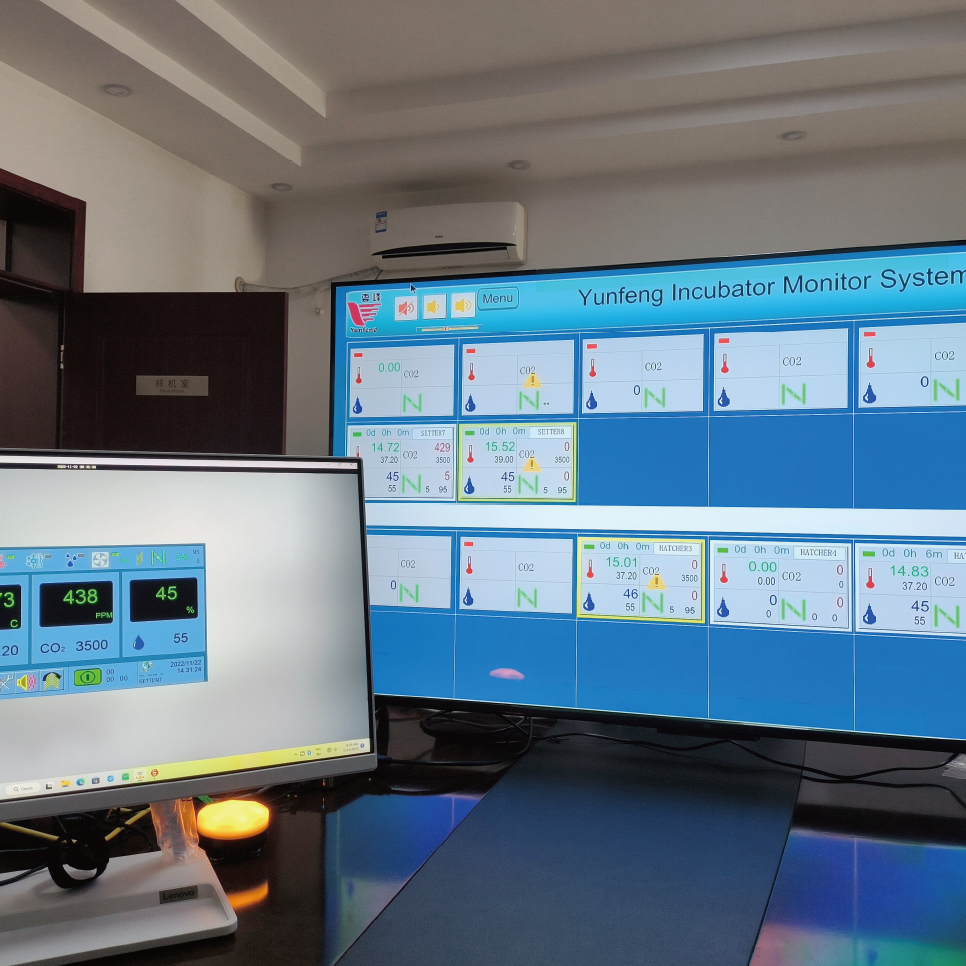
The evolution from traditional incubation methods to computerized systems represents a fundamental shift in how commercial hatcheries operate. Contemporary hatchery equipment incorporates sensors, automated controls, and data analytics to maintain optimal conditions throughout the incubation process. This technological advancement has enabled producers to achieve consistent results regardless of external factors or operator experience levels.
Enhanced Environmental Control Systems
Temperature Regulation and Stability
Precise temperature control forms the foundation of successful incubation, and modern hatchery equipment excels in maintaining optimal thermal conditions. Advanced heating and cooling systems respond instantly to temperature fluctuations, ensuring embryonic development proceeds without interruption. Digital controllers monitor multiple zones simultaneously, adjusting heating elements and ventilation systems to maintain uniform temperature distribution throughout incubation chambers.
Contemporary systems feature multiple backup mechanisms to prevent temperature deviations that could compromise entire batches. Redundant sensors provide continuous monitoring, while fail-safe systems activate secondary heating or cooling components if primary systems experience issues. This level of reliability significantly reduces the risk of catastrophic losses due to equipment failures.
Humidity Management and Air Quality
Optimal humidity levels are critical for proper embryonic development, and modern hatchery equipment provides precise moisture control through automated humidification systems. These systems continuously monitor relative humidity levels and adjust water injection or evaporation rates to maintain target conditions. Advanced air circulation patterns ensure even humidity distribution while preventing condensation buildup that could harbor harmful bacteria.
Air quality management extends beyond humidity control to include filtration systems that remove contaminants and maintain proper oxygen levels. High-efficiency particulate air filters protect developing embryos from pathogens while ensuring adequate air exchange rates. Carbon dioxide monitoring prevents dangerous gas accumulation that could negatively impact hatch rates.
Automation and Monitoring Technologies
Real-Time Data Collection and Analysis
Modern hatchery equipment generates vast amounts of operational data that provide insights into system performance and batch outcomes. Continuous monitoring systems track temperature, humidity, turning frequency, and ventilation parameters throughout the incubation cycle. This data collection enables operators to identify trends, optimize settings, and predict potential issues before they impact production.
Sophisticated analytics platforms process historical data to establish baseline performance metrics and identify opportunities for improvement. Machine learning algorithms can detect subtle patterns that indicate optimal conditions for specific egg types or environmental circumstances. This intelligence allows operators to fine-tune their hatchery equipment settings for maximum efficiency and consistency.
Remote Monitoring and Control Capabilities
Contemporary systems offer comprehensive remote access capabilities that allow operators to monitor and adjust equipment settings from any location. Mobile applications and web-based interfaces provide real-time status updates, alarm notifications, and the ability to make parameter adjustments without physical presence at the facility. This connectivity proves invaluable for managing multiple locations or responding to emergencies outside normal operating hours.
Cloud-based monitoring platforms aggregate data from multiple units, enabling operators to compare performance across different batches, seasons, or facilities. These systems generate automated reports that highlight key performance indicators and alert management to deviations from established standards. Remote diagnostics capabilities allow technical support teams to troubleshoot issues and provide guidance without requiring on-site visits.
Improved Egg Handling and Processing
Automated Egg Transfer Systems
Manual egg handling represents a significant source of potential damage and contamination in traditional hatchery operations. Modern hatchery equipment incorporates automated transfer systems that move eggs between different stages of the incubation process without human intervention. These systems use gentle handling mechanisms designed specifically for fragile eggshells, reducing breakage rates and minimizing stress on developing embryos.
Robotic systems can process thousands of eggs per hour with consistent precision and gentleness that exceeds human capabilities. Computer vision systems inspect each egg for cracks, contamination, or other defects before processing, ensuring only viable eggs proceed through the incubation cycle. This automated quality control improves overall hatch rates while reducing labor requirements.
Precision Turning and Positioning
Proper egg turning is essential for preventing embryonic adhesion to shell membranes and ensuring optimal development. Advanced hatchery equipment features programmable turning systems that rotate eggs at precisely timed intervals throughout the incubation period. These systems can accommodate different turning schedules for various poultry species or specific breeding programs.
Modern turning mechanisms operate smoothly and quietly, minimizing vibration that could disturb developing embryos. Variable speed controls allow operators to customize turning rates based on egg age, size, or other factors that influence development requirements. Integrated sensors verify proper positioning and alert operators to any mechanical issues that could compromise turning effectiveness.
Energy Efficiency and Cost Reduction
Optimized Power Consumption
Energy costs represent a significant operational expense for commercial hatcheries, making efficiency improvements crucial for profitability. Modern hatchery equipment incorporates energy-efficient components and intelligent control systems that minimize power consumption while maintaining optimal conditions. Variable-speed motors, LED lighting systems, and high-efficiency heating elements reduce overall energy requirements compared to older equipment designs.
Smart scheduling systems optimize energy usage by coordinating heating, cooling, and ventilation activities based on actual requirements rather than fixed schedules. Heat recovery systems capture waste heat from exhaust air and use it to preheat incoming fresh air, further reducing energy consumption. These efficiency improvements often result in substantial cost savings that help offset initial equipment investments.
Predictive Maintenance Capabilities
Unplanned equipment failures can devastate hatchery operations, making preventive maintenance essential for operational stability. Contemporary hatchery equipment features predictive maintenance systems that monitor component performance and predict when maintenance or replacement will be necessary. Vibration sensors, temperature monitoring, and performance analytics identify potential issues before they cause system failures.
Maintenance scheduling systems generate alerts when routine service is due and provide detailed instructions for required procedures. Parts inventory management systems track component usage and automatically reorder replacement parts before they are needed. This proactive approach minimizes downtime and ensures equipment operates at peak efficiency throughout its service life.
Quality Control and Traceability
Batch Tracking and Documentation
Comprehensive record-keeping is essential for quality assurance and regulatory compliance in modern poultry production. Advanced hatchery equipment automatically generates detailed logs of all operational parameters, creating complete batch histories that can be reviewed and analyzed. These records include temperature profiles, humidity levels, turning schedules, and any alarm conditions that occurred during incubation.
Digital documentation systems eliminate manual data entry errors and provide searchable databases of historical information. Traceability features link individual eggs or chicks back to specific parent flocks, incubation conditions, and processing dates. This capability proves invaluable for investigating quality issues or demonstrating compliance with food safety regulations.
Standardization and Consistency
Modern hatchery equipment enables operators to establish standardized procedures that deliver consistent results regardless of which operator is on duty. Programmable controllers store optimal settings for different egg types, seasons, or production goals, ensuring equipment operates according to proven protocols. User access controls prevent unauthorized changes while maintaining operational flexibility.
Recipe management systems allow operators to save and recall successful parameter combinations for different circumstances. These systems can automatically adjust settings based on external conditions, egg source, or seasonal variations that affect incubation requirements. Standardized operations reduce variability and improve overall production consistency.
Integration with Farm Management Systems
Data Connectivity and Analytics
Contemporary hatchery equipment integrates seamlessly with broader farm management systems to provide comprehensive operational oversight. Data sharing capabilities allow hatchery performance metrics to be combined with breeding records, feed conversion data, and market information to optimize overall production efficiency. This integration provides valuable insights into the relationships between different aspects of poultry production.
Business intelligence platforms process combined data streams to identify opportunities for improvement across the entire operation. Profitability analysis tools help operators understand which settings, procedures, or egg sources deliver the best financial returns. This holistic approach to data management enables more informed decision-making at all levels of the organization.
Supply Chain Coordination
Modern hatchery equipment supports improved supply chain coordination through accurate production forecasting and scheduling capabilities. Predictive models use historical data and current conditions to estimate hatch dates and chick quantities with high accuracy. This information helps downstream operations plan for proper capacity utilization and resource allocation.
Automated communication systems can notify customers of expected delivery dates and quantities, improving service levels and reducing coordination overhead. Inventory management systems track egg supplies and alert purchasing departments when additional stock is needed to maintain production schedules. These coordination improvements benefit the entire supply chain by reducing waste and improving efficiency.
FAQ
What are the primary benefits of upgrading to modern hatchery equipment?
Modern hatchery equipment offers numerous advantages including improved hatch rates, reduced labor costs, enhanced environmental control, and comprehensive monitoring capabilities. These systems provide more consistent results while reducing the risk of catastrophic losses due to equipment failures or human error. Energy efficiency improvements and predictive maintenance features also contribute to lower operational costs over time.
How does automated monitoring improve hatchery operations?
Automated monitoring systems provide continuous oversight of critical parameters like temperature, humidity, and air quality without requiring constant human attention. Real-time alerts notify operators of any deviations from optimal conditions, allowing for immediate corrective action. Historical data collection enables operators to identify trends and optimize settings for improved performance.
What role does data analytics play in modern hatchery management?
Data analytics transforms raw operational data into actionable insights that help optimize hatchery performance. By analyzing patterns in temperature, humidity, turning schedules, and outcomes, operators can identify the most effective settings for different conditions. Predictive analytics can forecast maintenance needs and production outcomes, enabling proactive management decisions.
How do energy-efficient features in hatchery equipment impact operational costs?
Energy-efficient components and intelligent control systems significantly reduce power consumption compared to older equipment designs. Features like variable-speed motors, LED lighting, and heat recovery systems can decrease energy costs by 20-40% in many installations. Smart scheduling systems optimize energy usage by running equipment only when necessary, further reducing operational expenses while maintaining optimal incubation conditions.
Modern poultry production demands precision, reliability, and consistent results to meet growing global food demands. Advanced hatchery equipment has revolutionized the industry by providing unprecedented control over environmental conditions, monitoring capabilities, and automation features that directly impact operational efficiency and output stability. Today's sophisticated systems integrate cutting-edge technology with proven incubation principles to deliver superior hatching rates while reducing labor costs and minimizing human error.
The evolution from traditional incubation methods to computerized systems represents a fundamental shift in how commercial hatcheries operate. Contemporary hatchery equipment incorporates sensors, automated controls, and data analytics to maintain optimal conditions throughout the incubation process. This technological advancement has enabled producers to achieve consistent results regardless of external factors or operator experience levels.
Enhanced Environmental Control Systems
Temperature Regulation and Stability
Precise temperature control forms the foundation of successful incubation, and modern hatchery equipment excels in maintaining optimal thermal conditions. Advanced heating and cooling systems respond instantly to temperature fluctuations, ensuring embryonic development proceeds without interruption. Digital controllers monitor multiple zones simultaneously, adjusting heating elements and ventilation systems to maintain uniform temperature distribution throughout incubation chambers.
Contemporary systems feature multiple backup mechanisms to prevent temperature deviations that could compromise entire batches. Redundant sensors provide continuous monitoring, while fail-safe systems activate secondary heating or cooling components if primary systems experience issues. This level of reliability significantly reduces the risk of catastrophic losses due to equipment failures.
Humidity Management and Air Quality
Optimal humidity levels are critical for proper embryonic development, and modern hatchery equipment provides precise moisture control through automated humidification systems. These systems continuously monitor relative humidity levels and adjust water injection or evaporation rates to maintain target conditions. Advanced air circulation patterns ensure even humidity distribution while preventing condensation buildup that could harbor harmful bacteria.
Air quality management extends beyond humidity control to include filtration systems that remove contaminants and maintain proper oxygen levels. High-efficiency particulate air filters protect developing embryos from pathogens while ensuring adequate air exchange rates. Carbon dioxide monitoring prevents dangerous gas accumulation that could negatively impact hatch rates.
Automation and Monitoring Technologies
Real-Time Data Collection and Analysis
Modern hatchery equipment generates vast amounts of operational data that provide insights into system performance and batch outcomes. Continuous monitoring systems track temperature, humidity, turning frequency, and ventilation parameters throughout the incubation cycle. This data collection enables operators to identify trends, optimize settings, and predict potential issues before they impact production.
Sophisticated analytics platforms process historical data to establish baseline performance metrics and identify opportunities for improvement. Machine learning algorithms can detect subtle patterns that indicate optimal conditions for specific egg types or environmental circumstances. This intelligence allows operators to fine-tune their hatchery equipment settings for maximum efficiency and consistency.
Remote Monitoring and Control Capabilities
Contemporary systems offer comprehensive remote access capabilities that allow operators to monitor and adjust equipment settings from any location. Mobile applications and web-based interfaces provide real-time status updates, alarm notifications, and the ability to make parameter adjustments without physical presence at the facility. This connectivity proves invaluable for managing multiple locations or responding to emergencies outside normal operating hours.
Cloud-based monitoring platforms aggregate data from multiple units, enabling operators to compare performance across different batches, seasons, or facilities. These systems generate automated reports that highlight key performance indicators and alert management to deviations from established standards. Remote diagnostics capabilities allow technical support teams to troubleshoot issues and provide guidance without requiring on-site visits.
Improved Egg Handling and Processing
Automated Egg Transfer Systems
Manual egg handling represents a significant source of potential damage and contamination in traditional hatchery operations. Modern hatchery equipment incorporates automated transfer systems that move eggs between different stages of the incubation process without human intervention. These systems use gentle handling mechanisms designed specifically for fragile eggshells, reducing breakage rates and minimizing stress on developing embryos.
Robotic systems can process thousands of eggs per hour with consistent precision and gentleness that exceeds human capabilities. Computer vision systems inspect each egg for cracks, contamination, or other defects before processing, ensuring only viable eggs proceed through the incubation cycle. This automated quality control improves overall hatch rates while reducing labor requirements.
Precision Turning and Positioning
Proper egg turning is essential for preventing embryonic adhesion to shell membranes and ensuring optimal development. Advanced hatchery equipment features programmable turning systems that rotate eggs at precisely timed intervals throughout the incubation period. These systems can accommodate different turning schedules for various poultry species or specific breeding programs.
Modern turning mechanisms operate smoothly and quietly, minimizing vibration that could disturb developing embryos. Variable speed controls allow operators to customize turning rates based on egg age, size, or other factors that influence development requirements. Integrated sensors verify proper positioning and alert operators to any mechanical issues that could compromise turning effectiveness.
Energy Efficiency and Cost Reduction
Optimized Power Consumption
Energy costs represent a significant operational expense for commercial hatcheries, making efficiency improvements crucial for profitability. Modern hatchery equipment incorporates energy-efficient components and intelligent control systems that minimize power consumption while maintaining optimal conditions. Variable-speed motors, LED lighting systems, and high-efficiency heating elements reduce overall energy requirements compared to older equipment designs.
Smart scheduling systems optimize energy usage by coordinating heating, cooling, and ventilation activities based on actual requirements rather than fixed schedules. Heat recovery systems capture waste heat from exhaust air and use it to preheat incoming fresh air, further reducing energy consumption. These efficiency improvements often result in substantial cost savings that help offset initial equipment investments.
Predictive Maintenance Capabilities
Unplanned equipment failures can devastate hatchery operations, making preventive maintenance essential for operational stability. Contemporary hatchery equipment features predictive maintenance systems that monitor component performance and predict when maintenance or replacement will be necessary. Vibration sensors, temperature monitoring, and performance analytics identify potential issues before they cause system failures.
Maintenance scheduling systems generate alerts when routine service is due and provide detailed instructions for required procedures. Parts inventory management systems track component usage and automatically reorder replacement parts before they are needed. This proactive approach minimizes downtime and ensures equipment operates at peak efficiency throughout its service life.
Quality Control and Traceability
Batch Tracking and Documentation
Comprehensive record-keeping is essential for quality assurance and regulatory compliance in modern poultry production. Advanced hatchery equipment automatically generates detailed logs of all operational parameters, creating complete batch histories that can be reviewed and analyzed. These records include temperature profiles, humidity levels, turning schedules, and any alarm conditions that occurred during incubation.
Digital documentation systems eliminate manual data entry errors and provide searchable databases of historical information. Traceability features link individual eggs or chicks back to specific parent flocks, incubation conditions, and processing dates. This capability proves invaluable for investigating quality issues or demonstrating compliance with food safety regulations.
Standardization and Consistency
Modern hatchery equipment enables operators to establish standardized procedures that deliver consistent results regardless of which operator is on duty. Programmable controllers store optimal settings for different egg types, seasons, or production goals, ensuring equipment operates according to proven protocols. User access controls prevent unauthorized changes while maintaining operational flexibility.
Recipe management systems allow operators to save and recall successful parameter combinations for different circumstances. These systems can automatically adjust settings based on external conditions, egg source, or seasonal variations that affect incubation requirements. Standardized operations reduce variability and improve overall production consistency.
Integration with Farm Management Systems
Data Connectivity and Analytics
Contemporary hatchery equipment integrates seamlessly with broader farm management systems to provide comprehensive operational oversight. Data sharing capabilities allow hatchery performance metrics to be combined with breeding records, feed conversion data, and market information to optimize overall production efficiency. This integration provides valuable insights into the relationships between different aspects of poultry production.
Business intelligence platforms process combined data streams to identify opportunities for improvement across the entire operation. Profitability analysis tools help operators understand which settings, procedures, or egg sources deliver the best financial returns. This holistic approach to data management enables more informed decision-making at all levels of the organization.
Supply Chain Coordination
Modern hatchery equipment supports improved supply chain coordination through accurate production forecasting and scheduling capabilities. Predictive models use historical data and current conditions to estimate hatch dates and chick quantities with high accuracy. This information helps downstream operations plan for proper capacity utilization and resource allocation.
Automated communication systems can notify customers of expected delivery dates and quantities, improving service levels and reducing coordination overhead. Inventory management systems track egg supplies and alert purchasing departments when additional stock is needed to maintain production schedules. These coordination improvements benefit the entire supply chain by reducing waste and improving efficiency.
FAQ
What are the primary benefits of upgrading to modern hatchery equipment?
Modern hatchery equipment offers numerous advantages including improved hatch rates, reduced labor costs, enhanced environmental control, and comprehensive monitoring capabilities. These systems provide more consistent results while reducing the risk of catastrophic losses due to equipment failures or human error. Energy efficiency improvements and predictive maintenance features also contribute to lower operational costs over time.
How does automated monitoring improve hatchery operations?
Automated monitoring systems provide continuous oversight of critical parameters like temperature, humidity, and air quality without requiring constant human attention. Real-time alerts notify operators of any deviations from optimal conditions, allowing for immediate corrective action. Historical data collection enables operators to identify trends and optimize settings for improved performance.
What role does data analytics play in modern hatchery management?
Data analytics transforms raw operational data into actionable insights that help optimize hatchery performance. By analyzing patterns in temperature, humidity, turning schedules, and outcomes, operators can identify the most effective settings for different conditions. Predictive analytics can forecast maintenance needs and production outcomes, enabling proactive management decisions.
How do energy-efficient features in hatchery equipment impact operational costs?
Energy-efficient components and intelligent control systems significantly reduce power consumption compared to older equipment designs. Features like variable-speed motors, LED lighting, and heat recovery systems can decrease energy costs by 20-40% in many installations. Smart scheduling systems optimize energy usage by running equipment only when necessary, further reducing operational expenses while maintaining optimal incubation conditions.