EN
EN


How Can hatchery equipment Automation Reduce Labor Dependence and Errors?
Modern hatchery operations face increasing pressure to optimize efficiency while maintaining high standards of bird health and production quality. Traditional manual processes often lead to inconsistent results, higher labor costs, and increased risk of human error. The integration of advanced hatchery equipment automation systems has emerged as a transformative solution, enabling facilities to achieve unprecedented levels of precision, consistency, and operational efficiency. Automated hatchery equipment not only reduces the dependency on manual labor but also significantly minimizes the potential for costly mistakes that can impact hatch rates and overall productivity.
Understanding the Impact of Labor Dependency in Traditional Hatchery Operations
Manual Process Limitations and Human Error Factors
Traditional hatchery operations rely heavily on skilled technicians to monitor temperature, humidity, and turning schedules throughout the incubation period. This manual approach introduces multiple points where human error can occur, from incorrect temperature adjustments to missed turning cycles. The complexity of managing thousands of eggs simultaneously while maintaining optimal conditions requires constant attention and precise timing. Even experienced operators can make mistakes during long shifts or when managing multiple incubators concurrently.
The consequences of manual errors in hatchery equipment operation extend beyond immediate production losses. Inconsistent environmental conditions can lead to reduced hatch rates, poor chick quality, and increased mortality rates. These issues compound over time, affecting the overall profitability and reputation of the hatchery operation. Furthermore, the stress of maintaining precise manual control can lead to operator fatigue, which increases the likelihood of mistakes and reduces overall workplace satisfaction.
Labor Cost Implications and Workforce Challenges
Maintaining adequate staffing levels for round-the-clock hatchery operations presents significant financial and logistical challenges. Skilled hatchery technicians command competitive wages, and the need for continuous monitoring requires multiple shifts and backup personnel. Training new employees to operate sophisticated hatchery equipment effectively takes considerable time and resources, during which productivity may suffer due to inexperience.
The seasonal nature of some hatchery operations creates additional workforce planning difficulties. Peak production periods require maximum staffing, while slower periods may leave facilities overstaffed. This variability makes it challenging to maintain optimal labor efficiency throughout the year. Additionally, employee turnover in manual hatchery positions tends to be higher due to the demanding nature of the work, creating ongoing recruitment and training costs.
Automation Technologies Revolutionizing Hatchery Equipment Systems
Advanced Environmental Control Systems
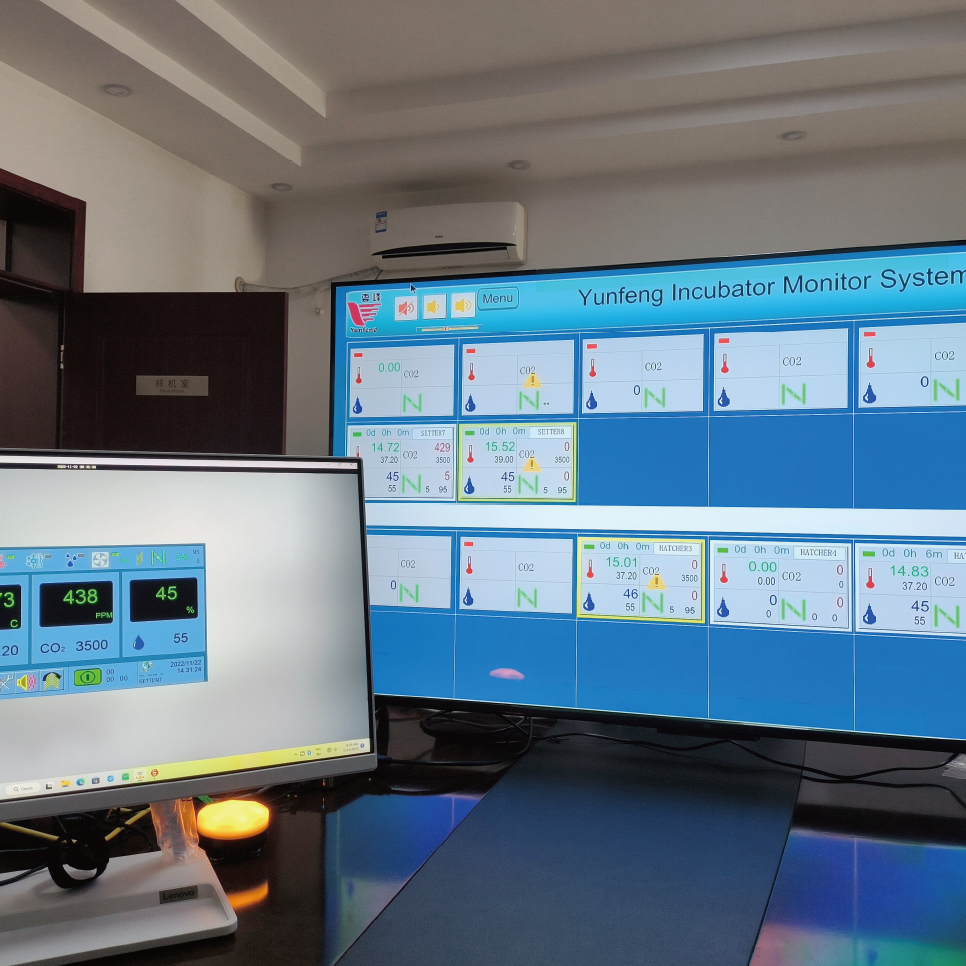
Modern automated hatchery equipment incorporates sophisticated environmental control systems that continuously monitor and adjust critical parameters without human intervention. These systems utilize precision sensors to track temperature variations within fractions of a degree, maintaining optimal conditions throughout the incubation cycle. Humidity control mechanisms automatically adjust moisture levels based on real-time feedback, ensuring proper embryonic development at every stage.
The integration of computer-controlled ventilation systems ensures proper air circulation and oxygen levels while removing excess carbon dioxide. These automated systems can make minute adjustments thousands of times per day, achieving a level of precision that would be impossible through manual operation. The result is more consistent environmental conditions that promote higher hatch rates and improved chick quality across all incubator units.
Intelligent Monitoring and Data Collection Capabilities
Contemporary hatchery equipment features comprehensive monitoring systems that collect and analyze vast amounts of operational data in real-time. These systems track performance metrics, environmental conditions, and equipment status continuously, creating detailed records that enable operators to identify trends and optimize processes. Advanced algorithms can detect anomalies before they become critical issues, allowing for proactive maintenance and intervention.
The data collection capabilities of modern hatchery equipment extend beyond basic environmental monitoring to include egg turning frequency, power consumption, and equipment performance indicators. This comprehensive data analysis helps facility managers make informed decisions about operational adjustments and long-term improvements. Historical data comparison allows for continuous refinement of incubation protocols, leading to better outcomes over time.
Specific Ways Automation Reduces Labor Dependence
Automated Egg Handling and Positioning Systems
Automated egg handling systems eliminate the need for manual egg loading, turning, and transferring between different stages of the incubation process. These sophisticated mechanisms can handle thousands of eggs simultaneously with precise positioning and gentle handling that reduces breakage rates. Robotic systems ensure consistent egg orientation and spacing, optimizing heat distribution and air circulation around each egg.
The integration of conveyor systems and automated transfer mechanisms streamlines the movement of eggs from setters to hatchers without manual intervention. This automation not only reduces labor requirements but also minimizes handling stress on developing embryos. Automated candling systems can even identify non-viable eggs during the incubation process, removing them without human inspection, which further improves efficiency and reduces contamination risk.
Remote Monitoring and Control Capabilities
Modern hatchery equipment enables remote monitoring and control through internet-connected systems that allow operators to oversee multiple facilities from a central location. Mobile applications and web-based interfaces provide real-time access to critical operational data, enabling quick response to any issues that may arise. This remote capability reduces the need for on-site personnel while maintaining comprehensive oversight of all hatchery operations.
Alert systems automatically notify designated personnel of any deviations from optimal parameters, allowing for immediate corrective action even when staff are not physically present. These notification systems can differentiate between minor adjustments and critical alerts, ensuring appropriate response levels. Remote diagnostic capabilities also enable technical support teams to troubleshoot issues without requiring on-site visits, reducing downtime and maintenance costs.
Error Reduction Through Precision Control and Monitoring
Consistent Environmental Parameter Management
Automated hatchery equipment maintains environmental parameters with remarkable consistency, eliminating the variations that inevitably occur with manual operation. Temperature control systems can maintain setpoints within narrow tolerances, preventing the fluctuations that can negatively impact embryonic development. Humidity regulation systems automatically adjust moisture levels based on calculated requirements for each stage of incubation, ensuring optimal conditions throughout the process.
The precision of automated systems extends to air circulation patterns and ventilation rates, which are carefully controlled to provide uniform conditions throughout the incubator chamber. These systems continuously monitor multiple zones within each unit, making independent adjustments to maintain consistency across all areas. This level of environmental control precision would be impossible to achieve through manual operation, even with highly skilled technicians.
Standardized Process Execution and Quality Control
Automation ensures that all processes are executed according to predetermined protocols without deviation or human interpretation. Standardized procedures for temperature profiles, turning schedules, and humidity curves are programmed into the hatchery equipment and executed consistently every time. This standardization eliminates variability that can occur when different operators interpret procedures differently or make subjective adjustments based on experience.
Quality control measures are built into automated systems, providing continuous verification that all parameters remain within acceptable ranges. Real-time monitoring systems can detect even minor deviations from standard protocols and either automatically correct them or alert supervisors to potential issues. This proactive approach to quality control prevents small problems from escalating into major production losses.
Economic Benefits and Return on Investment
Direct Labor Cost Reduction Analysis
The implementation of automated hatchery equipment typically results in substantial direct labor cost savings through reduced staffing requirements. Facilities can operate efficiently with fewer technicians per shift, as automated systems handle routine monitoring and adjustment tasks. The reduction in required overtime hours and the ability to operate with smaller crews during off-peak periods contribute to significant ongoing cost savings.
Training costs also decrease substantially when automated hatchery equipment is implemented, as new employees require less specialized knowledge to operate sophisticated systems effectively. The learning curve for operating automated equipment is typically shorter than for manual systems, reducing the time investment required for new hires. Additionally, the reduced physical demands of operating automated systems can lead to lower employee turnover rates, further reducing recruitment and training expenses.
Production Efficiency and Quality Improvements
Automated hatchery equipment consistently delivers improved hatch rates and chick quality compared to manual operations. The precise environmental control achievable through automation creates optimal conditions for embryonic development, resulting in higher percentages of healthy, viable chicks. Improved uniformity in chick size and development stage also enhances the value of the final product, contributing to increased revenue per batch.
Energy efficiency improvements through optimized heating, cooling, and ventilation systems contribute to lower operational costs over time. Automated systems can adjust energy consumption based on actual requirements rather than maintaining constant output levels, reducing utility expenses. The extended equipment lifespan resulting from optimal operating conditions and reduced manual handling also provides long-term economic benefits through lower replacement and maintenance costs.
Implementation Strategies for Hatchery Automation
Phased Automation Approach and Planning
Successful implementation of automated hatchery equipment often benefits from a phased approach that allows facilities to gradually transition from manual to automated operations. Starting with critical control systems such as temperature and humidity regulation provides immediate benefits while allowing staff to become familiar with automated processes. Subsequent phases can address egg handling, monitoring systems, and advanced data analytics capabilities as the organization becomes more comfortable with automation technology.
Careful planning is essential to ensure that automated systems integrate properly with existing infrastructure and workflows. Site assessments should evaluate electrical capacity, network connectivity, and physical space requirements before implementing new hatchery equipment. Staff training programs should begin well before installation to ensure smooth transitions and maximize the benefits of automation from day one of operation.
Integration with Existing Operations and Systems
Modern hatchery equipment is designed to integrate seamlessly with existing facility management systems and production workflows. Standardized communication protocols allow automated systems to share data with inventory management, quality control, and production planning systems. This integration enables comprehensive facility-wide optimization and better coordination between different operational areas.
Compatibility considerations include ensuring that new automated systems can work alongside existing manual processes during transition periods. Hybrid operations that combine automated and manual elements require careful coordination to maintain consistency and quality standards. Technical support and maintenance protocols should be established to ensure reliable operation and minimize any disruption to production schedules during the implementation process.
Future Trends in Hatchery Equipment Automation
Artificial Intelligence and Machine Learning Applications
The future of hatchery equipment automation increasingly incorporates artificial intelligence and machine learning technologies that can optimize operations based on historical data and predictive analytics. These advanced systems can learn from past performance to identify optimal parameter combinations for specific egg types, environmental conditions, and production goals. Machine learning algorithms can detect subtle patterns in operational data that human operators might miss, leading to continuous improvement in hatch rates and efficiency.
Predictive maintenance capabilities powered by artificial intelligence can anticipate equipment failures before they occur, scheduling maintenance activities to minimize production disruption. These systems analyze equipment performance data, environmental conditions, and usage patterns to identify potential issues early. The integration of AI-driven optimization also enables dynamic adjustment of operational parameters based on real-time conditions and predictive models.
Internet of Things Integration and Smart Connectivity
The expansion of Internet of Things technology in hatchery equipment creates opportunities for unprecedented connectivity and data sharing across multiple facilities and production sites. Smart sensors and connected devices enable comprehensive monitoring of every aspect of hatchery operations, from individual incubator performance to facility-wide energy consumption. This connectivity allows for centralized management of multiple hatchery locations and real-time optimization based on comparative performance data.
Cloud-based data storage and analysis platforms enable hatchery equipment to leverage powerful computing resources for advanced analytics and optimization. Remote access capabilities allow technical support teams to diagnose and resolve issues without physical site visits, reducing downtime and maintenance costs. The integration of blockchain technology may also provide enhanced traceability and quality assurance capabilities, tracking individual eggs from placement through hatching and beyond.
FAQ
How much can automated hatchery equipment reduce labor costs compared to manual operations
Automated hatchery equipment typically reduces labor costs by 40-60% compared to manual operations. This reduction comes from decreased staffing requirements, reduced overtime needs, and lower training costs. The exact savings depend on facility size, automation level, and local labor rates, but most facilities see significant cost reductions within the first year of implementation.
What is the typical payback period for investing in automated hatchery equipment
The payback period for automated hatchery equipment investments typically ranges from 18 months to 3 years, depending on the scale of automation and facility size. Larger operations generally see faster payback due to greater absolute savings, while smaller facilities may take longer to recover initial investments. Factors such as improved hatch rates, reduced labor costs, and energy savings all contribute to the return on investment calculation.
Can existing manual hatchery operations be upgraded with automation technology
Most existing manual hatchery operations can be successfully upgraded with automation technology through retrofit solutions and phased implementation approaches. Modern hatchery equipment manufacturers offer upgrade packages designed to integrate with existing infrastructure. The key considerations include electrical capacity, space requirements, and compatibility with current incubator models.
What training is required for staff to operate automated hatchery equipment effectively
Staff training for automated hatchery equipment typically requires 1-2 weeks of comprehensive instruction covering system operation, monitoring procedures, and basic troubleshooting. Most manufacturers provide detailed training programs as part of equipment installation, along with ongoing support resources. The training focuses on understanding automated processes, interpreting system alerts, and maintaining quality standards rather than manual operational skills.
Modern hatchery operations face increasing pressure to optimize efficiency while maintaining high standards of bird health and production quality. Traditional manual processes often lead to inconsistent results, higher labor costs, and increased risk of human error. The integration of advanced hatchery equipment automation systems has emerged as a transformative solution, enabling facilities to achieve unprecedented levels of precision, consistency, and operational efficiency. Automated hatchery equipment not only reduces the dependency on manual labor but also significantly minimizes the potential for costly mistakes that can impact hatch rates and overall productivity.
Understanding the Impact of Labor Dependency in Traditional Hatchery Operations
Manual Process Limitations and Human Error Factors
Traditional hatchery operations rely heavily on skilled technicians to monitor temperature, humidity, and turning schedules throughout the incubation period. This manual approach introduces multiple points where human error can occur, from incorrect temperature adjustments to missed turning cycles. The complexity of managing thousands of eggs simultaneously while maintaining optimal conditions requires constant attention and precise timing. Even experienced operators can make mistakes during long shifts or when managing multiple incubators concurrently.
The consequences of manual errors in hatchery equipment operation extend beyond immediate production losses. Inconsistent environmental conditions can lead to reduced hatch rates, poor chick quality, and increased mortality rates. These issues compound over time, affecting the overall profitability and reputation of the hatchery operation. Furthermore, the stress of maintaining precise manual control can lead to operator fatigue, which increases the likelihood of mistakes and reduces overall workplace satisfaction.
Labor Cost Implications and Workforce Challenges
Maintaining adequate staffing levels for round-the-clock hatchery operations presents significant financial and logistical challenges. Skilled hatchery technicians command competitive wages, and the need for continuous monitoring requires multiple shifts and backup personnel. Training new employees to operate sophisticated hatchery equipment effectively takes considerable time and resources, during which productivity may suffer due to inexperience.
The seasonal nature of some hatchery operations creates additional workforce planning difficulties. Peak production periods require maximum staffing, while slower periods may leave facilities overstaffed. This variability makes it challenging to maintain optimal labor efficiency throughout the year. Additionally, employee turnover in manual hatchery positions tends to be higher due to the demanding nature of the work, creating ongoing recruitment and training costs.
Automation Technologies Revolutionizing Hatchery Equipment Systems
Advanced Environmental Control Systems
Modern automated hatchery equipment incorporates sophisticated environmental control systems that continuously monitor and adjust critical parameters without human intervention. These systems utilize precision sensors to track temperature variations within fractions of a degree, maintaining optimal conditions throughout the incubation cycle. Humidity control mechanisms automatically adjust moisture levels based on real-time feedback, ensuring proper embryonic development at every stage.
The integration of computer-controlled ventilation systems ensures proper air circulation and oxygen levels while removing excess carbon dioxide. These automated systems can make minute adjustments thousands of times per day, achieving a level of precision that would be impossible through manual operation. The result is more consistent environmental conditions that promote higher hatch rates and improved chick quality across all incubator units.
Intelligent Monitoring and Data Collection Capabilities
Contemporary hatchery equipment features comprehensive monitoring systems that collect and analyze vast amounts of operational data in real-time. These systems track performance metrics, environmental conditions, and equipment status continuously, creating detailed records that enable operators to identify trends and optimize processes. Advanced algorithms can detect anomalies before they become critical issues, allowing for proactive maintenance and intervention.
The data collection capabilities of modern hatchery equipment extend beyond basic environmental monitoring to include egg turning frequency, power consumption, and equipment performance indicators. This comprehensive data analysis helps facility managers make informed decisions about operational adjustments and long-term improvements. Historical data comparison allows for continuous refinement of incubation protocols, leading to better outcomes over time.
Specific Ways Automation Reduces Labor Dependence
Automated Egg Handling and Positioning Systems
Automated egg handling systems eliminate the need for manual egg loading, turning, and transferring between different stages of the incubation process. These sophisticated mechanisms can handle thousands of eggs simultaneously with precise positioning and gentle handling that reduces breakage rates. Robotic systems ensure consistent egg orientation and spacing, optimizing heat distribution and air circulation around each egg.
The integration of conveyor systems and automated transfer mechanisms streamlines the movement of eggs from setters to hatchers without manual intervention. This automation not only reduces labor requirements but also minimizes handling stress on developing embryos. Automated candling systems can even identify non-viable eggs during the incubation process, removing them without human inspection, which further improves efficiency and reduces contamination risk.
Remote Monitoring and Control Capabilities
Modern hatchery equipment enables remote monitoring and control through internet-connected systems that allow operators to oversee multiple facilities from a central location. Mobile applications and web-based interfaces provide real-time access to critical operational data, enabling quick response to any issues that may arise. This remote capability reduces the need for on-site personnel while maintaining comprehensive oversight of all hatchery operations.
Alert systems automatically notify designated personnel of any deviations from optimal parameters, allowing for immediate corrective action even when staff are not physically present. These notification systems can differentiate between minor adjustments and critical alerts, ensuring appropriate response levels. Remote diagnostic capabilities also enable technical support teams to troubleshoot issues without requiring on-site visits, reducing downtime and maintenance costs.
Error Reduction Through Precision Control and Monitoring
Consistent Environmental Parameter Management
Automated hatchery equipment maintains environmental parameters with remarkable consistency, eliminating the variations that inevitably occur with manual operation. Temperature control systems can maintain setpoints within narrow tolerances, preventing the fluctuations that can negatively impact embryonic development. Humidity regulation systems automatically adjust moisture levels based on calculated requirements for each stage of incubation, ensuring optimal conditions throughout the process.
The precision of automated systems extends to air circulation patterns and ventilation rates, which are carefully controlled to provide uniform conditions throughout the incubator chamber. These systems continuously monitor multiple zones within each unit, making independent adjustments to maintain consistency across all areas. This level of environmental control precision would be impossible to achieve through manual operation, even with highly skilled technicians.
Standardized Process Execution and Quality Control
Automation ensures that all processes are executed according to predetermined protocols without deviation or human interpretation. Standardized procedures for temperature profiles, turning schedules, and humidity curves are programmed into the hatchery equipment and executed consistently every time. This standardization eliminates variability that can occur when different operators interpret procedures differently or make subjective adjustments based on experience.
Quality control measures are built into automated systems, providing continuous verification that all parameters remain within acceptable ranges. Real-time monitoring systems can detect even minor deviations from standard protocols and either automatically correct them or alert supervisors to potential issues. This proactive approach to quality control prevents small problems from escalating into major production losses.
Economic Benefits and Return on Investment
Direct Labor Cost Reduction Analysis
The implementation of automated hatchery equipment typically results in substantial direct labor cost savings through reduced staffing requirements. Facilities can operate efficiently with fewer technicians per shift, as automated systems handle routine monitoring and adjustment tasks. The reduction in required overtime hours and the ability to operate with smaller crews during off-peak periods contribute to significant ongoing cost savings.
Training costs also decrease substantially when automated hatchery equipment is implemented, as new employees require less specialized knowledge to operate sophisticated systems effectively. The learning curve for operating automated equipment is typically shorter than for manual systems, reducing the time investment required for new hires. Additionally, the reduced physical demands of operating automated systems can lead to lower employee turnover rates, further reducing recruitment and training expenses.
Production Efficiency and Quality Improvements
Automated hatchery equipment consistently delivers improved hatch rates and chick quality compared to manual operations. The precise environmental control achievable through automation creates optimal conditions for embryonic development, resulting in higher percentages of healthy, viable chicks. Improved uniformity in chick size and development stage also enhances the value of the final product, contributing to increased revenue per batch.
Energy efficiency improvements through optimized heating, cooling, and ventilation systems contribute to lower operational costs over time. Automated systems can adjust energy consumption based on actual requirements rather than maintaining constant output levels, reducing utility expenses. The extended equipment lifespan resulting from optimal operating conditions and reduced manual handling also provides long-term economic benefits through lower replacement and maintenance costs.
Implementation Strategies for Hatchery Automation
Phased Automation Approach and Planning
Successful implementation of automated hatchery equipment often benefits from a phased approach that allows facilities to gradually transition from manual to automated operations. Starting with critical control systems such as temperature and humidity regulation provides immediate benefits while allowing staff to become familiar with automated processes. Subsequent phases can address egg handling, monitoring systems, and advanced data analytics capabilities as the organization becomes more comfortable with automation technology.
Careful planning is essential to ensure that automated systems integrate properly with existing infrastructure and workflows. Site assessments should evaluate electrical capacity, network connectivity, and physical space requirements before implementing new hatchery equipment. Staff training programs should begin well before installation to ensure smooth transitions and maximize the benefits of automation from day one of operation.
Integration with Existing Operations and Systems
Modern hatchery equipment is designed to integrate seamlessly with existing facility management systems and production workflows. Standardized communication protocols allow automated systems to share data with inventory management, quality control, and production planning systems. This integration enables comprehensive facility-wide optimization and better coordination between different operational areas.
Compatibility considerations include ensuring that new automated systems can work alongside existing manual processes during transition periods. Hybrid operations that combine automated and manual elements require careful coordination to maintain consistency and quality standards. Technical support and maintenance protocols should be established to ensure reliable operation and minimize any disruption to production schedules during the implementation process.
Future Trends in Hatchery Equipment Automation
Artificial Intelligence and Machine Learning Applications
The future of hatchery equipment automation increasingly incorporates artificial intelligence and machine learning technologies that can optimize operations based on historical data and predictive analytics. These advanced systems can learn from past performance to identify optimal parameter combinations for specific egg types, environmental conditions, and production goals. Machine learning algorithms can detect subtle patterns in operational data that human operators might miss, leading to continuous improvement in hatch rates and efficiency.
Predictive maintenance capabilities powered by artificial intelligence can anticipate equipment failures before they occur, scheduling maintenance activities to minimize production disruption. These systems analyze equipment performance data, environmental conditions, and usage patterns to identify potential issues early. The integration of AI-driven optimization also enables dynamic adjustment of operational parameters based on real-time conditions and predictive models.
Internet of Things Integration and Smart Connectivity
The expansion of Internet of Things technology in hatchery equipment creates opportunities for unprecedented connectivity and data sharing across multiple facilities and production sites. Smart sensors and connected devices enable comprehensive monitoring of every aspect of hatchery operations, from individual incubator performance to facility-wide energy consumption. This connectivity allows for centralized management of multiple hatchery locations and real-time optimization based on comparative performance data.
Cloud-based data storage and analysis platforms enable hatchery equipment to leverage powerful computing resources for advanced analytics and optimization. Remote access capabilities allow technical support teams to diagnose and resolve issues without physical site visits, reducing downtime and maintenance costs. The integration of blockchain technology may also provide enhanced traceability and quality assurance capabilities, tracking individual eggs from placement through hatching and beyond.
FAQ
How much can automated hatchery equipment reduce labor costs compared to manual operations
Automated hatchery equipment typically reduces labor costs by 40-60% compared to manual operations. This reduction comes from decreased staffing requirements, reduced overtime needs, and lower training costs. The exact savings depend on facility size, automation level, and local labor rates, but most facilities see significant cost reductions within the first year of implementation.
What is the typical payback period for investing in automated hatchery equipment
The payback period for automated hatchery equipment investments typically ranges from 18 months to 3 years, depending on the scale of automation and facility size. Larger operations generally see faster payback due to greater absolute savings, while smaller facilities may take longer to recover initial investments. Factors such as improved hatch rates, reduced labor costs, and energy savings all contribute to the return on investment calculation.
Can existing manual hatchery operations be upgraded with automation technology
Most existing manual hatchery operations can be successfully upgraded with automation technology through retrofit solutions and phased implementation approaches. Modern hatchery equipment manufacturers offer upgrade packages designed to integrate with existing infrastructure. The key considerations include electrical capacity, space requirements, and compatibility with current incubator models.
What training is required for staff to operate automated hatchery equipment effectively
Staff training for automated hatchery equipment typically requires 1-2 weeks of comprehensive instruction covering system operation, monitoring procedures, and basic troubleshooting. Most manufacturers provide detailed training programs as part of equipment installation, along with ongoing support resources. The training focuses on understanding automated processes, interpreting system alerts, and maintaining quality standards rather than manual operational skills.