EN
EN


How Can egg incubator Temperature Control Affect Embryo Development Outcomes?
Effective egg incubator temperature control serves as the cornerstone of successful embryonic development across numerous species, from commercial poultry operations to specialized breeding programs. The precise regulation of thermal conditions within incubation environments directly influences cellular differentiation, organ formation, and overall hatching success rates. Modern incubation systems rely on sophisticated monitoring and adjustment mechanisms that maintain optimal temperature ranges throughout the critical developmental phases. Understanding the intricate relationship between thermal management and embryonic outcomes enables breeders and researchers to maximize productivity while ensuring healthy offspring development.
Critical Temperature Ranges for Embryonic Development
Species-Specific Temperature Requirements
Different species exhibit varying temperature sensitivity during incubation periods, making accurate egg incubator temperature control essential for optimal outcomes. Chicken embryos typically require temperatures between 99.5°F and 100.5°F (37.5°C to 38.1°C) during the initial development stages, with slight adjustments needed as embryos progress toward hatching. Duck and goose eggs demand similar temperature ranges but show greater tolerance to minor fluctuations due to their larger size and different shell characteristics. Quail eggs, being significantly smaller, require more precise temperature management, often maintaining temperatures at the higher end of the acceptable range to compensate for rapid heat loss.
Reptilian species present unique challenges for egg incubator temperature control systems, as many species exhibit temperature-dependent sex determination. Turtle eggs may require temperatures between 81°F and 88°F (27°C to 31°C), with specific temperatures determining the sex ratio of hatchlings. Snake eggs typically develop successfully within ranges of 78°F to 84°F (26°C to 29°C), though some species may require higher temperatures approaching 86°F (30°C). These variations underscore the importance of understanding species-specific requirements when designing effective temperature control systems.
Temperature Stability Throughout Incubation Cycles
Maintaining consistent temperature levels becomes increasingly critical as embryonic development progresses through distinct phases. Early-stage development, particularly during the first week of incubation, shows remarkable sensitivity to temperature variations that can result in developmental abnormalities or complete embryonic failure. Mid-stage development requires steady temperatures to support rapid organ formation and vascular system development, while late-stage incubation benefits from slight temperature reductions to facilitate proper positioning for hatching.
Professional incubation systems incorporate multiple temperature sensors and feedback mechanisms to ensure uniformity across all areas of the incubation chamber. Effective egg incubator temperature control systems monitor temperature variations as small as 0.1°F to prevent hot spots or cold zones that could compromise embryonic development. Advanced systems utilize thermal modeling to predict temperature distribution patterns and adjust heating elements accordingly, maintaining optimal conditions even during external temperature fluctuations or power variations.
Impact of Temperature Fluctuations on Embryonic Growth
Cellular Development and Differentiation Effects
Temperature variations during critical developmental windows can profoundly affect cellular division rates and differentiation patterns within developing embryos. Elevated temperatures beyond optimal ranges accelerate metabolic processes, potentially leading to malformed organs or premature development that outpaces proper cellular organization. Conversely, temperatures below optimal thresholds slow cellular division and can result in developmental delays that ultimately compromise hatching success rates and post-hatch viability.
Research demonstrates that even brief temperature excursions can trigger epigenetic changes that influence gene expression patterns throughout embryonic development. These molecular-level alterations may manifest as physical deformities, reduced immune system function, or behavioral abnormalities in hatched offspring. Consistent egg incubator temperature control helps prevent such disruptions by maintaining stable thermal environments that support normal gene expression and cellular differentiation processes.
Cardiovascular and Neural System Development
The cardiovascular system shows particular sensitivity to temperature variations during embryonic development, with heart formation and vascular network establishment requiring precise thermal conditions. Temperature fluctuations during critical cardiac development phases can result in structural heart defects, improper vessel formation, or inadequate circulation patterns that affect overall embryonic viability. Neural system development similarly depends on stable temperatures to ensure proper neural tube closure and brain formation processes.
Optimal egg incubator temperature control supports the formation of complex neural networks that govern motor function, sensory perception, and behavioral responses in post-hatch animals. Temperature stress during neurogenesis can lead to cognitive impairments, reduced learning capacity, or altered behavioral patterns that persist throughout the animal's life. These long-term consequences emphasize the importance of maintaining precise temperature control throughout the entire incubation period.
Advanced Temperature Control Technologies
Sensor Integration and Monitoring Systems
Modern incubation systems incorporate multiple temperature sensors strategically positioned throughout incubation chambers to provide comprehensive thermal monitoring. These sensors utilize thermocouples, resistance temperature detectors, or infrared sensing technologies to deliver accurate temperature readings with minimal response lag. Data logging capabilities allow operators to track temperature patterns over extended periods, identifying potential system drift or environmental factors that may affect temperature stability.
Wireless sensor networks enable remote monitoring of egg incubator temperature control systems, allowing operators to receive immediate alerts when temperatures deviate from preset parameters. Cloud-based monitoring platforms aggregate temperature data from multiple incubators, providing comprehensive oversight of large-scale operations and enabling predictive maintenance scheduling. Integration with mobile applications allows real-time monitoring and adjustment capabilities, ensuring continuous supervision even during off-hours or remote operations.
Heating and Cooling Integration Systems
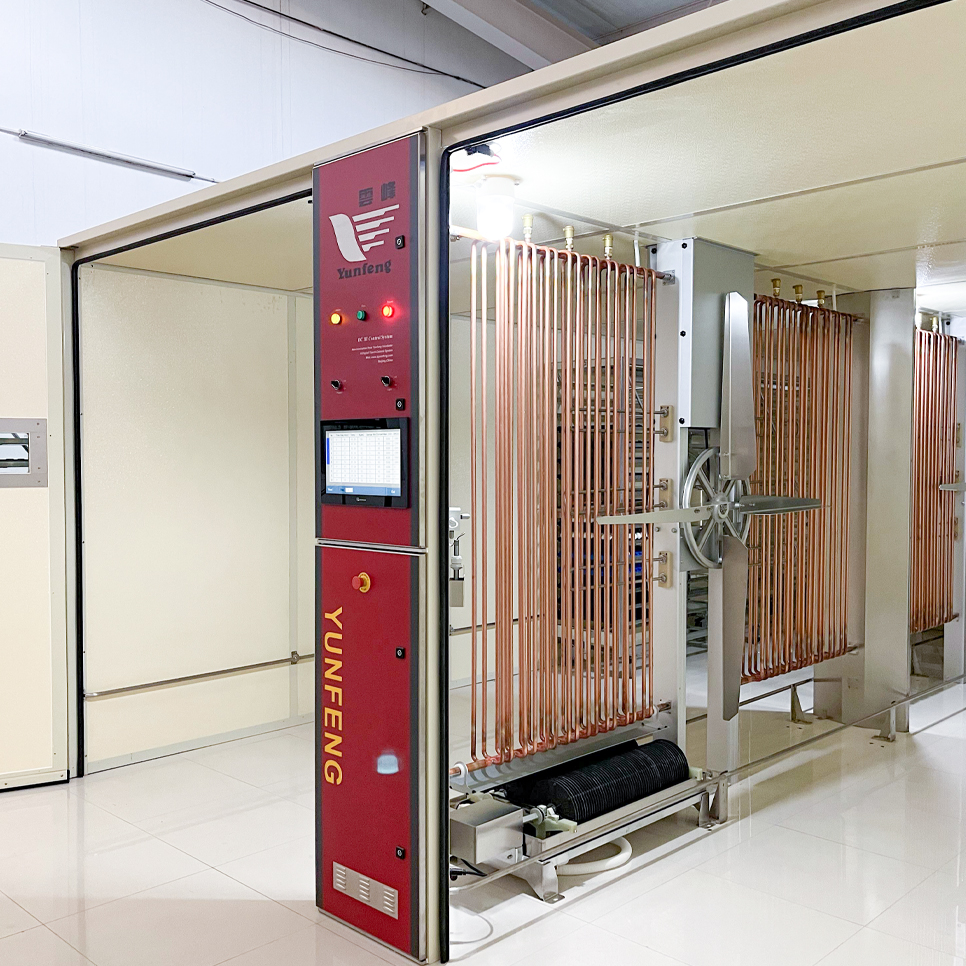
Sophisticated heating elements, including ceramic heaters, heating cables, and radiant panels, work in conjunction with cooling systems to maintain optimal temperature ranges regardless of ambient conditions. Variable-speed fans distribute heated or cooled air evenly throughout incubation chambers, preventing temperature stratification and ensuring uniform conditions across all egg positions. Heat recovery systems capture waste heat from lighting or electronic components, improving energy efficiency while contributing to overall temperature management.
Proportional-integral-derivative control algorithms continuously adjust heating and cooling outputs based on real-time temperature feedback, minimizing temperature overshoot and maintaining tight control tolerances. These advanced control systems can compensate for thermal loads introduced by egg turning mechanisms, door openings, or external temperature changes, maintaining stable internal conditions throughout varying operational scenarios. Emergency backup systems ensure continued temperature control during power outages or primary system failures, protecting valuable breeding stock from temperature-related losses.
Environmental Factors Affecting Temperature Control
Humidity Interaction with Temperature Management
The relationship between humidity and temperature creates complex interactions that significantly impact embryonic development outcomes. High humidity levels can interfere with natural evaporation processes that help regulate egg temperature, while low humidity may accelerate moisture loss and create localized cooling effects. Effective egg incubator temperature control systems must account for these humidity-temperature interactions to maintain optimal development conditions.
Evaporative cooling effects become more pronounced in low-humidity environments, requiring additional heating input to maintain target temperatures. Conversely, high-humidity conditions may require enhanced ventilation to prevent condensation formation that could interfere with temperature sensor accuracy or create microclimates within the incubation chamber. Integrated humidity and temperature control systems optimize both parameters simultaneously, ensuring compatible environmental conditions throughout the incubation period.
Ventilation and Air Circulation Considerations
Proper air circulation plays a crucial role in maintaining uniform temperature distribution while providing essential gas exchange for developing embryos. Inadequate ventilation can create temperature gradients that result in uneven development rates across different areas of the incubator. Excessive air movement, however, can cause rapid heat loss and temperature instability that stresses developing embryos.
Strategic placement of ventilation inlets and outlets, combined with variable-speed circulation fans, creates optimal airflow patterns that support both temperature uniformity and gas exchange requirements. Computational fluid dynamics modeling helps designers optimize ventilation systems to minimize temperature variations while ensuring adequate oxygen supply and carbon dioxide removal. Regular maintenance of ventilation components prevents dust accumulation or mechanical wear that could compromise both temperature control and air quality.
Quality Assurance and Performance Optimization
Calibration and Maintenance Protocols
Regular calibration of temperature sensors and control systems ensures continued accuracy and reliability of egg incubator temperature control systems. Calibration protocols should include verification against certified reference standards, documentation of measurement accuracy, and adjustment of control parameters when necessary. Professional calibration services provide traceable accuracy standards that meet industry requirements and regulatory compliance needs.
Preventive maintenance schedules address potential issues before they compromise temperature control performance, including cleaning of heating elements, inspection of insulation integrity, and testing of backup systems. Documentation of maintenance activities provides valuable data for identifying trends, optimizing replacement schedules, and ensuring consistent system performance. Training programs for operators and maintenance personnel ensure proper handling of sophisticated temperature control equipment and prompt identification of potential problems.
Performance Monitoring and Data Analysis
Comprehensive data logging systems capture detailed temperature profiles that enable analysis of system performance and identification of optimization opportunities. Statistical analysis of temperature data reveals patterns that may indicate equipment wear, environmental changes, or operational factors affecting temperature stability. Correlation analysis between temperature control performance and hatching outcomes helps validate the effectiveness of control strategies and identify areas for improvement.
Benchmarking temperature control performance against industry standards provides objective measures of system effectiveness and helps justify equipment upgrades or process improvements. Regular performance reviews should include assessment of temperature uniformity, stability, response time, and energy efficiency metrics. Continuous improvement programs utilize performance data to refine control algorithms, optimize maintenance schedules, and enhance overall system reliability.
Economic Impact of Optimal Temperature Control
Hatching Success Rate Improvements
Precise egg incubator temperature control directly translates to improved hatching success rates, which represent significant economic benefits for commercial breeding operations. Studies demonstrate that maintaining temperature within optimal ranges can increase hatching rates by 5-15% compared to systems with poor temperature control. These improvements result in higher yields from the same number of fertile eggs, reducing per-unit production costs and increasing profitability.
Consistent temperature management also reduces the incidence of late-stage embryonic mortality, which represents a substantial loss of investment in terms of time, energy, and resources. Early identification of temperature-related problems through advanced monitoring systems allows for corrective actions that can salvage affected batches, further improving overall economic outcomes. The economic value of improved hatching success often justifies investments in sophisticated temperature control equipment within relatively short payback periods.
Energy Efficiency and Operational Cost Reduction
Advanced egg incubator temperature control systems incorporate energy-efficient technologies that reduce operational costs while maintaining optimal performance. Variable-speed drives, smart controls, and heat recovery systems minimize energy consumption without compromising temperature stability. Energy monitoring capabilities identify opportunities for further efficiency improvements and help operators optimize system settings for different operational conditions.
Automated control systems reduce labor requirements for temperature monitoring and adjustment, freeing personnel for other productive activities. Remote monitoring capabilities eliminate the need for frequent physical inspections while ensuring continuous oversight of critical temperature parameters. These operational efficiencies contribute to overall cost reduction and improved competitiveness in commercial breeding operations.
FAQ
What temperature range is optimal for chicken egg incubation?
Chicken eggs require temperatures between 99.5°F and 100.5°F (37.5°C to 38.1°C) for optimal embryonic development. Maintaining temperatures within this narrow range throughout the 21-day incubation period maximizes hatching success rates and ensures healthy chick development. Temperature variations beyond ±0.5°F can significantly impact development outcomes and should be avoided through proper egg incubator temperature control systems.
How frequently should incubator temperature sensors be calibrated?
Temperature sensors in commercial incubation systems should be calibrated at least annually, with more frequent calibration recommended for critical applications or high-throughput operations. Monthly verification checks using certified reference thermometers help identify sensor drift between formal calibrations. Any sensor showing deviations greater than ±0.2°F should be recalibrated immediately to maintain accurate temperature control and protect valuable breeding stock.
Can power outages damage developing embryos through temperature loss?
Power outages pose significant risks to developing embryos, as temperature drops below optimal ranges can cause developmental delays or mortality within hours. Embryos in early development stages show greater sensitivity to temperature drops, while late-stage embryos may survive brief outages if temperatures remain above 95°F (35°C). Backup power systems, battery-powered heating elements, or emergency heating protocols are essential for protecting valuable breeding stock during power interruptions.
What role does insulation play in temperature control effectiveness?
Quality insulation significantly improves temperature control effectiveness by reducing heat loss and minimizing the workload on heating systems. Proper insulation maintains temperature uniformity, reduces energy consumption, and provides thermal stability during ambient temperature fluctuations. Regular inspection of insulation integrity, including checking for gaps, moisture damage, or deterioration, ensures continued effectiveness of egg incubator temperature control systems and prevents costly temperature control failures.
Effective egg incubator temperature control serves as the cornerstone of successful embryonic development across numerous species, from commercial poultry operations to specialized breeding programs. The precise regulation of thermal conditions within incubation environments directly influences cellular differentiation, organ formation, and overall hatching success rates. Modern incubation systems rely on sophisticated monitoring and adjustment mechanisms that maintain optimal temperature ranges throughout the critical developmental phases. Understanding the intricate relationship between thermal management and embryonic outcomes enables breeders and researchers to maximize productivity while ensuring healthy offspring development.
Critical Temperature Ranges for Embryonic Development
Species-Specific Temperature Requirements
Different species exhibit varying temperature sensitivity during incubation periods, making accurate egg incubator temperature control essential for optimal outcomes. Chicken embryos typically require temperatures between 99.5°F and 100.5°F (37.5°C to 38.1°C) during the initial development stages, with slight adjustments needed as embryos progress toward hatching. Duck and goose eggs demand similar temperature ranges but show greater tolerance to minor fluctuations due to their larger size and different shell characteristics. Quail eggs, being significantly smaller, require more precise temperature management, often maintaining temperatures at the higher end of the acceptable range to compensate for rapid heat loss.
Reptilian species present unique challenges for egg incubator temperature control systems, as many species exhibit temperature-dependent sex determination. Turtle eggs may require temperatures between 81°F and 88°F (27°C to 31°C), with specific temperatures determining the sex ratio of hatchlings. Snake eggs typically develop successfully within ranges of 78°F to 84°F (26°C to 29°C), though some species may require higher temperatures approaching 86°F (30°C). These variations underscore the importance of understanding species-specific requirements when designing effective temperature control systems.
Temperature Stability Throughout Incubation Cycles
Maintaining consistent temperature levels becomes increasingly critical as embryonic development progresses through distinct phases. Early-stage development, particularly during the first week of incubation, shows remarkable sensitivity to temperature variations that can result in developmental abnormalities or complete embryonic failure. Mid-stage development requires steady temperatures to support rapid organ formation and vascular system development, while late-stage incubation benefits from slight temperature reductions to facilitate proper positioning for hatching.
Professional incubation systems incorporate multiple temperature sensors and feedback mechanisms to ensure uniformity across all areas of the incubation chamber. Effective egg incubator temperature control systems monitor temperature variations as small as 0.1°F to prevent hot spots or cold zones that could compromise embryonic development. Advanced systems utilize thermal modeling to predict temperature distribution patterns and adjust heating elements accordingly, maintaining optimal conditions even during external temperature fluctuations or power variations.
Impact of Temperature Fluctuations on Embryonic Growth
Cellular Development and Differentiation Effects
Temperature variations during critical developmental windows can profoundly affect cellular division rates and differentiation patterns within developing embryos. Elevated temperatures beyond optimal ranges accelerate metabolic processes, potentially leading to malformed organs or premature development that outpaces proper cellular organization. Conversely, temperatures below optimal thresholds slow cellular division and can result in developmental delays that ultimately compromise hatching success rates and post-hatch viability.
Research demonstrates that even brief temperature excursions can trigger epigenetic changes that influence gene expression patterns throughout embryonic development. These molecular-level alterations may manifest as physical deformities, reduced immune system function, or behavioral abnormalities in hatched offspring. Consistent egg incubator temperature control helps prevent such disruptions by maintaining stable thermal environments that support normal gene expression and cellular differentiation processes.
Cardiovascular and Neural System Development
The cardiovascular system shows particular sensitivity to temperature variations during embryonic development, with heart formation and vascular network establishment requiring precise thermal conditions. Temperature fluctuations during critical cardiac development phases can result in structural heart defects, improper vessel formation, or inadequate circulation patterns that affect overall embryonic viability. Neural system development similarly depends on stable temperatures to ensure proper neural tube closure and brain formation processes.
Optimal egg incubator temperature control supports the formation of complex neural networks that govern motor function, sensory perception, and behavioral responses in post-hatch animals. Temperature stress during neurogenesis can lead to cognitive impairments, reduced learning capacity, or altered behavioral patterns that persist throughout the animal's life. These long-term consequences emphasize the importance of maintaining precise temperature control throughout the entire incubation period.
Advanced Temperature Control Technologies
Sensor Integration and Monitoring Systems
Modern incubation systems incorporate multiple temperature sensors strategically positioned throughout incubation chambers to provide comprehensive thermal monitoring. These sensors utilize thermocouples, resistance temperature detectors, or infrared sensing technologies to deliver accurate temperature readings with minimal response lag. Data logging capabilities allow operators to track temperature patterns over extended periods, identifying potential system drift or environmental factors that may affect temperature stability.
Wireless sensor networks enable remote monitoring of egg incubator temperature control systems, allowing operators to receive immediate alerts when temperatures deviate from preset parameters. Cloud-based monitoring platforms aggregate temperature data from multiple incubators, providing comprehensive oversight of large-scale operations and enabling predictive maintenance scheduling. Integration with mobile applications allows real-time monitoring and adjustment capabilities, ensuring continuous supervision even during off-hours or remote operations.
Heating and Cooling Integration Systems
Sophisticated heating elements, including ceramic heaters, heating cables, and radiant panels, work in conjunction with cooling systems to maintain optimal temperature ranges regardless of ambient conditions. Variable-speed fans distribute heated or cooled air evenly throughout incubation chambers, preventing temperature stratification and ensuring uniform conditions across all egg positions. Heat recovery systems capture waste heat from lighting or electronic components, improving energy efficiency while contributing to overall temperature management.
Proportional-integral-derivative control algorithms continuously adjust heating and cooling outputs based on real-time temperature feedback, minimizing temperature overshoot and maintaining tight control tolerances. These advanced control systems can compensate for thermal loads introduced by egg turning mechanisms, door openings, or external temperature changes, maintaining stable internal conditions throughout varying operational scenarios. Emergency backup systems ensure continued temperature control during power outages or primary system failures, protecting valuable breeding stock from temperature-related losses.
Environmental Factors Affecting Temperature Control
Humidity Interaction with Temperature Management
The relationship between humidity and temperature creates complex interactions that significantly impact embryonic development outcomes. High humidity levels can interfere with natural evaporation processes that help regulate egg temperature, while low humidity may accelerate moisture loss and create localized cooling effects. Effective egg incubator temperature control systems must account for these humidity-temperature interactions to maintain optimal development conditions.
Evaporative cooling effects become more pronounced in low-humidity environments, requiring additional heating input to maintain target temperatures. Conversely, high-humidity conditions may require enhanced ventilation to prevent condensation formation that could interfere with temperature sensor accuracy or create microclimates within the incubation chamber. Integrated humidity and temperature control systems optimize both parameters simultaneously, ensuring compatible environmental conditions throughout the incubation period.
Ventilation and Air Circulation Considerations
Proper air circulation plays a crucial role in maintaining uniform temperature distribution while providing essential gas exchange for developing embryos. Inadequate ventilation can create temperature gradients that result in uneven development rates across different areas of the incubator. Excessive air movement, however, can cause rapid heat loss and temperature instability that stresses developing embryos.
Strategic placement of ventilation inlets and outlets, combined with variable-speed circulation fans, creates optimal airflow patterns that support both temperature uniformity and gas exchange requirements. Computational fluid dynamics modeling helps designers optimize ventilation systems to minimize temperature variations while ensuring adequate oxygen supply and carbon dioxide removal. Regular maintenance of ventilation components prevents dust accumulation or mechanical wear that could compromise both temperature control and air quality.
Quality Assurance and Performance Optimization
Calibration and Maintenance Protocols
Regular calibration of temperature sensors and control systems ensures continued accuracy and reliability of egg incubator temperature control systems. Calibration protocols should include verification against certified reference standards, documentation of measurement accuracy, and adjustment of control parameters when necessary. Professional calibration services provide traceable accuracy standards that meet industry requirements and regulatory compliance needs.
Preventive maintenance schedules address potential issues before they compromise temperature control performance, including cleaning of heating elements, inspection of insulation integrity, and testing of backup systems. Documentation of maintenance activities provides valuable data for identifying trends, optimizing replacement schedules, and ensuring consistent system performance. Training programs for operators and maintenance personnel ensure proper handling of sophisticated temperature control equipment and prompt identification of potential problems.
Performance Monitoring and Data Analysis
Comprehensive data logging systems capture detailed temperature profiles that enable analysis of system performance and identification of optimization opportunities. Statistical analysis of temperature data reveals patterns that may indicate equipment wear, environmental changes, or operational factors affecting temperature stability. Correlation analysis between temperature control performance and hatching outcomes helps validate the effectiveness of control strategies and identify areas for improvement.
Benchmarking temperature control performance against industry standards provides objective measures of system effectiveness and helps justify equipment upgrades or process improvements. Regular performance reviews should include assessment of temperature uniformity, stability, response time, and energy efficiency metrics. Continuous improvement programs utilize performance data to refine control algorithms, optimize maintenance schedules, and enhance overall system reliability.
Economic Impact of Optimal Temperature Control
Hatching Success Rate Improvements
Precise egg incubator temperature control directly translates to improved hatching success rates, which represent significant economic benefits for commercial breeding operations. Studies demonstrate that maintaining temperature within optimal ranges can increase hatching rates by 5-15% compared to systems with poor temperature control. These improvements result in higher yields from the same number of fertile eggs, reducing per-unit production costs and increasing profitability.
Consistent temperature management also reduces the incidence of late-stage embryonic mortality, which represents a substantial loss of investment in terms of time, energy, and resources. Early identification of temperature-related problems through advanced monitoring systems allows for corrective actions that can salvage affected batches, further improving overall economic outcomes. The economic value of improved hatching success often justifies investments in sophisticated temperature control equipment within relatively short payback periods.
Energy Efficiency and Operational Cost Reduction
Advanced egg incubator temperature control systems incorporate energy-efficient technologies that reduce operational costs while maintaining optimal performance. Variable-speed drives, smart controls, and heat recovery systems minimize energy consumption without compromising temperature stability. Energy monitoring capabilities identify opportunities for further efficiency improvements and help operators optimize system settings for different operational conditions.
Automated control systems reduce labor requirements for temperature monitoring and adjustment, freeing personnel for other productive activities. Remote monitoring capabilities eliminate the need for frequent physical inspections while ensuring continuous oversight of critical temperature parameters. These operational efficiencies contribute to overall cost reduction and improved competitiveness in commercial breeding operations.
FAQ
What temperature range is optimal for chicken egg incubation?
Chicken eggs require temperatures between 99.5°F and 100.5°F (37.5°C to 38.1°C) for optimal embryonic development. Maintaining temperatures within this narrow range throughout the 21-day incubation period maximizes hatching success rates and ensures healthy chick development. Temperature variations beyond ±0.5°F can significantly impact development outcomes and should be avoided through proper egg incubator temperature control systems.
How frequently should incubator temperature sensors be calibrated?
Temperature sensors in commercial incubation systems should be calibrated at least annually, with more frequent calibration recommended for critical applications or high-throughput operations. Monthly verification checks using certified reference thermometers help identify sensor drift between formal calibrations. Any sensor showing deviations greater than ±0.2°F should be recalibrated immediately to maintain accurate temperature control and protect valuable breeding stock.
Can power outages damage developing embryos through temperature loss?
Power outages pose significant risks to developing embryos, as temperature drops below optimal ranges can cause developmental delays or mortality within hours. Embryos in early development stages show greater sensitivity to temperature drops, while late-stage embryos may survive brief outages if temperatures remain above 95°F (35°C). Backup power systems, battery-powered heating elements, or emergency heating protocols are essential for protecting valuable breeding stock during power interruptions.
What role does insulation play in temperature control effectiveness?
Quality insulation significantly improves temperature control effectiveness by reducing heat loss and minimizing the workload on heating systems. Proper insulation maintains temperature uniformity, reduces energy consumption, and provides thermal stability during ambient temperature fluctuations. Regular inspection of insulation integrity, including checking for gaps, moisture damage, or deterioration, ensures continued effectiveness of egg incubator temperature control systems and prevents costly temperature control failures.