EN
EN

Why Calibration of Sensors Matters for a Chicken Incubator
Operating a successful chicken incubator requires precise environmental control, and at the heart of this control lies the accuracy of your sensors. Temperature fluctuations of just one degree Celsius or humidity variations of five percent can dramatically impact hatch rates, embryo development, and chick viability. The difference between a professional-grade hatchery operation and a disappointing batch of unhatched eggs often comes down to sensor calibration. Understanding why calibration matters transforms how poultry producers approach incubation management, directly affecting their bottom line and production consistency.
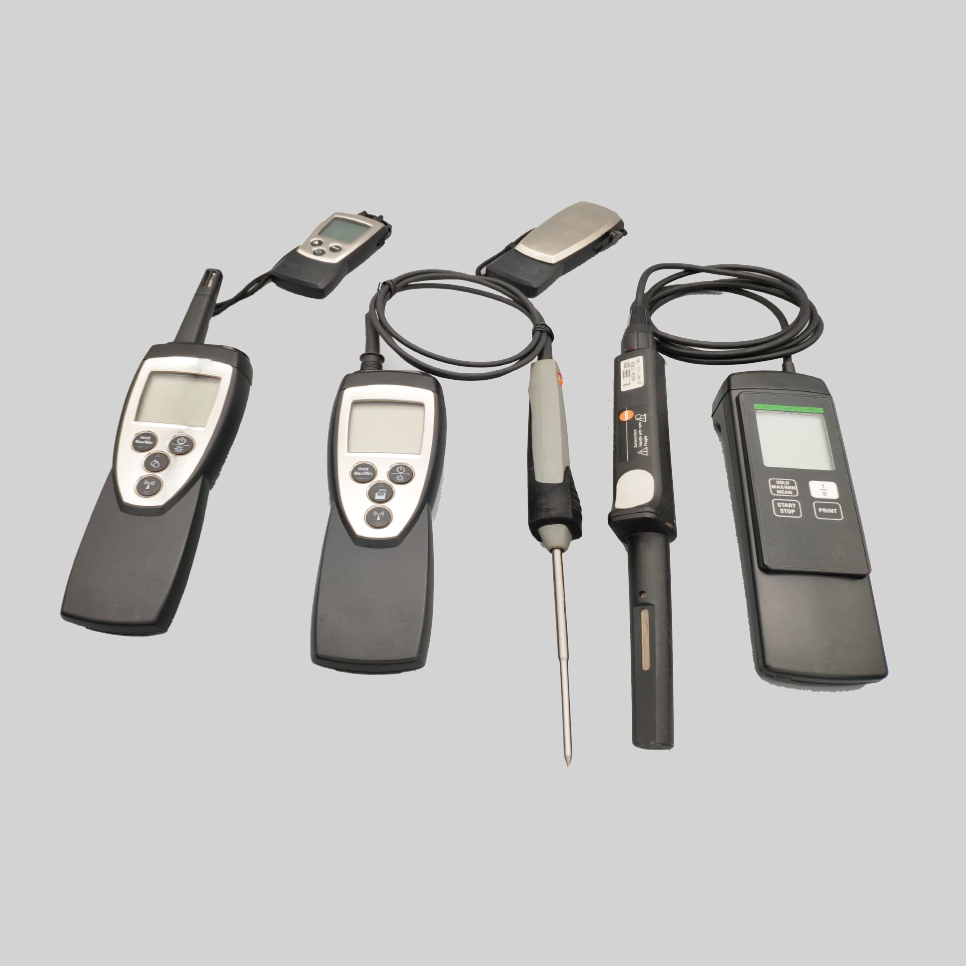
Sensor calibration represents the critical process of ensuring that measurement devices within your chicken incubator accurately reflect true environmental conditions. Without proper calibration, operators make decisions based on faulty data, leading to suboptimal incubation parameters that compromise embryonic development. This article examines the fundamental reasons why sensor calibration cannot be treated as optional maintenance but must be recognized as an essential practice for anyone serious about maximizing hatch success rates and maintaining healthy poultry stock.
The Critical Role of Accurate Temperature Monitoring
Temperature Sensitivity During Embryonic Development
Chicken embryos exhibit extreme sensitivity to temperature variations throughout the incubation cycle. The optimal temperature range for a standard chicken incubator typically falls between 37.5 and 37.8 degrees Celsius, with different stages of development requiring subtle adjustments. When sensors drift from accurate readings by even half a degree, embryos may experience developmental delays, positional abnormalities, or complete mortality. Research consistently demonstrates that temperature deviations outside the narrow acceptable range result in measurably reduced hatch rates and increased chick deformities.
Uncalibrated temperature sensors create a dangerous disconnect between displayed readings and actual chamber conditions. An operator may believe their chicken incubator maintains perfect temperature stability while embryos experience thermal stress that manifests days later as poor hatch performance. Early-stage embryos exposed to excessive heat may die within the first week, while late-stage embryos subjected to suboptimal temperatures often fail to pip or emerge with weakened constitutions. Calibration eliminates this measurement uncertainty, allowing operators to trust their equipment and make informed adjustments.
Professional hatchery operations recognize that temperature precision directly correlates with profitability. Commercial facilities processing thousands of eggs weekly cannot afford the economic losses associated with sensor drift. By implementing regular calibration protocols, these operations maintain consistent hatch rates that justify the modest investment in calibration equipment and procedures. Even small-scale producers benefit proportionally, as improved accuracy translates to better outcomes regardless of operation size.
Heat Distribution and Sensor Placement Accuracy
Modern chicken incubator designs incorporate multiple sensors to monitor temperature distribution across the incubation chamber. However, positional variations in airflow, heating element proximity, and insulation quality create microenvironments within the same unit. Calibrated sensors provide reliable data about these temperature gradients, enabling operators to identify hot spots or cold zones that require attention. Without calibration, operators cannot distinguish between actual temperature variations and measurement errors, making effective troubleshooting impossible.
The relationship between sensor accuracy and spatial temperature mapping becomes particularly important in cabinet-style incubators with multiple tray levels. Eggs positioned near heating elements or ventilation openings experience different thermal environments than those in central locations. Properly chicken incubator sensor calibration allows operators to quantify these differences accurately and adjust egg placement or airflow patterns accordingly. This optimization process relies entirely on trustworthy measurement data that only calibrated sensors can provide.
Long-term sensor performance degrades predictably due to component aging, exposure to humidity, and thermal cycling. Temperature sensors that initially provided accurate readings gradually drift over months of continuous operation. Regular calibration detects this drift before it significantly impacts incubation outcomes, allowing preemptive sensor replacement or adjustment. This proactive maintenance approach prevents the sudden discovery of calibration problems after an entire batch fails to hatch successfully.
Humidity Control and Moisture Measurement Precision
The Physiological Importance of Proper Humidity Levels
Humidity regulation within a chicken incubator directly influences embryonic water loss rates, air cell development, and successful hatching. Chicken eggs must lose approximately twelve to fourteen percent of their initial weight during incubation to develop properly sized air cells that facilitate internal pipping. Humidity sensors that read inaccurately cause operators to maintain incorrect moisture levels, resulting in either excessive dehydration or insufficient weight loss. Both conditions severely compromise hatch success and chick quality.
Uncalibrated humidity sensors typically exhibit more dramatic drift than temperature sensors due to contamination from dust, mineral deposits, and organic matter present in chicken incubator environments. A sensor indicating sixty percent relative humidity might actually measure fifty-five or sixty-five percent, pushing conditions outside the optimal range. Embryos developing under these false readings experience physiological stress that manifests as difficulty hatching, positional defects, or post-hatch weakness. Calibration ensures that humidity adjustments target actual rather than perceived environmental conditions.
The economic impact of humidity miscalibration extends beyond immediate hatch rates to affect chick quality and survivability. Chicks emerging from improperly humidified eggs often exhibit reduced vigor, compromised immune function, and higher early mortality rates. For commercial operations, these quality issues translate to customer complaints, reduced sales, and damaged reputation. Small-scale producers similarly suffer when investment in hatching eggs yields weak or non-viable chicks due to preventable measurement errors in their chicken incubator systems.
Humidity Sensor Degradation and Environmental Factors
Capacitive and resistive humidity sensors commonly used in chicken incubator applications are particularly vulnerable to calibration drift. Water vapor exposure combined with temperature cycling accelerates sensor aging, while ammonia and other gases from developing embryos can contaminate sensing elements. Over time, these factors cause measurement bias that operators rarely detect without deliberate calibration checks. The gradual nature of this drift means that poor hatching performance develops slowly, making it difficult to identify humidity miscalibration as the root cause without systematic testing.
Different incubation phases require distinct humidity setpoints, with many protocols calling for increased moisture during the final days before hatching. Accurate humidity measurement becomes especially critical during this lockdown period when embryos position themselves for hatching and elevated humidity prevents membrane desiccation. An uncalibrated sensor might indicate proper lockdown humidity while actual conditions remain too dry, resulting in shrink-wrapped chicks unable to break free from their shells. These preventable losses underscore why calibration represents an essential rather than optional maintenance task.
Professional-grade chicken incubator operations implement calibration schedules based on usage intensity and environmental conditions. High-throughput facilities may calibrate sensors monthly, while smaller operations might adopt quarterly intervals. The specific frequency matters less than establishing a consistent routine that catches drift before it significantly impacts outcomes. Documentation of calibration results also provides valuable troubleshooting data when investigating unexpected hatch failures or quality issues.
Calibration Methods and Practical Implementation
Reference Standards and Calibration Equipment
Effective sensor calibration requires access to reference standards with known accuracy superior to the sensors being tested. For temperature calibration, certified thermometers or calibrated temperature baths provide traceable references. Humidity calibration typically employs saturated salt solutions that generate precise relative humidity levels at specific temperatures. Investing in proper calibration tools costs significantly less than the accumulated losses from operating a chicken incubator with drifted sensors over extended periods.
The calibration process involves comparing sensor readings against reference standards under controlled conditions. Temperature sensors should be tested at multiple points across their operating range, typically including readings near the actual incubation setpoint. Humidity sensors require testing at both typical incubation levels and at the elevated humidity used during lockdown. Documenting these calibration checks creates a performance history that reveals sensor aging patterns and guides replacement decisions before catastrophic failures occur.
Many modern chicken incubator models include digital controllers with offset adjustment capabilities, allowing operators to correct minor calibration errors without sensor replacement. When calibration testing reveals consistent measurement bias, these offset features provide immediate correction. However, sensors exhibiting large or unstable drift should be replaced rather than continuously adjusted, as such behavior indicates component degradation that will likely worsen rapidly.
Establishing Calibration Protocols for Different Operations
Commercial hatcheries benefit from formal calibration programs that include scheduled testing, documentation procedures, and defined acceptance criteria. These programs often align with broader quality management systems and may incorporate third-party calibration services for critical sensors. The investment in systematic calibration procedures pays dividends through improved process consistency, reduced troubleshooting time, and demonstrable quality control for customers.
Small-scale and hobbyist chicken incubator operators can implement simplified calibration routines appropriate to their scale. Even basic wet-bulb thermometer comparisons or salt solution humidity checks provide valuable verification of sensor accuracy. The key lies not in laboratory-grade precision but in regularly confirming that sensors remain within acceptable tolerances. Simple calibration checks performed consistently deliver far better results than sophisticated equipment used sporadically or never.
Seasonal variations and facility environmental changes necessitate recalibration outside normal schedules. Moving a chicken incubator to a different location, experiencing extreme ambient temperature swings, or modifying ventilation systems all justify immediate calibration verification. Proactive checking after environmental changes prevents mysterious hatch failures that might otherwise go unexplained for multiple incubation cycles.
Economic and Operational Benefits of Regular Calibration
Quantifying the Return on Calibration Investment
The financial case for sensor calibration becomes clear when comparing calibration costs against potential losses from poor hatches. A batch of premium hatching eggs represents substantial investment in genetics, collection, and storage. When sensor drift causes a fifteen percent reduction in hatch rate, the monetary loss from unhatched premium eggs far exceeds annual calibration expenses. This economic reality makes calibration not just good practice but sound business decision-making for any serious poultry producer.
Beyond immediate hatch rate impacts, calibration affects chick quality metrics that influence long-term profitability. Birds hatched under optimal conditions exhibit faster growth, better feed conversion, and reduced mortality during grow-out. These performance advantages compound over production cycles, creating substantial value differences between flocks from well-calibrated versus poorly maintained chicken incubator systems. Progressive producers recognize these quality impacts and prioritize calibration as essential infrastructure maintenance.
Time savings represent another significant benefit of proper calibration. Operators working with accurately calibrated chicken incubator equipment spend less time troubleshooting mysterious problems or adjusting settings based on perceived issues. Confidence in sensor readings allows efficient operation focused on productive activities rather than constant equipment questioning. This operational efficiency particularly benefits commercial operations where labor costs constitute major expense categories.
Risk Mitigation and Quality Assurance
Calibration programs serve as foundational elements of comprehensive quality assurance systems. For operations selling chicks or hatching eggs commercially, documented calibration records demonstrate commitment to quality control and provide evidence of due diligence. This documentation becomes particularly valuable when addressing customer concerns or defending against quality complaints. The ability to show regular calibration maintenance helps establish credibility and professional standards.
Insurance and liability considerations also favor systematic calibration practices. Operations experiencing catastrophic hatch failures may face financial claims from customers or partners. Documented calibration records demonstrate responsible equipment maintenance and help establish that failures resulted from factors beyond operator control rather than negligence. While calibration cannot prevent all problems, it substantially strengthens the operational defense against claims of inadequate management.
Regulatory compliance in certain jurisdictions or certification programs may explicitly require documented calibration for commercial poultry production equipment. Meeting these requirements through established calibration procedures ensures continued market access and prevents regulatory complications. Even where not explicitly mandated, calibration records support voluntary certification programs and marketing claims about production quality standards.
FAQ
How often should sensors in a chicken incubator be calibrated?
Calibration frequency depends on usage intensity and sensor type, but most chicken incubator operations benefit from quarterly temperature checks and monthly humidity verification. Commercial high-volume facilities should consider monthly calibration for all sensors, while small-scale operators can extend intervals to every three to six months. Always recalibrate after equipment repairs, relocations, or unexplained hatch performance changes. Establishing a consistent schedule matters more than achieving perfect frequency, as regular checking catches drift before it significantly impacts results.
Can I calibrate chicken incubator sensors myself or do I need professional services?
Most chicken incubator operators can perform basic calibration checks using affordable reference equipment like certified thermometers and humidity calibration kits. Temperature calibration requires comparing your sensors against a traceable reference thermometer in stable conditions, while humidity calibration uses saturated salt solutions that generate known humidity levels. Professional calibration services offer greater precision and formal documentation but cost significantly more. For typical poultry production applications, careful DIY calibration provides adequate accuracy while professional services make sense for critical commercial operations or when troubleshooting persistent problems.
What are the signs that my chicken incubator sensors need calibration?
Declining hatch rates without obvious cause often indicate sensor drift affecting temperature or humidity control. Other warning signs include inconsistent results between batches using identical protocols, chicks with developmental abnormalities suggesting thermal stress, or noticeable discrepancies when comparing multiple thermometers placed in your chicken incubator. Physical sensor contamination, visible corrosion, or equipment age exceeding two years without calibration also warrant immediate checking. Rather than waiting for problems to appear, implement preventive calibration schedules that catch drift before it impacts hatching outcomes.
Does calibrating sensors really improve hatch rates measurably?
Yes, proper calibration demonstrably improves hatch rates by ensuring optimal environmental conditions throughout incubation. Studies comparing calibrated versus uncalibrated chicken incubator operations show hatch rate improvements ranging from five to fifteen percentage points depending on initial sensor accuracy. Even modest calibration improvements translate to significant economic benefits when multiplied across multiple batches annually. The impact becomes especially pronounced with premium genetics or rare breeds where each successful hatch carries substantial value. Calibration essentially ensures that your management decisions and equipment adjustments target actual rather than fictitious environmental conditions.
Operating a successful chicken incubator requires precise environmental control, and at the heart of this control lies the accuracy of your sensors. Temperature fluctuations of just one degree Celsius or humidity variations of five percent can dramatically impact hatch rates, embryo development, and chick viability. The difference between a professional-grade hatchery operation and a disappointing batch of unhatched eggs often comes down to sensor calibration. Understanding why calibration matters transforms how poultry producers approach incubation management, directly affecting their bottom line and production consistency.
Sensor calibration represents the critical process of ensuring that measurement devices within your chicken incubator accurately reflect true environmental conditions. Without proper calibration, operators make decisions based on faulty data, leading to suboptimal incubation parameters that compromise embryonic development. This article examines the fundamental reasons why sensor calibration cannot be treated as optional maintenance but must be recognized as an essential practice for anyone serious about maximizing hatch success rates and maintaining healthy poultry stock.
The Critical Role of Accurate Temperature Monitoring
Temperature Sensitivity During Embryonic Development
Chicken embryos exhibit extreme sensitivity to temperature variations throughout the incubation cycle. The optimal temperature range for a standard chicken incubator typically falls between 37.5 and 37.8 degrees Celsius, with different stages of development requiring subtle adjustments. When sensors drift from accurate readings by even half a degree, embryos may experience developmental delays, positional abnormalities, or complete mortality. Research consistently demonstrates that temperature deviations outside the narrow acceptable range result in measurably reduced hatch rates and increased chick deformities.
Uncalibrated temperature sensors create a dangerous disconnect between displayed readings and actual chamber conditions. An operator may believe their chicken incubator maintains perfect temperature stability while embryos experience thermal stress that manifests days later as poor hatch performance. Early-stage embryos exposed to excessive heat may die within the first week, while late-stage embryos subjected to suboptimal temperatures often fail to pip or emerge with weakened constitutions. Calibration eliminates this measurement uncertainty, allowing operators to trust their equipment and make informed adjustments.
Professional hatchery operations recognize that temperature precision directly correlates with profitability. Commercial facilities processing thousands of eggs weekly cannot afford the economic losses associated with sensor drift. By implementing regular calibration protocols, these operations maintain consistent hatch rates that justify the modest investment in calibration equipment and procedures. Even small-scale producers benefit proportionally, as improved accuracy translates to better outcomes regardless of operation size.
Heat Distribution and Sensor Placement Accuracy
Modern chicken incubator designs incorporate multiple sensors to monitor temperature distribution across the incubation chamber. However, positional variations in airflow, heating element proximity, and insulation quality create microenvironments within the same unit. Calibrated sensors provide reliable data about these temperature gradients, enabling operators to identify hot spots or cold zones that require attention. Without calibration, operators cannot distinguish between actual temperature variations and measurement errors, making effective troubleshooting impossible.
The relationship between sensor accuracy and spatial temperature mapping becomes particularly important in cabinet-style incubators with multiple tray levels. Eggs positioned near heating elements or ventilation openings experience different thermal environments than those in central locations. Properly chicken incubator sensor calibration allows operators to quantify these differences accurately and adjust egg placement or airflow patterns accordingly. This optimization process relies entirely on trustworthy measurement data that only calibrated sensors can provide.
Long-term sensor performance degrades predictably due to component aging, exposure to humidity, and thermal cycling. Temperature sensors that initially provided accurate readings gradually drift over months of continuous operation. Regular calibration detects this drift before it significantly impacts incubation outcomes, allowing preemptive sensor replacement or adjustment. This proactive maintenance approach prevents the sudden discovery of calibration problems after an entire batch fails to hatch successfully.
Humidity Control and Moisture Measurement Precision
The Physiological Importance of Proper Humidity Levels
Humidity regulation within a chicken incubator directly influences embryonic water loss rates, air cell development, and successful hatching. Chicken eggs must lose approximately twelve to fourteen percent of their initial weight during incubation to develop properly sized air cells that facilitate internal pipping. Humidity sensors that read inaccurately cause operators to maintain incorrect moisture levels, resulting in either excessive dehydration or insufficient weight loss. Both conditions severely compromise hatch success and chick quality.
Uncalibrated humidity sensors typically exhibit more dramatic drift than temperature sensors due to contamination from dust, mineral deposits, and organic matter present in chicken incubator environments. A sensor indicating sixty percent relative humidity might actually measure fifty-five or sixty-five percent, pushing conditions outside the optimal range. Embryos developing under these false readings experience physiological stress that manifests as difficulty hatching, positional defects, or post-hatch weakness. Calibration ensures that humidity adjustments target actual rather than perceived environmental conditions.
The economic impact of humidity miscalibration extends beyond immediate hatch rates to affect chick quality and survivability. Chicks emerging from improperly humidified eggs often exhibit reduced vigor, compromised immune function, and higher early mortality rates. For commercial operations, these quality issues translate to customer complaints, reduced sales, and damaged reputation. Small-scale producers similarly suffer when investment in hatching eggs yields weak or non-viable chicks due to preventable measurement errors in their chicken incubator systems.
Humidity Sensor Degradation and Environmental Factors
Capacitive and resistive humidity sensors commonly used in chicken incubator applications are particularly vulnerable to calibration drift. Water vapor exposure combined with temperature cycling accelerates sensor aging, while ammonia and other gases from developing embryos can contaminate sensing elements. Over time, these factors cause measurement bias that operators rarely detect without deliberate calibration checks. The gradual nature of this drift means that poor hatching performance develops slowly, making it difficult to identify humidity miscalibration as the root cause without systematic testing.
Different incubation phases require distinct humidity setpoints, with many protocols calling for increased moisture during the final days before hatching. Accurate humidity measurement becomes especially critical during this lockdown period when embryos position themselves for hatching and elevated humidity prevents membrane desiccation. An uncalibrated sensor might indicate proper lockdown humidity while actual conditions remain too dry, resulting in shrink-wrapped chicks unable to break free from their shells. These preventable losses underscore why calibration represents an essential rather than optional maintenance task.
Professional-grade chicken incubator operations implement calibration schedules based on usage intensity and environmental conditions. High-throughput facilities may calibrate sensors monthly, while smaller operations might adopt quarterly intervals. The specific frequency matters less than establishing a consistent routine that catches drift before it significantly impacts outcomes. Documentation of calibration results also provides valuable troubleshooting data when investigating unexpected hatch failures or quality issues.
Calibration Methods and Practical Implementation
Reference Standards and Calibration Equipment
Effective sensor calibration requires access to reference standards with known accuracy superior to the sensors being tested. For temperature calibration, certified thermometers or calibrated temperature baths provide traceable references. Humidity calibration typically employs saturated salt solutions that generate precise relative humidity levels at specific temperatures. Investing in proper calibration tools costs significantly less than the accumulated losses from operating a chicken incubator with drifted sensors over extended periods.
The calibration process involves comparing sensor readings against reference standards under controlled conditions. Temperature sensors should be tested at multiple points across their operating range, typically including readings near the actual incubation setpoint. Humidity sensors require testing at both typical incubation levels and at the elevated humidity used during lockdown. Documenting these calibration checks creates a performance history that reveals sensor aging patterns and guides replacement decisions before catastrophic failures occur.
Many modern chicken incubator models include digital controllers with offset adjustment capabilities, allowing operators to correct minor calibration errors without sensor replacement. When calibration testing reveals consistent measurement bias, these offset features provide immediate correction. However, sensors exhibiting large or unstable drift should be replaced rather than continuously adjusted, as such behavior indicates component degradation that will likely worsen rapidly.
Establishing Calibration Protocols for Different Operations
Commercial hatcheries benefit from formal calibration programs that include scheduled testing, documentation procedures, and defined acceptance criteria. These programs often align with broader quality management systems and may incorporate third-party calibration services for critical sensors. The investment in systematic calibration procedures pays dividends through improved process consistency, reduced troubleshooting time, and demonstrable quality control for customers.
Small-scale and hobbyist chicken incubator operators can implement simplified calibration routines appropriate to their scale. Even basic wet-bulb thermometer comparisons or salt solution humidity checks provide valuable verification of sensor accuracy. The key lies not in laboratory-grade precision but in regularly confirming that sensors remain within acceptable tolerances. Simple calibration checks performed consistently deliver far better results than sophisticated equipment used sporadically or never.
Seasonal variations and facility environmental changes necessitate recalibration outside normal schedules. Moving a chicken incubator to a different location, experiencing extreme ambient temperature swings, or modifying ventilation systems all justify immediate calibration verification. Proactive checking after environmental changes prevents mysterious hatch failures that might otherwise go unexplained for multiple incubation cycles.
Economic and Operational Benefits of Regular Calibration
Quantifying the Return on Calibration Investment
The financial case for sensor calibration becomes clear when comparing calibration costs against potential losses from poor hatches. A batch of premium hatching eggs represents substantial investment in genetics, collection, and storage. When sensor drift causes a fifteen percent reduction in hatch rate, the monetary loss from unhatched premium eggs far exceeds annual calibration expenses. This economic reality makes calibration not just good practice but sound business decision-making for any serious poultry producer.
Beyond immediate hatch rate impacts, calibration affects chick quality metrics that influence long-term profitability. Birds hatched under optimal conditions exhibit faster growth, better feed conversion, and reduced mortality during grow-out. These performance advantages compound over production cycles, creating substantial value differences between flocks from well-calibrated versus poorly maintained chicken incubator systems. Progressive producers recognize these quality impacts and prioritize calibration as essential infrastructure maintenance.
Time savings represent another significant benefit of proper calibration. Operators working with accurately calibrated chicken incubator equipment spend less time troubleshooting mysterious problems or adjusting settings based on perceived issues. Confidence in sensor readings allows efficient operation focused on productive activities rather than constant equipment questioning. This operational efficiency particularly benefits commercial operations where labor costs constitute major expense categories.
Risk Mitigation and Quality Assurance
Calibration programs serve as foundational elements of comprehensive quality assurance systems. For operations selling chicks or hatching eggs commercially, documented calibration records demonstrate commitment to quality control and provide evidence of due diligence. This documentation becomes particularly valuable when addressing customer concerns or defending against quality complaints. The ability to show regular calibration maintenance helps establish credibility and professional standards.
Insurance and liability considerations also favor systematic calibration practices. Operations experiencing catastrophic hatch failures may face financial claims from customers or partners. Documented calibration records demonstrate responsible equipment maintenance and help establish that failures resulted from factors beyond operator control rather than negligence. While calibration cannot prevent all problems, it substantially strengthens the operational defense against claims of inadequate management.
Regulatory compliance in certain jurisdictions or certification programs may explicitly require documented calibration for commercial poultry production equipment. Meeting these requirements through established calibration procedures ensures continued market access and prevents regulatory complications. Even where not explicitly mandated, calibration records support voluntary certification programs and marketing claims about production quality standards.
FAQ
How often should sensors in a chicken incubator be calibrated?
Calibration frequency depends on usage intensity and sensor type, but most chicken incubator operations benefit from quarterly temperature checks and monthly humidity verification. Commercial high-volume facilities should consider monthly calibration for all sensors, while small-scale operators can extend intervals to every three to six months. Always recalibrate after equipment repairs, relocations, or unexplained hatch performance changes. Establishing a consistent schedule matters more than achieving perfect frequency, as regular checking catches drift before it significantly impacts results.
Can I calibrate chicken incubator sensors myself or do I need professional services?
Most chicken incubator operators can perform basic calibration checks using affordable reference equipment like certified thermometers and humidity calibration kits. Temperature calibration requires comparing your sensors against a traceable reference thermometer in stable conditions, while humidity calibration uses saturated salt solutions that generate known humidity levels. Professional calibration services offer greater precision and formal documentation but cost significantly more. For typical poultry production applications, careful DIY calibration provides adequate accuracy while professional services make sense for critical commercial operations or when troubleshooting persistent problems.
What are the signs that my chicken incubator sensors need calibration?
Declining hatch rates without obvious cause often indicate sensor drift affecting temperature or humidity control. Other warning signs include inconsistent results between batches using identical protocols, chicks with developmental abnormalities suggesting thermal stress, or noticeable discrepancies when comparing multiple thermometers placed in your chicken incubator. Physical sensor contamination, visible corrosion, or equipment age exceeding two years without calibration also warrant immediate checking. Rather than waiting for problems to appear, implement preventive calibration schedules that catch drift before it impacts hatching outcomes.
Does calibrating sensors really improve hatch rates measurably?
Yes, proper calibration demonstrably improves hatch rates by ensuring optimal environmental conditions throughout incubation. Studies comparing calibrated versus uncalibrated chicken incubator operations show hatch rate improvements ranging from five to fifteen percentage points depending on initial sensor accuracy. Even modest calibration improvements translate to significant economic benefits when multiplied across multiple batches annually. The impact becomes especially pronounced with premium genetics or rare breeds where each successful hatch carries substantial value. Calibration essentially ensures that your management decisions and equipment adjustments target actual rather than fictitious environmental conditions.