EN
EN


Why choose automatic vs manual egg incubator systems?
Choosing the right egg incubator is a critical decision that can significantly impact your hatching success rates and overall productivity in poultry farming or breeding operations. Modern egg incubator technology has evolved dramatically over the past decades, offering farmers and hobbyists a wide range of options from basic manual systems to sophisticated automatic units. Understanding the fundamental differences between automatic and manual egg incubator systems will help you make an informed investment that aligns with your specific needs, budget constraints, and operational goals. The decision between these two approaches involves evaluating factors such as convenience, consistency, initial costs, maintenance requirements, and the scale of your hatching operations.
Understanding Manual Egg Incubator Systems
Basic Operation and Control Methods
Manual egg incubator systems require constant human intervention and monitoring throughout the incubation period. These units typically feature basic heating elements, simple thermostats, and rudimentary humidity controls that must be adjusted manually based on environmental conditions and incubation stages. Operators need to turn eggs by hand multiple times daily, monitor temperature fluctuations, and manually adjust ventilation settings. The learning curve for operating a manual egg incubator can be steep, requiring operators to develop expertise in recognizing optimal conditions and making timely adjustments. Despite their simplicity, manual systems can achieve excellent hatching results when operated by experienced users who understand the intricacies of embryonic development.
Temperature regulation in manual egg incubator units relies heavily on operator vigilance and environmental stability. Most manual systems use analog controls that require frequent calibration and adjustment to maintain the precise 99.5°F temperature needed for optimal embryonic development. Humidity levels must be monitored using separate hygrometers and adjusted through manual addition or removal of water from reservoir trays. The absence of automated alerts means operators must establish regular checking schedules to ensure conditions remain within acceptable ranges throughout the 21-day incubation period.
Cost Considerations and Investment Requirements
Manual egg incubator systems typically represent the most budget-friendly entry point into artificial incubation, making them attractive options for beginners, small-scale hobbyists, and educational institutions. Initial purchase prices for manual units can range from under $100 for basic still-air models to several hundred dollars for forced-air systems with better temperature distribution. The lower upfront investment makes manual egg incubator systems accessible to farmers testing incubation viability or those with limited budgets. However, the total cost of ownership should include factors such as energy consumption, replacement parts, and the value of time spent on manual monitoring and adjustment.
Operating costs for manual systems often remain relatively low due to their simple construction and fewer electronic components that might require replacement or repair. Maintenance typically involves basic cleaning, occasional thermostat calibration, and replacement of heating elements or fan motors when they fail. The simplicity of manual egg incubator designs means that many repairs can be performed by users with basic technical skills, reducing dependence on specialized service technicians. However, the hidden costs associated with potential losses due to human error, inconsistent conditions, or missed monitoring cycles should be factored into the overall economic evaluation.
Exploring Automatic Egg Incubator Technology
Advanced Control Systems and Automation Features
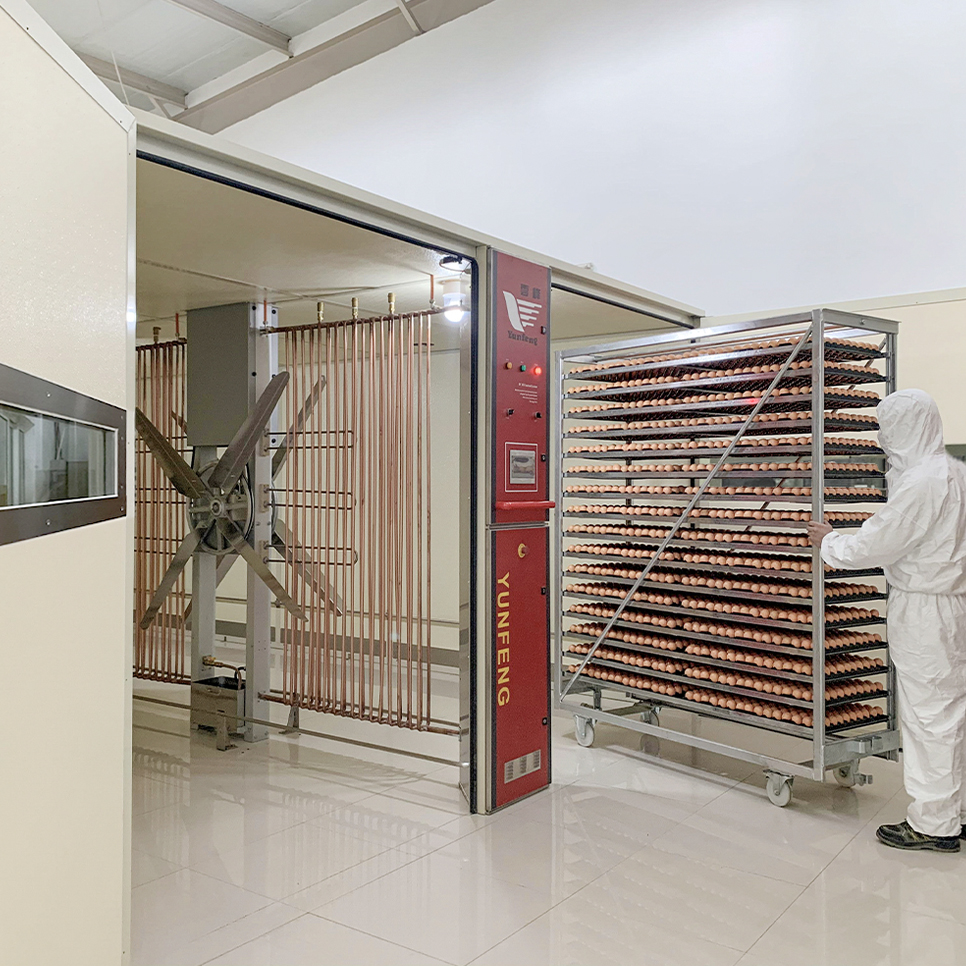
Automatic egg incubator systems incorporate sophisticated electronic controls that manage temperature, humidity, ventilation, and egg turning without requiring constant human intervention. These units feature digital thermostats with precise temperature control, automated humidity regulation systems, and programmable turning mechanisms that rotate eggs at predetermined intervals. Advanced models include microprocessor-based controllers that can store multiple incubation programs for different species, automatic alarm systems for out-of-range conditions, and data logging capabilities for tracking incubation parameters. The automation reduces the risk of human error while ensuring consistent environmental conditions throughout the entire incubation period.
Modern automatic egg incubator systems often include features such as automatic candling lights, staged hatching programs, and emergency backup systems that maintain critical functions during power interruptions. Some premium models offer remote monitoring capabilities through smartphone applications, allowing operators to check conditions and receive alerts from anywhere. The integration of sensors throughout the incubation chamber provides real-time feedback to the control system, enabling immediate adjustments to maintain optimal conditions. These sophisticated features make automatic systems particularly valuable for commercial operations where consistency and reliability are paramount.
Operational Efficiency and Scalability
The operational efficiency of automatic egg incubator systems becomes particularly evident in larger-scale operations where manual monitoring would be impractical or impossible. Automatic systems can handle hundreds or thousands of eggs simultaneously while maintaining consistent conditions across multiple zones or chambers. The precision of automated controls typically results in higher hatch rates and more uniform chick quality compared to manual systems. Labor requirements are significantly reduced, allowing operators to focus on other aspects of their breeding programs rather than constant incubator monitoring.
Scalability represents a major advantage of automatic egg incubator systems, as multiple units can be operated simultaneously without proportionally increasing labor requirements. Commercial breeding operations often utilize modular automatic systems that can be expanded incrementally as production demands grow. The consistency provided by automation becomes increasingly important as scale increases, where even small variations in conditions can result in significant losses across large numbers of eggs. The ability to program different incubation protocols for various species or breeding programs adds flexibility that manual systems cannot match.
Performance Comparison and Hatching Success Rates
Temperature and Humidity Precision
Temperature precision represents one of the most critical factors affecting hatching success, and automatic egg incubator systems typically maintain much tighter control tolerances than manual units. While manual systems might experience temperature fluctuations of several degrees throughout the day, automatic systems can maintain temperatures within 0.1°F of the set point. This precision is particularly important during critical developmental stages when even brief temperature excursions can result in embryonic mortality or developmental abnormalities. The consistent environment provided by automatic systems translates directly into improved hatch rates and stronger, more viable chicks.
Humidity control in automatic egg incubator systems offers similar advantages in precision and consistency compared to manual systems. Automated humidity regulation systems can respond immediately to changes in environmental conditions, maintaining optimal moisture levels throughout the incubation period. The ability to program different humidity levels for different stages of incubation ensures optimal conditions for air cell development and proper hatching. Manual systems rely on operator vigilance and experience to maintain appropriate humidity levels, making them more susceptible to variations that can affect hatching success.
Consistency and Reliability Factors
The consistency provided by automatic egg incubator systems extends beyond basic environmental controls to include factors such as egg turning frequency, ventilation patterns, and alarm responses. Automatic turning systems ensure that eggs are rotated at optimal intervals throughout the incubation period, preventing embryos from sticking to shell membranes and promoting proper development. The reliability of automatic systems reduces the risk of catastrophic losses due to equipment failure or operator error, making them particularly valuable for commercial operations where consistency is essential for profitability.
Reliability in egg incubator performance encompasses both mechanical dependability and the consistency of hatching results over multiple cycles. Automatic systems typically demonstrate more predictable performance characteristics, allowing operators to plan production schedules with greater confidence. The reduced variability in hatching timing and success rates enables better coordination with downstream processes such as brooding, vaccination, and distribution. Manual systems, while capable of excellent results, inherently introduce more variability due to human factors and the potential for inconsistent operation.
Economic Analysis and Return on Investment
Initial Investment and Payback Periods
The initial investment required for automatic egg incubator systems can range from several hundred to several thousand dollars, depending on capacity, features, and build quality. While this represents a significantly higher upfront cost compared to manual systems, the payback period often justifies the investment through improved hatch rates, reduced labor costs, and decreased losses due to operational errors. Commercial operations typically see payback periods of 12-24 months when factoring in the improved productivity and reduced labor requirements of automatic systems. The investment analysis should consider not only the purchase price but also installation costs, training requirements, and any facility modifications needed to accommodate the new equipment.
Long-term economic benefits of automatic egg incubator systems often extend beyond direct operational savings to include factors such as improved product quality, more predictable production schedules, and enhanced ability to scale operations. The consistency of automatic systems can lead to stronger customer relationships and premium pricing for high-quality chicks. Additionally, the reduced labor requirements allow operators to focus on other value-added activities such as breeding program improvements, customer service, or business development initiatives that can generate additional revenue streams.
Operating Costs and Maintenance Expenses
Operating costs for automatic egg incubator systems typically include higher electricity consumption due to additional electronic components, sensors, and control systems. However, the improved efficiency of modern automatic systems often results in lower overall energy consumption per successfully hatched chick compared to manual systems. Maintenance costs for automatic systems can be higher due to the complexity of electronic components and the need for specialized service when major components fail. Preventive maintenance programs become more important with automatic systems to ensure continued reliability and performance.
The total cost of ownership analysis should include factors such as replacement parts availability, service support, and the potential for technology obsolescence in automatic egg incubator systems. While manual systems may have lower maintenance costs, they often require more frequent operator intervention and monitoring, which represents a significant hidden cost in terms of labor time and opportunity costs. The improved reliability and consistency of automatic systems often result in lower costs per hatched chick when all factors are considered, making them more economically attractive for serious breeding operations.
Selection Criteria and Decision Framework
Assessing Your Operation Scale and Goals
The decision between manual and automatic egg incubator systems should begin with a thorough assessment of your current and projected operational scale, production goals, and available resources. Small-scale hobbyists incubating fewer than 50 eggs per cycle may find manual systems perfectly adequate for their needs, while commercial operations handling hundreds or thousands of eggs require the consistency and efficiency of automatic systems. Consider factors such as available time for monitoring, technical expertise, and the importance of consistent results to your overall operation.
Future growth plans play a crucial role in egg incubator selection, as upgrading from manual to automatic systems later may require significant additional investment and operational disruption. Operators planning to expand their breeding programs should consider investing in automatic systems early, even if current volumes don't fully justify the higher initial cost. The scalability advantages of automatic systems make them more suitable for operations with growth ambitions, while manual systems may limit expansion possibilities due to labor and monitoring constraints.
Technical Requirements and Infrastructure Considerations
The technical requirements for automatic egg incubator systems often exceed those of manual units, including stable electrical power, appropriate ventilation, and sometimes specialized installation requirements. Automatic systems may require dedicated electrical circuits, backup power systems, and environmental controls in the incubator room to ensure optimal performance. The complexity of automatic systems also necessitates operator training and ongoing technical support, which should be factored into the selection decision. Consider the availability of technical support, replacement parts, and service expertise in your geographic area when evaluating automatic systems.
Infrastructure requirements extend beyond basic installation to include factors such as data management, record keeping, and integration with existing farm management systems. Advanced automatic egg incubator systems may offer connectivity options that allow integration with broader farm automation systems, providing valuable production data and insights. The ability to maintain detailed incubation records becomes increasingly important for commercial operations seeking to optimize breeding programs and demonstrate quality control to customers.
FAQ
What is the typical lifespan difference between manual and automatic egg incubators?
Manual egg incubator systems typically have longer mechanical lifespans due to their simpler construction, often lasting 10-15 years with proper maintenance. Automatic systems may have shorter lifespans of 7-10 years due to the complexity of electronic components, but they often provide better performance throughout their operational life. The key difference lies in the maintenance requirements and component replacement needs, with automatic systems requiring more sophisticated technical support but delivering more consistent results during their operational period.
How much time does manual monitoring require compared to automatic operation?
Manual egg incubator operation typically requires 15-30 minutes of monitoring time every 4-6 hours throughout the 21-day incubation period, including temperature checks, humidity adjustments, and egg turning. This translates to approximately 2-3 hours of daily attention during active incubation. Automatic systems reduce this to brief daily inspections of 5-10 minutes to verify proper operation and address any alarm conditions, representing a significant reduction in required labor time.
Can manual egg incubators achieve the same hatch rates as automatic systems?
Experienced operators can achieve excellent hatch rates with manual egg incubator systems, sometimes matching or even exceeding automatic system performance under ideal conditions. However, the consistency of results tends to be lower with manual systems due to human factors and environmental variations. Automatic systems provide more reliable and repeatable results, particularly important for commercial operations where consistency is critical for business success and customer satisfaction.
What happens during power outages with each type of egg incubator system?
Both manual and automatic egg incubator systems are vulnerable to power outages, but automatic systems often include battery backup systems or emergency protocols that can maintain critical functions for several hours. Manual systems may retain heat longer due to simpler construction and thermal mass, but lack the sophisticated monitoring and alert systems that help operators respond quickly to power disruptions. Backup power systems are recommended for both types when reliable electricity supply is a concern, but automatic systems typically offer more comprehensive protection options.
Choosing the right egg incubator is a critical decision that can significantly impact your hatching success rates and overall productivity in poultry farming or breeding operations. Modern egg incubator technology has evolved dramatically over the past decades, offering farmers and hobbyists a wide range of options from basic manual systems to sophisticated automatic units. Understanding the fundamental differences between automatic and manual egg incubator systems will help you make an informed investment that aligns with your specific needs, budget constraints, and operational goals. The decision between these two approaches involves evaluating factors such as convenience, consistency, initial costs, maintenance requirements, and the scale of your hatching operations.
Understanding Manual Egg Incubator Systems
Basic Operation and Control Methods
Manual egg incubator systems require constant human intervention and monitoring throughout the incubation period. These units typically feature basic heating elements, simple thermostats, and rudimentary humidity controls that must be adjusted manually based on environmental conditions and incubation stages. Operators need to turn eggs by hand multiple times daily, monitor temperature fluctuations, and manually adjust ventilation settings. The learning curve for operating a manual egg incubator can be steep, requiring operators to develop expertise in recognizing optimal conditions and making timely adjustments. Despite their simplicity, manual systems can achieve excellent hatching results when operated by experienced users who understand the intricacies of embryonic development.
Temperature regulation in manual egg incubator units relies heavily on operator vigilance and environmental stability. Most manual systems use analog controls that require frequent calibration and adjustment to maintain the precise 99.5°F temperature needed for optimal embryonic development. Humidity levels must be monitored using separate hygrometers and adjusted through manual addition or removal of water from reservoir trays. The absence of automated alerts means operators must establish regular checking schedules to ensure conditions remain within acceptable ranges throughout the 21-day incubation period.
Cost Considerations and Investment Requirements
Manual egg incubator systems typically represent the most budget-friendly entry point into artificial incubation, making them attractive options for beginners, small-scale hobbyists, and educational institutions. Initial purchase prices for manual units can range from under $100 for basic still-air models to several hundred dollars for forced-air systems with better temperature distribution. The lower upfront investment makes manual egg incubator systems accessible to farmers testing incubation viability or those with limited budgets. However, the total cost of ownership should include factors such as energy consumption, replacement parts, and the value of time spent on manual monitoring and adjustment.
Operating costs for manual systems often remain relatively low due to their simple construction and fewer electronic components that might require replacement or repair. Maintenance typically involves basic cleaning, occasional thermostat calibration, and replacement of heating elements or fan motors when they fail. The simplicity of manual egg incubator designs means that many repairs can be performed by users with basic technical skills, reducing dependence on specialized service technicians. However, the hidden costs associated with potential losses due to human error, inconsistent conditions, or missed monitoring cycles should be factored into the overall economic evaluation.
Exploring Automatic Egg Incubator Technology
Advanced Control Systems and Automation Features
Automatic egg incubator systems incorporate sophisticated electronic controls that manage temperature, humidity, ventilation, and egg turning without requiring constant human intervention. These units feature digital thermostats with precise temperature control, automated humidity regulation systems, and programmable turning mechanisms that rotate eggs at predetermined intervals. Advanced models include microprocessor-based controllers that can store multiple incubation programs for different species, automatic alarm systems for out-of-range conditions, and data logging capabilities for tracking incubation parameters. The automation reduces the risk of human error while ensuring consistent environmental conditions throughout the entire incubation period.
Modern automatic egg incubator systems often include features such as automatic candling lights, staged hatching programs, and emergency backup systems that maintain critical functions during power interruptions. Some premium models offer remote monitoring capabilities through smartphone applications, allowing operators to check conditions and receive alerts from anywhere. The integration of sensors throughout the incubation chamber provides real-time feedback to the control system, enabling immediate adjustments to maintain optimal conditions. These sophisticated features make automatic systems particularly valuable for commercial operations where consistency and reliability are paramount.
Operational Efficiency and Scalability
The operational efficiency of automatic egg incubator systems becomes particularly evident in larger-scale operations where manual monitoring would be impractical or impossible. Automatic systems can handle hundreds or thousands of eggs simultaneously while maintaining consistent conditions across multiple zones or chambers. The precision of automated controls typically results in higher hatch rates and more uniform chick quality compared to manual systems. Labor requirements are significantly reduced, allowing operators to focus on other aspects of their breeding programs rather than constant incubator monitoring.
Scalability represents a major advantage of automatic egg incubator systems, as multiple units can be operated simultaneously without proportionally increasing labor requirements. Commercial breeding operations often utilize modular automatic systems that can be expanded incrementally as production demands grow. The consistency provided by automation becomes increasingly important as scale increases, where even small variations in conditions can result in significant losses across large numbers of eggs. The ability to program different incubation protocols for various species or breeding programs adds flexibility that manual systems cannot match.
Performance Comparison and Hatching Success Rates
Temperature and Humidity Precision
Temperature precision represents one of the most critical factors affecting hatching success, and automatic egg incubator systems typically maintain much tighter control tolerances than manual units. While manual systems might experience temperature fluctuations of several degrees throughout the day, automatic systems can maintain temperatures within 0.1°F of the set point. This precision is particularly important during critical developmental stages when even brief temperature excursions can result in embryonic mortality or developmental abnormalities. The consistent environment provided by automatic systems translates directly into improved hatch rates and stronger, more viable chicks.
Humidity control in automatic egg incubator systems offers similar advantages in precision and consistency compared to manual systems. Automated humidity regulation systems can respond immediately to changes in environmental conditions, maintaining optimal moisture levels throughout the incubation period. The ability to program different humidity levels for different stages of incubation ensures optimal conditions for air cell development and proper hatching. Manual systems rely on operator vigilance and experience to maintain appropriate humidity levels, making them more susceptible to variations that can affect hatching success.
Consistency and Reliability Factors
The consistency provided by automatic egg incubator systems extends beyond basic environmental controls to include factors such as egg turning frequency, ventilation patterns, and alarm responses. Automatic turning systems ensure that eggs are rotated at optimal intervals throughout the incubation period, preventing embryos from sticking to shell membranes and promoting proper development. The reliability of automatic systems reduces the risk of catastrophic losses due to equipment failure or operator error, making them particularly valuable for commercial operations where consistency is essential for profitability.
Reliability in egg incubator performance encompasses both mechanical dependability and the consistency of hatching results over multiple cycles. Automatic systems typically demonstrate more predictable performance characteristics, allowing operators to plan production schedules with greater confidence. The reduced variability in hatching timing and success rates enables better coordination with downstream processes such as brooding, vaccination, and distribution. Manual systems, while capable of excellent results, inherently introduce more variability due to human factors and the potential for inconsistent operation.
Economic Analysis and Return on Investment
Initial Investment and Payback Periods
The initial investment required for automatic egg incubator systems can range from several hundred to several thousand dollars, depending on capacity, features, and build quality. While this represents a significantly higher upfront cost compared to manual systems, the payback period often justifies the investment through improved hatch rates, reduced labor costs, and decreased losses due to operational errors. Commercial operations typically see payback periods of 12-24 months when factoring in the improved productivity and reduced labor requirements of automatic systems. The investment analysis should consider not only the purchase price but also installation costs, training requirements, and any facility modifications needed to accommodate the new equipment.
Long-term economic benefits of automatic egg incubator systems often extend beyond direct operational savings to include factors such as improved product quality, more predictable production schedules, and enhanced ability to scale operations. The consistency of automatic systems can lead to stronger customer relationships and premium pricing for high-quality chicks. Additionally, the reduced labor requirements allow operators to focus on other value-added activities such as breeding program improvements, customer service, or business development initiatives that can generate additional revenue streams.
Operating Costs and Maintenance Expenses
Operating costs for automatic egg incubator systems typically include higher electricity consumption due to additional electronic components, sensors, and control systems. However, the improved efficiency of modern automatic systems often results in lower overall energy consumption per successfully hatched chick compared to manual systems. Maintenance costs for automatic systems can be higher due to the complexity of electronic components and the need for specialized service when major components fail. Preventive maintenance programs become more important with automatic systems to ensure continued reliability and performance.
The total cost of ownership analysis should include factors such as replacement parts availability, service support, and the potential for technology obsolescence in automatic egg incubator systems. While manual systems may have lower maintenance costs, they often require more frequent operator intervention and monitoring, which represents a significant hidden cost in terms of labor time and opportunity costs. The improved reliability and consistency of automatic systems often result in lower costs per hatched chick when all factors are considered, making them more economically attractive for serious breeding operations.
Selection Criteria and Decision Framework
Assessing Your Operation Scale and Goals
The decision between manual and automatic egg incubator systems should begin with a thorough assessment of your current and projected operational scale, production goals, and available resources. Small-scale hobbyists incubating fewer than 50 eggs per cycle may find manual systems perfectly adequate for their needs, while commercial operations handling hundreds or thousands of eggs require the consistency and efficiency of automatic systems. Consider factors such as available time for monitoring, technical expertise, and the importance of consistent results to your overall operation.
Future growth plans play a crucial role in egg incubator selection, as upgrading from manual to automatic systems later may require significant additional investment and operational disruption. Operators planning to expand their breeding programs should consider investing in automatic systems early, even if current volumes don't fully justify the higher initial cost. The scalability advantages of automatic systems make them more suitable for operations with growth ambitions, while manual systems may limit expansion possibilities due to labor and monitoring constraints.
Technical Requirements and Infrastructure Considerations
The technical requirements for automatic egg incubator systems often exceed those of manual units, including stable electrical power, appropriate ventilation, and sometimes specialized installation requirements. Automatic systems may require dedicated electrical circuits, backup power systems, and environmental controls in the incubator room to ensure optimal performance. The complexity of automatic systems also necessitates operator training and ongoing technical support, which should be factored into the selection decision. Consider the availability of technical support, replacement parts, and service expertise in your geographic area when evaluating automatic systems.
Infrastructure requirements extend beyond basic installation to include factors such as data management, record keeping, and integration with existing farm management systems. Advanced automatic egg incubator systems may offer connectivity options that allow integration with broader farm automation systems, providing valuable production data and insights. The ability to maintain detailed incubation records becomes increasingly important for commercial operations seeking to optimize breeding programs and demonstrate quality control to customers.
FAQ
What is the typical lifespan difference between manual and automatic egg incubators?
Manual egg incubator systems typically have longer mechanical lifespans due to their simpler construction, often lasting 10-15 years with proper maintenance. Automatic systems may have shorter lifespans of 7-10 years due to the complexity of electronic components, but they often provide better performance throughout their operational life. The key difference lies in the maintenance requirements and component replacement needs, with automatic systems requiring more sophisticated technical support but delivering more consistent results during their operational period.
How much time does manual monitoring require compared to automatic operation?
Manual egg incubator operation typically requires 15-30 minutes of monitoring time every 4-6 hours throughout the 21-day incubation period, including temperature checks, humidity adjustments, and egg turning. This translates to approximately 2-3 hours of daily attention during active incubation. Automatic systems reduce this to brief daily inspections of 5-10 minutes to verify proper operation and address any alarm conditions, representing a significant reduction in required labor time.
Can manual egg incubators achieve the same hatch rates as automatic systems?
Experienced operators can achieve excellent hatch rates with manual egg incubator systems, sometimes matching or even exceeding automatic system performance under ideal conditions. However, the consistency of results tends to be lower with manual systems due to human factors and environmental variations. Automatic systems provide more reliable and repeatable results, particularly important for commercial operations where consistency is critical for business success and customer satisfaction.
What happens during power outages with each type of egg incubator system?
Both manual and automatic egg incubator systems are vulnerable to power outages, but automatic systems often include battery backup systems or emergency protocols that can maintain critical functions for several hours. Manual systems may retain heat longer due to simpler construction and thermal mass, but lack the sophisticated monitoring and alert systems that help operators respond quickly to power disruptions. Backup power systems are recommended for both types when reliable electricity supply is a concern, but automatic systems typically offer more comprehensive protection options.