EN
EN


How Does a Chicken Incubator Improve Hatching Efficiency for Poultry Farms?
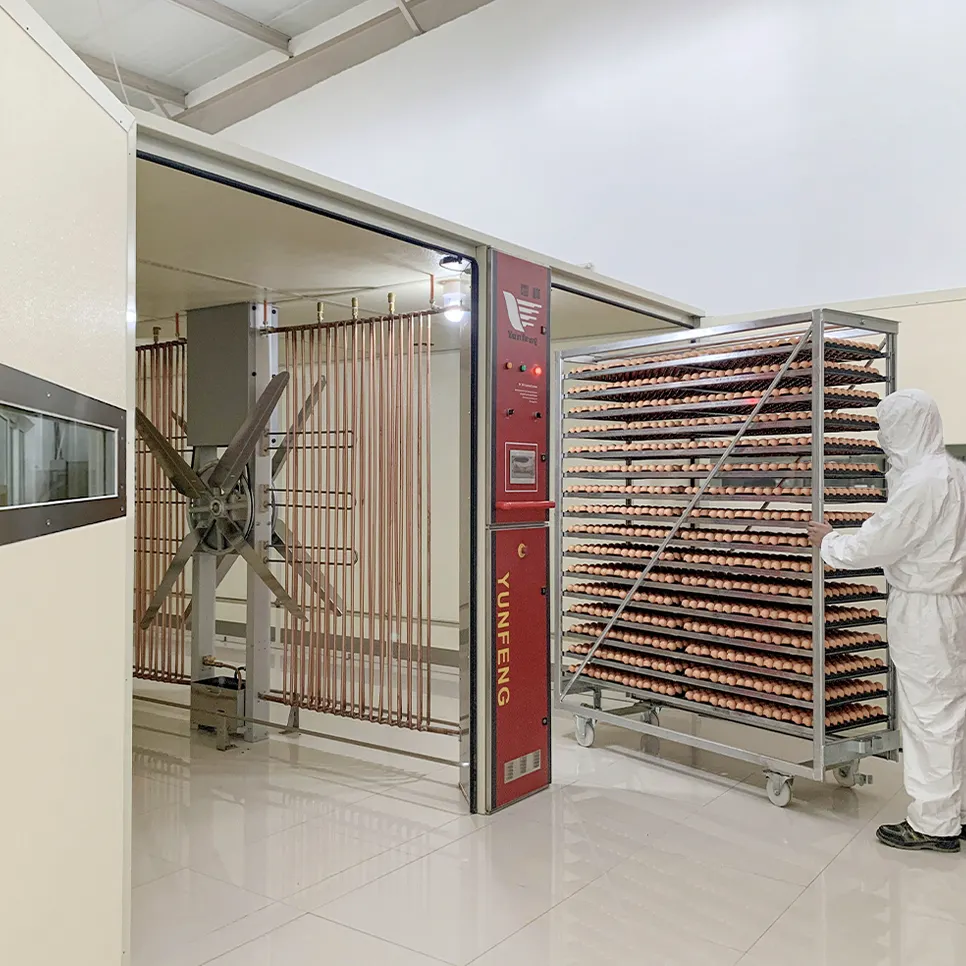
Modern poultry farming demands precision, consistency, and reliability to maximize productivity and profitability. A chicken incubator serves as the cornerstone technology that transforms fertilized eggs into healthy chicks through controlled artificial incubation. This sophisticated equipment replaces the natural brooding process, offering farmers unprecedented control over temperature, humidity, ventilation, and turning mechanisms that directly impact hatching success rates.
The implementation of artificial incubation systems has revolutionized commercial poultry operations worldwide, enabling farmers to achieve hatching rates that consistently exceed natural brooding methods. Professional-grade incubation equipment provides the environmental stability necessary for optimal embryonic development, while reducing dependency on broody hens and seasonal breeding cycles.
Understanding Incubation Technology and Its Core Components
Temperature Control Systems and Precision Heating
Temperature regulation represents the most critical factor in successful artificial incubation, as embryonic development requires consistent thermal conditions throughout the 21-day incubation period. Modern chicken incubator units incorporate advanced heating elements, circulation fans, and digital thermostats that maintain temperatures within narrow tolerances of 99.5°F (37.5°C). These precision heating systems prevent temperature fluctuations that could result in developmental abnormalities, delayed hatching, or embryonic mortality.
Professional incubation equipment features multiple temperature sensors strategically positioned throughout the incubation chamber to ensure uniform heat distribution. This multi-point monitoring system eliminates hot spots and cold zones that commonly occur in basic incubation setups, providing consistent thermal conditions for every egg regardless of its position within the unit.
Humidity Management and Moisture Control
Proper humidity levels play a crucial role in embryonic development and successful hatching, requiring precise control throughout different incubation phases. During the first 18 days, optimal humidity levels range between 55-60% to support proper embryonic growth, while the final three days require increased humidity levels of 65-70% to facilitate the hatching process.
Advanced incubation systems incorporate automatic humidity control mechanisms that monitor moisture levels continuously and adjust water evaporation rates accordingly. These systems prevent the common problems associated with excessive or insufficient humidity, including shrink-wrapped chicks, delayed hatching, and reduced overall hatch rates that significantly impact farm productivity.
Automated Egg Turning Mechanisms and Their Impact
Importance of Regular Egg Movement
Automated egg turning represents a fundamental advancement in incubation technology that eliminates the labor-intensive manual turning process while ensuring optimal embryonic development. Natural incubation involves broody hens turning their eggs multiple times daily to prevent the developing embryo from adhering to the shell membrane and to promote proper positioning for hatching.
Modern chicken incubator systems incorporate motorized turning mechanisms that rotate eggs at predetermined intervals, typically every 2-4 hours during the first 18 days of incubation. This automated process ensures consistent egg movement without human intervention, reducing labor costs while maintaining the precise turning schedule necessary for healthy chick development.
Turning Angle Optimization and Timing
Professional incubation equipment employs specific turning angles and timing sequences that have been optimized through extensive research and field testing. Most commercial units turn eggs through a 90-degree arc, providing sufficient movement to prevent embryonic adhesion while avoiding excessive agitation that could damage developing embryos.
The timing of egg turning follows carefully established protocols that support natural embryonic positioning and development. During the final three days before hatching, automated systems cease turning operations to allow chicks to assume proper hatching positions, demonstrating the sophisticated programming capabilities of modern incubation technology.
Ventilation Systems and Air Quality Management
Oxygen Supply and Carbon Dioxide Removal
Proper ventilation ensures adequate oxygen supply for developing embryos while removing excess carbon dioxide and other metabolic gases that accumulate during incubation. Commercial chicken incubator units feature carefully designed air circulation systems that maintain optimal atmospheric conditions throughout the incubation chamber without creating harmful drafts or temperature variations.
Advanced ventilation systems incorporate variable-speed fans and adjustable air vents that respond to changing atmospheric conditions within the incubation environment. These systems automatically adjust airflow rates based on embryonic oxygen consumption patterns, which increase significantly during the latter stages of development as chicks prepare for hatching.
Air Circulation Patterns and Distribution
Effective air circulation requires strategic positioning of intake and exhaust vents to create uniform airflow patterns throughout the incubation chamber. Professional-grade equipment utilizes computational fluid dynamics principles to optimize air movement, ensuring every egg receives adequate fresh air circulation regardless of its position within the unit.
Modern incubation systems feature multiple circulation zones that can be independently controlled to accommodate different egg types or developmental stages. This zonal approach allows farmers to optimize environmental conditions for specific breeding programs or to segregate eggs with different incubation requirements within the same unit.
Digital Monitoring and Control Systems
Real-Time Parameter Tracking
Contemporary incubation equipment incorporates sophisticated digital monitoring systems that track critical parameters in real-time, providing farmers with comprehensive data on temperature, humidity, turning frequency, and ventilation rates. These monitoring systems generate detailed logs that enable precise analysis of incubation conditions and identification of factors that influence hatching success.
Digital control interfaces allow operators to adjust incubation parameters remotely and receive immediate alerts when conditions deviate from optimal ranges. This capability enables rapid response to environmental changes, preventing potential losses and maintaining consistent incubation quality across multiple production cycles.
Alarm Systems and Automated Responses
Professional chicken incubator systems feature comprehensive alarm networks that monitor all critical functions and alert operators to potential problems before they impact egg viability. These systems include backup power supplies, redundant sensors, and automatic failsafe mechanisms that protect valuable breeding stock during equipment malfunctions or power outages.
Advanced units incorporate predictive maintenance features that monitor equipment performance and schedule preventive service intervals. This proactive approach minimizes unexpected downtime while ensuring optimal incubation conditions throughout the production season, directly contributing to improved hatching efficiency and farm profitability.
Capacity Planning and Scalability Considerations
Matching Incubator Capacity to Farm Requirements
Selecting appropriate incubation capacity requires careful analysis of production goals, breeding schedules, and market demands to ensure optimal resource utilization. Commercial operations must consider both current production requirements and future expansion plans when investing in incubation infrastructure, as properly sized equipment provides the foundation for sustainable growth.
Modern incubation systems offer modular designs that allow farmers to expand capacity incrementally as their operations grow. This scalable approach enables efficient capital allocation while maintaining operational flexibility to respond to changing market conditions or production requirements.
Multi-Stage Incubation Strategies
Advanced poultry operations often implement multi-stage incubation protocols that optimize equipment utilization while maintaining consistent chick production schedules. This approach involves staggered egg setting schedules that maximize incubator throughput while ensuring continuous chick availability for downstream production processes.
Professional incubation management requires careful coordination of breeding programs, egg collection schedules, and hatching timelines to achieve optimal efficiency. Modern equipment supports these complex scheduling requirements through programmable controllers that can manage multiple incubation cycles simultaneously.
Economic Benefits and Return on Investment
Improved Hatching Rates and Reduced Mortality
Commercial chicken incubator technology consistently delivers superior hatching rates compared to natural brooding methods, with properly managed systems achieving hatchability rates exceeding 85% from fertile eggs. This improvement directly translates to increased revenue generation and better utilization of breeding stock investments.
Reduced embryonic mortality rates result from the precise environmental control that modern incubation equipment provides, eliminating many of the variables that contribute to hatching failures in natural or primitive artificial incubation systems. These improvements compound over multiple production cycles, generating substantial economic benefits for commercial poultry operations.
Labor Efficiency and Operational Cost Reduction
Automated incubation systems significantly reduce labor requirements associated with egg management, turning, and environmental monitoring, allowing farm personnel to focus on other critical production activities. The elimination of manual turning and constant temperature monitoring represents substantial labor cost savings that contribute directly to improved operational profitability.
Modern incubation equipment operates with minimal supervision requirements, enabling farms to maintain consistent production schedules without dedicating full-time personnel to incubation management. This automation capability proves particularly valuable during peak production periods when labor resources are stretched across multiple farm operations.
FAQ
What temperature should be maintained in a chicken incubator throughout the incubation period?
The optimal temperature for chicken incubation is 99.5°F (37.5°C) measured at egg level, maintained consistently throughout the 21-day incubation period. Temperature variations should not exceed ±0.5°F to ensure proper embryonic development and maximize hatching success rates.
How often should eggs be turned during artificial incubation?
Eggs should be turned every 2-4 hours during the first 18 days of incubation, typically requiring 6-12 turning cycles per day. Automated turning systems eliminate manual labor while ensuring consistent turning intervals that promote healthy embryonic development and prevent adhesion to shell membranes.
What humidity levels are required for successful chicken incubation?
Humidity levels should be maintained at 55-60% during the first 18 days of incubation, then increased to 65-70% during the final three days of hatching. Proper humidity control prevents common hatching problems and ensures optimal chick quality and survival rates.
How long does the complete chicken incubation cycle take from start to finish?
The complete chicken incubation cycle requires exactly 21 days under optimal conditions, with hatching typically occurring between day 20-22. Variations in hatching timing usually indicate temperature control issues or genetic factors that may require adjustment of incubation parameters for future cycles.
Modern poultry farming demands precision, consistency, and reliability to maximize productivity and profitability. A chicken incubator serves as the cornerstone technology that transforms fertilized eggs into healthy chicks through controlled artificial incubation. This sophisticated equipment replaces the natural brooding process, offering farmers unprecedented control over temperature, humidity, ventilation, and turning mechanisms that directly impact hatching success rates.
The implementation of artificial incubation systems has revolutionized commercial poultry operations worldwide, enabling farmers to achieve hatching rates that consistently exceed natural brooding methods. Professional-grade incubation equipment provides the environmental stability necessary for optimal embryonic development, while reducing dependency on broody hens and seasonal breeding cycles.
Understanding Incubation Technology and Its Core Components
Temperature Control Systems and Precision Heating
Temperature regulation represents the most critical factor in successful artificial incubation, as embryonic development requires consistent thermal conditions throughout the 21-day incubation period. Modern chicken incubator units incorporate advanced heating elements, circulation fans, and digital thermostats that maintain temperatures within narrow tolerances of 99.5°F (37.5°C). These precision heating systems prevent temperature fluctuations that could result in developmental abnormalities, delayed hatching, or embryonic mortality.
Professional incubation equipment features multiple temperature sensors strategically positioned throughout the incubation chamber to ensure uniform heat distribution. This multi-point monitoring system eliminates hot spots and cold zones that commonly occur in basic incubation setups, providing consistent thermal conditions for every egg regardless of its position within the unit.
Humidity Management and Moisture Control
Proper humidity levels play a crucial role in embryonic development and successful hatching, requiring precise control throughout different incubation phases. During the first 18 days, optimal humidity levels range between 55-60% to support proper embryonic growth, while the final three days require increased humidity levels of 65-70% to facilitate the hatching process.
Advanced incubation systems incorporate automatic humidity control mechanisms that monitor moisture levels continuously and adjust water evaporation rates accordingly. These systems prevent the common problems associated with excessive or insufficient humidity, including shrink-wrapped chicks, delayed hatching, and reduced overall hatch rates that significantly impact farm productivity.
Automated Egg Turning Mechanisms and Their Impact
Importance of Regular Egg Movement
Automated egg turning represents a fundamental advancement in incubation technology that eliminates the labor-intensive manual turning process while ensuring optimal embryonic development. Natural incubation involves broody hens turning their eggs multiple times daily to prevent the developing embryo from adhering to the shell membrane and to promote proper positioning for hatching.
Modern chicken incubator systems incorporate motorized turning mechanisms that rotate eggs at predetermined intervals, typically every 2-4 hours during the first 18 days of incubation. This automated process ensures consistent egg movement without human intervention, reducing labor costs while maintaining the precise turning schedule necessary for healthy chick development.
Turning Angle Optimization and Timing
Professional incubation equipment employs specific turning angles and timing sequences that have been optimized through extensive research and field testing. Most commercial units turn eggs through a 90-degree arc, providing sufficient movement to prevent embryonic adhesion while avoiding excessive agitation that could damage developing embryos.
The timing of egg turning follows carefully established protocols that support natural embryonic positioning and development. During the final three days before hatching, automated systems cease turning operations to allow chicks to assume proper hatching positions, demonstrating the sophisticated programming capabilities of modern incubation technology.
Ventilation Systems and Air Quality Management
Oxygen Supply and Carbon Dioxide Removal
Proper ventilation ensures adequate oxygen supply for developing embryos while removing excess carbon dioxide and other metabolic gases that accumulate during incubation. Commercial chicken incubator units feature carefully designed air circulation systems that maintain optimal atmospheric conditions throughout the incubation chamber without creating harmful drafts or temperature variations.
Advanced ventilation systems incorporate variable-speed fans and adjustable air vents that respond to changing atmospheric conditions within the incubation environment. These systems automatically adjust airflow rates based on embryonic oxygen consumption patterns, which increase significantly during the latter stages of development as chicks prepare for hatching.
Air Circulation Patterns and Distribution
Effective air circulation requires strategic positioning of intake and exhaust vents to create uniform airflow patterns throughout the incubation chamber. Professional-grade equipment utilizes computational fluid dynamics principles to optimize air movement, ensuring every egg receives adequate fresh air circulation regardless of its position within the unit.
Modern incubation systems feature multiple circulation zones that can be independently controlled to accommodate different egg types or developmental stages. This zonal approach allows farmers to optimize environmental conditions for specific breeding programs or to segregate eggs with different incubation requirements within the same unit.
Digital Monitoring and Control Systems
Real-Time Parameter Tracking
Contemporary incubation equipment incorporates sophisticated digital monitoring systems that track critical parameters in real-time, providing farmers with comprehensive data on temperature, humidity, turning frequency, and ventilation rates. These monitoring systems generate detailed logs that enable precise analysis of incubation conditions and identification of factors that influence hatching success.
Digital control interfaces allow operators to adjust incubation parameters remotely and receive immediate alerts when conditions deviate from optimal ranges. This capability enables rapid response to environmental changes, preventing potential losses and maintaining consistent incubation quality across multiple production cycles.
Alarm Systems and Automated Responses
Professional chicken incubator systems feature comprehensive alarm networks that monitor all critical functions and alert operators to potential problems before they impact egg viability. These systems include backup power supplies, redundant sensors, and automatic failsafe mechanisms that protect valuable breeding stock during equipment malfunctions or power outages.
Advanced units incorporate predictive maintenance features that monitor equipment performance and schedule preventive service intervals. This proactive approach minimizes unexpected downtime while ensuring optimal incubation conditions throughout the production season, directly contributing to improved hatching efficiency and farm profitability.
Capacity Planning and Scalability Considerations
Matching Incubator Capacity to Farm Requirements
Selecting appropriate incubation capacity requires careful analysis of production goals, breeding schedules, and market demands to ensure optimal resource utilization. Commercial operations must consider both current production requirements and future expansion plans when investing in incubation infrastructure, as properly sized equipment provides the foundation for sustainable growth.
Modern incubation systems offer modular designs that allow farmers to expand capacity incrementally as their operations grow. This scalable approach enables efficient capital allocation while maintaining operational flexibility to respond to changing market conditions or production requirements.
Multi-Stage Incubation Strategies
Advanced poultry operations often implement multi-stage incubation protocols that optimize equipment utilization while maintaining consistent chick production schedules. This approach involves staggered egg setting schedules that maximize incubator throughput while ensuring continuous chick availability for downstream production processes.
Professional incubation management requires careful coordination of breeding programs, egg collection schedules, and hatching timelines to achieve optimal efficiency. Modern equipment supports these complex scheduling requirements through programmable controllers that can manage multiple incubation cycles simultaneously.
Economic Benefits and Return on Investment
Improved Hatching Rates and Reduced Mortality
Commercial chicken incubator technology consistently delivers superior hatching rates compared to natural brooding methods, with properly managed systems achieving hatchability rates exceeding 85% from fertile eggs. This improvement directly translates to increased revenue generation and better utilization of breeding stock investments.
Reduced embryonic mortality rates result from the precise environmental control that modern incubation equipment provides, eliminating many of the variables that contribute to hatching failures in natural or primitive artificial incubation systems. These improvements compound over multiple production cycles, generating substantial economic benefits for commercial poultry operations.
Labor Efficiency and Operational Cost Reduction
Automated incubation systems significantly reduce labor requirements associated with egg management, turning, and environmental monitoring, allowing farm personnel to focus on other critical production activities. The elimination of manual turning and constant temperature monitoring represents substantial labor cost savings that contribute directly to improved operational profitability.
Modern incubation equipment operates with minimal supervision requirements, enabling farms to maintain consistent production schedules without dedicating full-time personnel to incubation management. This automation capability proves particularly valuable during peak production periods when labor resources are stretched across multiple farm operations.
FAQ
What temperature should be maintained in a chicken incubator throughout the incubation period?
The optimal temperature for chicken incubation is 99.5°F (37.5°C) measured at egg level, maintained consistently throughout the 21-day incubation period. Temperature variations should not exceed ±0.5°F to ensure proper embryonic development and maximize hatching success rates.
How often should eggs be turned during artificial incubation?
Eggs should be turned every 2-4 hours during the first 18 days of incubation, typically requiring 6-12 turning cycles per day. Automated turning systems eliminate manual labor while ensuring consistent turning intervals that promote healthy embryonic development and prevent adhesion to shell membranes.
What humidity levels are required for successful chicken incubation?
Humidity levels should be maintained at 55-60% during the first 18 days of incubation, then increased to 65-70% during the final three days of hatching. Proper humidity control prevents common hatching problems and ensures optimal chick quality and survival rates.
How long does the complete chicken incubation cycle take from start to finish?
The complete chicken incubation cycle requires exactly 21 days under optimal conditions, with hatching typically occurring between day 20-22. Variations in hatching timing usually indicate temperature control issues or genetic factors that may require adjustment of incubation parameters for future cycles.