EN
EN


How Can Hatcheries Reduce Mortality Rates Through Advanced Technology?
Modern poultry production faces unprecedented challenges in maintaining healthy hatch rates while reducing operational costs. Commercial hatcheries worldwide struggle with mortality rates that can significantly impact profitability and sustainability. Advanced monitoring technologies have emerged as game-changing solutions that enable operators to maintain optimal incubation conditions, detect potential issues early, and implement corrective measures before problems escalate. The integration of sophisticated control systems transforms traditional hatchery operations into precision-managed environments where every parameter is carefully monitored and adjusted for maximum efficiency.
Understanding the Impact of Technology on Hatchery Performance
Critical Parameters in Successful Incubation
Temperature regulation stands as the most crucial factor affecting embryonic development and overall hatch success rates. Even minor fluctuations can lead to developmental abnormalities, delayed hatching, or complete embryonic mortality. Advanced temperature control systems maintain precise thermal environments throughout the entire incubation period, ensuring consistent conditions that promote healthy development. These systems utilize multiple sensors strategically placed throughout incubation chambers to provide real-time feedback and automatic adjustments.
Humidity management presents another critical challenge that directly influences shell quality, embryonic positioning, and successful emergence during hatching. Traditional manual monitoring methods often result in inconsistent humidity levels that compromise hatch rates and chick quality. Modern humidity control systems integrate sophisticated sensors with automated adjustment mechanisms, maintaining optimal moisture levels throughout different developmental stages. This precision control significantly reduces the risk of dehydration or excessive moisture conditions that can prove fatal to developing embryos.
Ventilation and Air Quality Management
Proper air circulation ensures adequate oxygen supply while removing harmful gases that accumulate during incubation processes. Carbon dioxide buildup can severely impact embryonic development, leading to increased mortality rates and compromised chick vitality. Advanced ventilation systems incorporate intelligent airflow management that adapts to changing conditions throughout the incubation cycle. These systems monitor air quality parameters continuously and adjust ventilation rates accordingly to maintain optimal atmospheric conditions.
Air filtration technology has evolved to address contamination risks that threaten hatchery biosecurity and embryonic health. High-efficiency particulate air filters combined with UV sterilization systems create sterile environments that minimize disease transmission risks. This comprehensive approach to air quality management reduces mortality rates associated with bacterial and viral infections that can devastate entire batches of eggs during incubation.
Automated Monitoring Systems and Their Benefits
Real-Time Data Collection and Analysis
Modern hatchery monitoring system capabilities extend far beyond basic parameter tracking to provide comprehensive operational insights. These systems collect thousands of data points hourly, creating detailed profiles of incubation conditions that enable operators to identify trends and potential issues before they impact hatch rates. Advanced analytics algorithms process this information to generate predictive alerts and recommendations for optimal performance.
Data visualization tools transform complex monitoring information into easily interpretable formats that facilitate quick decision-making. Operators can access historical trends, compare performance across different batches, and identify patterns that correlate with successful outcomes. This analytical capability enables continuous improvement in hatchery operations through data-driven optimization strategies that maximize efficiency while minimizing mortality rates.
Remote Monitoring and Alert Systems
Remote monitoring capabilities allow operators to maintain oversight of critical incubation parameters even when physically absent from hatchery facilities. Mobile applications and web-based interfaces provide real-time access to system status, enabling rapid response to emerging issues regardless of location. This connectivity ensures that potential problems are addressed immediately, preventing minor deviations from escalating into significant mortality events.
Intelligent alert systems utilize customizable thresholds to notify operators of conditions that require immediate attention. These systems can differentiate between minor fluctuations and serious deviations, reducing false alarms while ensuring critical issues receive prompt responses. Multi-channel notification systems including email, text messaging, and mobile app alerts ensure operators remain informed of system status at all times.
Environmental Control Integration
Multi-Zone Climate Management
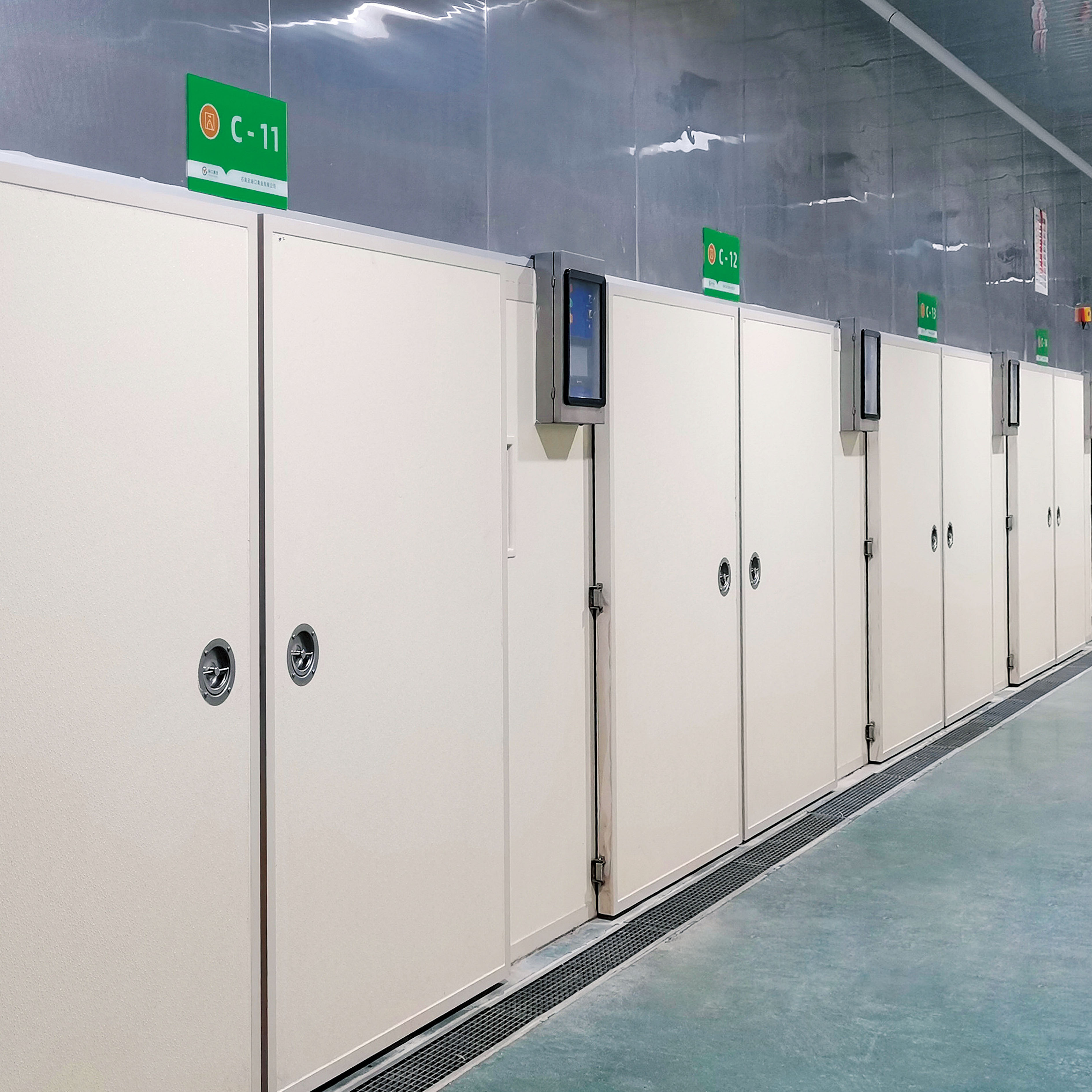
Large-scale hatchery operations benefit from multi-zone environmental control systems that can manage different incubation stages simultaneously within the same facility. These systems recognize that eggs at various developmental phases require different environmental conditions for optimal development. Advanced zoning capabilities allow operators to maintain multiple climate profiles within a single hatchery, maximizing facility utilization while ensuring each batch receives appropriate care.
Gradient management technology creates smooth transitions between different environmental zones, preventing sudden changes that could shock developing embryos. This sophisticated approach to environmental control minimizes stress-related mortality while optimizing space utilization within hatchery facilities. The ability to customize environmental parameters for different species or breeding lines further enhances operational flexibility and success rates.
Energy Efficiency and Sustainability
Modern environmental control systems incorporate energy-efficient technologies that reduce operational costs while maintaining precise incubation conditions. Variable-speed fans, intelligent heating elements, and heat recovery systems optimize energy consumption without compromising performance. These efficiency improvements contribute to sustainable hatchery operations that balance economic viability with environmental responsibility.
Smart scheduling algorithms optimize equipment operation to minimize energy waste during periods of reduced activity while ensuring rapid response when conditions require adjustment. This intelligent energy management reduces operational costs significantly while maintaining the consistent environmental conditions essential for successful incubation outcomes. The integration of renewable energy sources with modern control systems further enhances sustainability while reducing dependence on traditional power sources.
Quality Assurance Through Technology
Predictive Maintenance Systems
Predictive maintenance technology monitors equipment performance to identify potential failures before they occur, preventing unexpected disruptions that could compromise incubation success. These systems analyze vibration patterns, temperature variations, and operational efficiency metrics to predict when components require attention. Proactive maintenance scheduling minimizes downtime while ensuring equipment operates at peak performance throughout critical incubation periods.
Machine learning algorithms continuously improve predictive accuracy by analyzing historical maintenance data and correlating equipment performance with environmental conditions. This intelligent approach to maintenance management reduces the risk of equipment failures that could result in catastrophic losses during incubation cycles. Regular maintenance alerts ensure that preventive actions are taken before problems impact hatchery operations.
Traceability and Documentation
Comprehensive record-keeping systems maintain detailed documentation of every aspect of the incubation process, from initial egg placement through final hatch results. This traceability enables operators to identify factors that contribute to successful outcomes while pinpointing areas requiring improvement. Detailed batch records facilitate quality analysis and provide valuable insights for optimizing future incubation cycles.
Automated documentation eliminates human error in record-keeping while ensuring compliance with industry regulations and quality standards. These systems generate comprehensive reports that support certification processes and provide evidence of proper procedures for regulatory inspections. The ability to track performance metrics over time enables continuous improvement initiatives that drive operational excellence.
Integration with Production Management
Workflow Optimization
Advanced hatchery management systems integrate incubation monitoring with broader production planning processes to optimize overall operational efficiency. These systems coordinate egg collection schedules, incubation timing, and hatching projections to ensure smooth workflow throughout production cycles. Integrated planning reduces bottlenecks while maximizing facility utilization and labor efficiency.
Real-time production tracking enables operators to adjust schedules dynamically based on actual performance rather than theoretical projections. This flexibility allows hatcheries to respond quickly to changing market demands while maintaining quality standards. The integration of monitoring data with production planning systems creates a comprehensive management platform that optimizes every aspect of hatchery operations.
Supply Chain Coordination
Modern monitoring systems provide accurate forecasting capabilities that enable better coordination with upstream suppliers and downstream customers. Precise hatch timing predictions allow for optimized transportation scheduling and reduce the stress associated with extended holding periods. This coordination improves overall supply chain efficiency while maintaining chick quality and reducing mortality during transport.
Inventory management integration ensures that necessary supplies are available when needed while minimizing waste from expired materials. Automated ordering systems can trigger supply requests based on projected needs derived from monitoring data and production schedules. This proactive approach to supply management reduces operational disruptions while controlling costs.
FAQ
What are the most important parameters to monitor in a hatchery environment
The critical parameters include temperature control within 0.1°C accuracy, relative humidity management between 55-65% initially and 70-80% during hatching, proper ventilation rates to maintain oxygen levels above 21%, and carbon dioxide concentrations below 0.3%. Additionally, monitoring air pressure differentials, vibration levels, and power quality ensures comprehensive environmental control that minimizes mortality risks throughout the incubation period.
How does automated monitoring reduce labor costs in hatchery operations
Automated systems eliminate the need for constant manual checking of environmental conditions, reducing labor requirements by up to 40% while improving accuracy and consistency. Remote monitoring capabilities allow single operators to oversee multiple facilities simultaneously, while predictive alerts enable proactive maintenance scheduling that reduces emergency repair costs. The integration of automated record-keeping further reduces administrative workload while ensuring compliance with quality standards.
What return on investment can be expected from advanced hatchery monitoring systems
Most hatcheries report ROI within 12-18 months through improved hatch rates, reduced mortality, and lower operational costs. Typical improvements include 2-5% increases in hatchability, 15-25% reduction in energy consumption, and significant decreases in labor costs. The prevention of single catastrophic events, such as equipment failures or environmental deviations, often justifies the entire system investment by avoiding losses that could reach hundreds of thousands of dollars.
How do modern monitoring systems ensure biosecurity in hatchery operations
Advanced systems incorporate multiple biosecurity features including controlled access monitoring, environmental sterilization tracking, and contamination detection capabilities. Air filtration monitoring ensures proper function of HEPA filtration systems, while automated cleaning cycle verification documents sanitation procedures. Integration with facility security systems provides comprehensive protection against both biological and physical threats that could compromise hatchery operations and bird health.
Modern poultry production faces unprecedented challenges in maintaining healthy hatch rates while reducing operational costs. Commercial hatcheries worldwide struggle with mortality rates that can significantly impact profitability and sustainability. Advanced monitoring technologies have emerged as game-changing solutions that enable operators to maintain optimal incubation conditions, detect potential issues early, and implement corrective measures before problems escalate. The integration of sophisticated control systems transforms traditional hatchery operations into precision-managed environments where every parameter is carefully monitored and adjusted for maximum efficiency.
Understanding the Impact of Technology on Hatchery Performance
Critical Parameters in Successful Incubation
Temperature regulation stands as the most crucial factor affecting embryonic development and overall hatch success rates. Even minor fluctuations can lead to developmental abnormalities, delayed hatching, or complete embryonic mortality. Advanced temperature control systems maintain precise thermal environments throughout the entire incubation period, ensuring consistent conditions that promote healthy development. These systems utilize multiple sensors strategically placed throughout incubation chambers to provide real-time feedback and automatic adjustments.
Humidity management presents another critical challenge that directly influences shell quality, embryonic positioning, and successful emergence during hatching. Traditional manual monitoring methods often result in inconsistent humidity levels that compromise hatch rates and chick quality. Modern humidity control systems integrate sophisticated sensors with automated adjustment mechanisms, maintaining optimal moisture levels throughout different developmental stages. This precision control significantly reduces the risk of dehydration or excessive moisture conditions that can prove fatal to developing embryos.
Ventilation and Air Quality Management
Proper air circulation ensures adequate oxygen supply while removing harmful gases that accumulate during incubation processes. Carbon dioxide buildup can severely impact embryonic development, leading to increased mortality rates and compromised chick vitality. Advanced ventilation systems incorporate intelligent airflow management that adapts to changing conditions throughout the incubation cycle. These systems monitor air quality parameters continuously and adjust ventilation rates accordingly to maintain optimal atmospheric conditions.
Air filtration technology has evolved to address contamination risks that threaten hatchery biosecurity and embryonic health. High-efficiency particulate air filters combined with UV sterilization systems create sterile environments that minimize disease transmission risks. This comprehensive approach to air quality management reduces mortality rates associated with bacterial and viral infections that can devastate entire batches of eggs during incubation.
Automated Monitoring Systems and Their Benefits
Real-Time Data Collection and Analysis
Modern hatchery monitoring system capabilities extend far beyond basic parameter tracking to provide comprehensive operational insights. These systems collect thousands of data points hourly, creating detailed profiles of incubation conditions that enable operators to identify trends and potential issues before they impact hatch rates. Advanced analytics algorithms process this information to generate predictive alerts and recommendations for optimal performance.
Data visualization tools transform complex monitoring information into easily interpretable formats that facilitate quick decision-making. Operators can access historical trends, compare performance across different batches, and identify patterns that correlate with successful outcomes. This analytical capability enables continuous improvement in hatchery operations through data-driven optimization strategies that maximize efficiency while minimizing mortality rates.
Remote Monitoring and Alert Systems
Remote monitoring capabilities allow operators to maintain oversight of critical incubation parameters even when physically absent from hatchery facilities. Mobile applications and web-based interfaces provide real-time access to system status, enabling rapid response to emerging issues regardless of location. This connectivity ensures that potential problems are addressed immediately, preventing minor deviations from escalating into significant mortality events.
Intelligent alert systems utilize customizable thresholds to notify operators of conditions that require immediate attention. These systems can differentiate between minor fluctuations and serious deviations, reducing false alarms while ensuring critical issues receive prompt responses. Multi-channel notification systems including email, text messaging, and mobile app alerts ensure operators remain informed of system status at all times.
Environmental Control Integration
Multi-Zone Climate Management
Large-scale hatchery operations benefit from multi-zone environmental control systems that can manage different incubation stages simultaneously within the same facility. These systems recognize that eggs at various developmental phases require different environmental conditions for optimal development. Advanced zoning capabilities allow operators to maintain multiple climate profiles within a single hatchery, maximizing facility utilization while ensuring each batch receives appropriate care.
Gradient management technology creates smooth transitions between different environmental zones, preventing sudden changes that could shock developing embryos. This sophisticated approach to environmental control minimizes stress-related mortality while optimizing space utilization within hatchery facilities. The ability to customize environmental parameters for different species or breeding lines further enhances operational flexibility and success rates.
Energy Efficiency and Sustainability
Modern environmental control systems incorporate energy-efficient technologies that reduce operational costs while maintaining precise incubation conditions. Variable-speed fans, intelligent heating elements, and heat recovery systems optimize energy consumption without compromising performance. These efficiency improvements contribute to sustainable hatchery operations that balance economic viability with environmental responsibility.
Smart scheduling algorithms optimize equipment operation to minimize energy waste during periods of reduced activity while ensuring rapid response when conditions require adjustment. This intelligent energy management reduces operational costs significantly while maintaining the consistent environmental conditions essential for successful incubation outcomes. The integration of renewable energy sources with modern control systems further enhances sustainability while reducing dependence on traditional power sources.
Quality Assurance Through Technology
Predictive Maintenance Systems
Predictive maintenance technology monitors equipment performance to identify potential failures before they occur, preventing unexpected disruptions that could compromise incubation success. These systems analyze vibration patterns, temperature variations, and operational efficiency metrics to predict when components require attention. Proactive maintenance scheduling minimizes downtime while ensuring equipment operates at peak performance throughout critical incubation periods.
Machine learning algorithms continuously improve predictive accuracy by analyzing historical maintenance data and correlating equipment performance with environmental conditions. This intelligent approach to maintenance management reduces the risk of equipment failures that could result in catastrophic losses during incubation cycles. Regular maintenance alerts ensure that preventive actions are taken before problems impact hatchery operations.
Traceability and Documentation
Comprehensive record-keeping systems maintain detailed documentation of every aspect of the incubation process, from initial egg placement through final hatch results. This traceability enables operators to identify factors that contribute to successful outcomes while pinpointing areas requiring improvement. Detailed batch records facilitate quality analysis and provide valuable insights for optimizing future incubation cycles.
Automated documentation eliminates human error in record-keeping while ensuring compliance with industry regulations and quality standards. These systems generate comprehensive reports that support certification processes and provide evidence of proper procedures for regulatory inspections. The ability to track performance metrics over time enables continuous improvement initiatives that drive operational excellence.
Integration with Production Management
Workflow Optimization
Advanced hatchery management systems integrate incubation monitoring with broader production planning processes to optimize overall operational efficiency. These systems coordinate egg collection schedules, incubation timing, and hatching projections to ensure smooth workflow throughout production cycles. Integrated planning reduces bottlenecks while maximizing facility utilization and labor efficiency.
Real-time production tracking enables operators to adjust schedules dynamically based on actual performance rather than theoretical projections. This flexibility allows hatcheries to respond quickly to changing market demands while maintaining quality standards. The integration of monitoring data with production planning systems creates a comprehensive management platform that optimizes every aspect of hatchery operations.
Supply Chain Coordination
Modern monitoring systems provide accurate forecasting capabilities that enable better coordination with upstream suppliers and downstream customers. Precise hatch timing predictions allow for optimized transportation scheduling and reduce the stress associated with extended holding periods. This coordination improves overall supply chain efficiency while maintaining chick quality and reducing mortality during transport.
Inventory management integration ensures that necessary supplies are available when needed while minimizing waste from expired materials. Automated ordering systems can trigger supply requests based on projected needs derived from monitoring data and production schedules. This proactive approach to supply management reduces operational disruptions while controlling costs.
FAQ
What are the most important parameters to monitor in a hatchery environment
The critical parameters include temperature control within 0.1°C accuracy, relative humidity management between 55-65% initially and 70-80% during hatching, proper ventilation rates to maintain oxygen levels above 21%, and carbon dioxide concentrations below 0.3%. Additionally, monitoring air pressure differentials, vibration levels, and power quality ensures comprehensive environmental control that minimizes mortality risks throughout the incubation period.
How does automated monitoring reduce labor costs in hatchery operations
Automated systems eliminate the need for constant manual checking of environmental conditions, reducing labor requirements by up to 40% while improving accuracy and consistency. Remote monitoring capabilities allow single operators to oversee multiple facilities simultaneously, while predictive alerts enable proactive maintenance scheduling that reduces emergency repair costs. The integration of automated record-keeping further reduces administrative workload while ensuring compliance with quality standards.
What return on investment can be expected from advanced hatchery monitoring systems
Most hatcheries report ROI within 12-18 months through improved hatch rates, reduced mortality, and lower operational costs. Typical improvements include 2-5% increases in hatchability, 15-25% reduction in energy consumption, and significant decreases in labor costs. The prevention of single catastrophic events, such as equipment failures or environmental deviations, often justifies the entire system investment by avoiding losses that could reach hundreds of thousands of dollars.
How do modern monitoring systems ensure biosecurity in hatchery operations
Advanced systems incorporate multiple biosecurity features including controlled access monitoring, environmental sterilization tracking, and contamination detection capabilities. Air filtration monitoring ensures proper function of HEPA filtration systems, while automated cleaning cycle verification documents sanitation procedures. Integration with facility security systems provides comprehensive protection against both biological and physical threats that could compromise hatchery operations and bird health.